Juneteenth and the long work of Black queer liberation
When June 19, 1865, and ever sinceFrom Galveston to the South CoastHeld for the museum's first Juneteenth
This exhibit tells the history of slavery and emancipation alongside the history of Black queer and transgender life. It describes racist and anti-LGBTQ+ violence, sexual violence, and the deaths of named people. Much of the nineteenth-century record was written by people hostile to its subjects. Please take it at your own pace.
If you need support right now: call or text 988, the Suicide and Crisis Lifeline, or reach The Trevor Project.
Chapter 0
Before you enter
This is a history of two freedoms that meet in June. The first is Juneteenth, the day in 1865 when the end of slavery finally reached the people it had been promised to. The second is the long, unfinished freedom of Black lesbian, gay, bisexual, transgender, and queer Americans, whose lives entered the written record only after emancipation made such lives possible to live in the open, and possible to write down.
We want to be clear at the door about three things.
Juneteenth and Pride do not share a root. Juneteenth grows from emancipation in 1865. Pride grows from the Stonewall uprising in 1969. They share a month, not a beginning, and they share a people who have had to win the same freedoms more than once.
The people in these rooms did not use the words we use now. When a woman in Memphis in 1866 lived as a woman, the record calls her many cruel things, and the word transgender did not yet exist. We apply such words carefully, the way scholars do, while telling you exactly what the documents say.
Much of this history was written by people who hated its subjects. Police blotters and tabloid engravings are most of what survives of the nineteenth century. We have tried to read those hostile sources for the truth they accidentally preserve, and to say plainly where the record goes silent.
How we tell this story
Every load-bearing claim here is tagged for confidence and tied to a source. Where the record genuinely conflicts, we say so and we keep the hedge. Where a beloved story is folklore, we name it gently, without taking anything from the people involved. Where no image of a person survives, we show you no face, and we never invent one.
Content note
What follows includes slavery and emancipation, racist and anti-LGBTQ+ violence, sexual violence, and the deaths of named transgender people. We do not dwell on the violence for its own sake, and we keep the focus on the people and their lives. Support resources are gathered on the final page.
Chapter I
The day freedom arrived
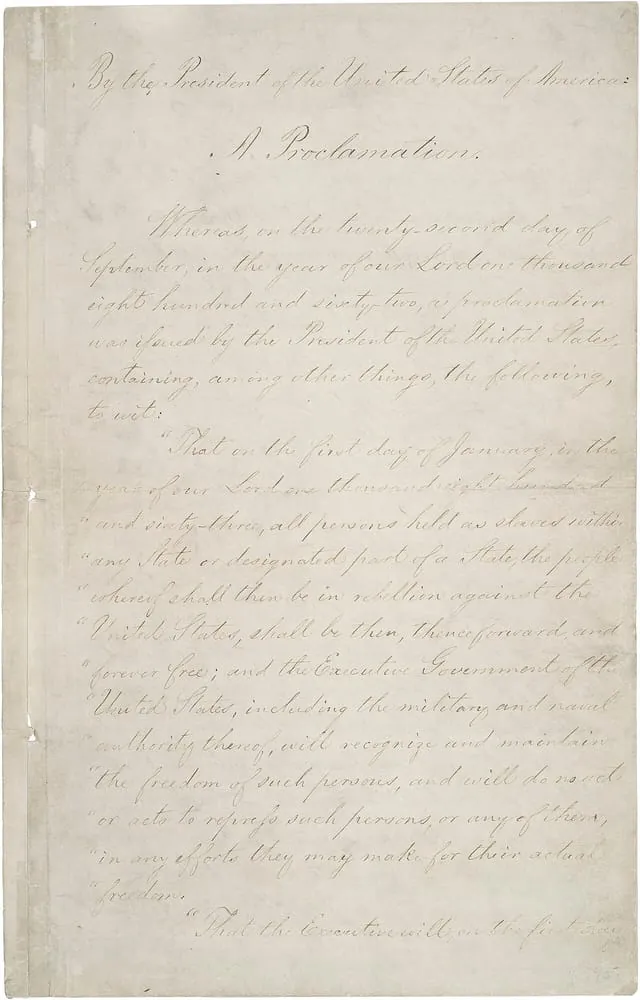
On January 1, 1863, the Emancipation Proclamation declared that enslaved people in the rebelling states are, and henceforward shall be free. The words were law, but a law reaches only as far as the army that enforces it, and in Texas the army had not yet come. For two and a half years, people who were free on paper remained enslaved in fact.
The Emancipation Proclamation, page one.
Emancipation Proclamation · January 1, 1863
"...all persons held as slaves within said designated States, and parts of States, are, and henceforward shall be free."
Freedom declared on paper, two and a half years before it reached Texas. The familiar words "thenceforward, and forever free" belong to the preliminary proclamation of September 22, 1862, not this final order. Public domain. The U.S. National Archives.
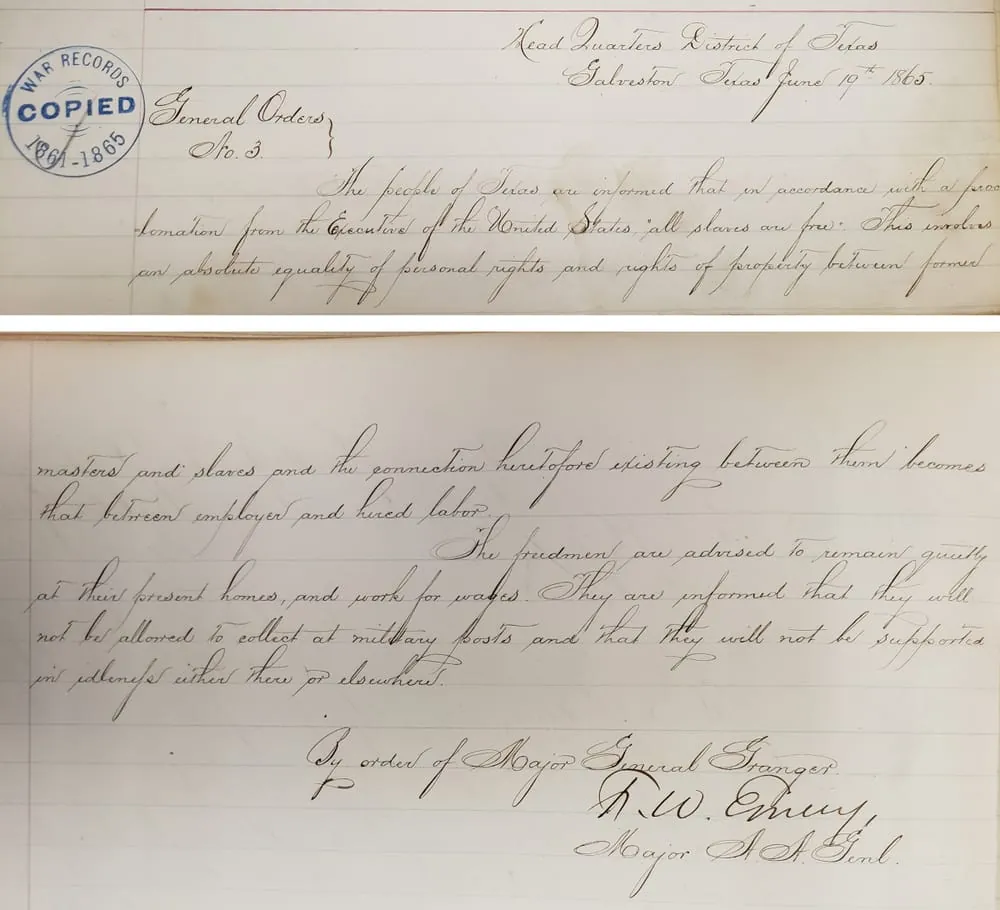
Then, on June 19, 1865, Major General Gordon Granger arrived in Galveston and issued General Order No. 3: the people of Texas are informed that all slaves are free. That day is Juneteenth, and it is the gap it closed, the two and a half years between the promise and its arrival, that gives this exhibit its name.
Feel the wait
January 1, 1863
Day 0. Freedom is declared.
Jan 1, 1863June 19, 1865
In Texas, still enslaved.
On January 1, 1863, the Emancipation Proclamation takes effect. In Texas, beyond the reach of the Union Army, it changes nothing yet.
General Order No. 3, in the Army's own hand.
General Order No. 3 · Galveston, June 19, 1865
"The people of Texas are informed that, in accordance with a proclamation from the Executive of the United States, all slaves are free. This involves an absolute equality of personal rights and rights of property between former masters and slaves, and the connection heretofore existing between them becomes that between employer and hired labor. The freedmen are advised to remain quietly at their present homes and work for wages."
The order Juneteenth commemorates. Notice that freedom arrived hedged with instructions from the people who had held them. Public domain. National Archives, RG 393, Part II, Entry 5543; scan via Wikimedia Commons.
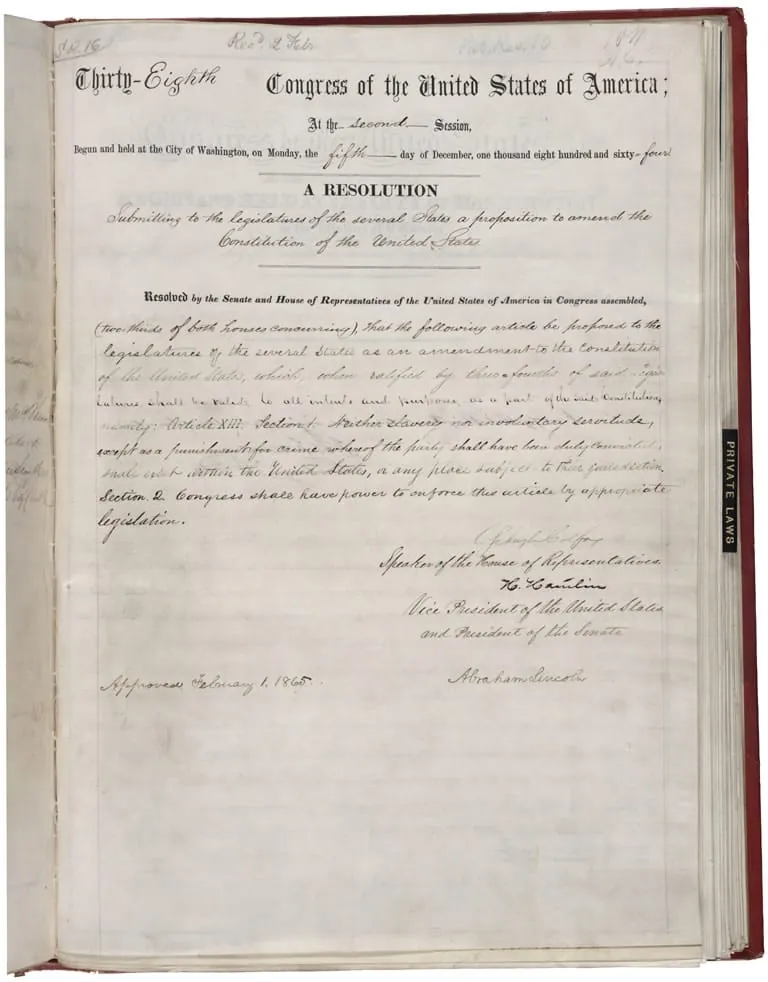
The freedom was real and it was incomplete. Slavery was not formally abolished everywhere in the United States until the Thirteenth Amendment was ratified on December 6, 1865. And that amendment carried its own shadow, an exception we will return to in these rooms more than once.
The joint resolution proposing the amendment, 1865.
Thirteenth Amendment · ratified December 6, 1865
"Neither slavery nor involuntary servitude, except as a punishment for crime whereof the party shall have been duly convicted, shall exist within the United States, or any place subject to their jurisdiction."
The constitutional end of slavery, carrying within it an exception for the convicted. That clause kept a door to unfreedom open, and you will meet it again in this exhibit, in a Memphis chain gang and in a cell at Rikers Island. Public domain. National Archives, NAID 1408764.
In 2021, Juneteenth became the twelfth federal holiday, the first new one since Martin Luther King Jr. Day in 1983. It was signed into law on June 17, 2021. Verified the dates of the Proclamation, General Order No. 3, the Thirteenth Amendment, and the 2021 holiday. Corroborated the two-and-a-half-year gap as the standard account.
The arc you will walk
This exhibit moves from emancipation outward, room by room. Select any moment to jump to its chapter.
June 2, 1863The Combahee River RaidHarriet Tubman helps guide a raid that frees more than 750 enslaved people.Go to Chapter VII →
June 19, 1865JuneteenthGeneral Order No. 3 reaches Galveston; the Thirteenth Amendment is ratified that December.You are here
1866 & 1876Frances ThompsonA formerly enslaved woman testifies to Congress, then is punished for her life.Go to Chapter IV →
1888The queen, William Dorsey SwannPolice raid the drag balls of a formerly enslaved man in Washington.Go to Chapter III →
1920s to 1937Harlem and the Hamilton LodgeOne generation after slavery, Black queer life sings out loud.Go to Chapter V →
1963 to 1977The architects, and CombaheeBayard Rustin, Pauli Murray, and a Black lesbian collective name the whole argument.Go to Chapter VIII →
1991 to 2021The freedom still being finishedFrom the first Black Pride to the march for Black trans lives to the federal holiday.Go to Chapter IX →
Sources: National Archives (General Order No. 3; Emancipation Proclamation; Thirteenth Amendment joint resolution, NAID 1408764); Public Law 117-17 (2021). Full citations are held in the museum's research record.
Chapter II
New Bedford, a freedom city
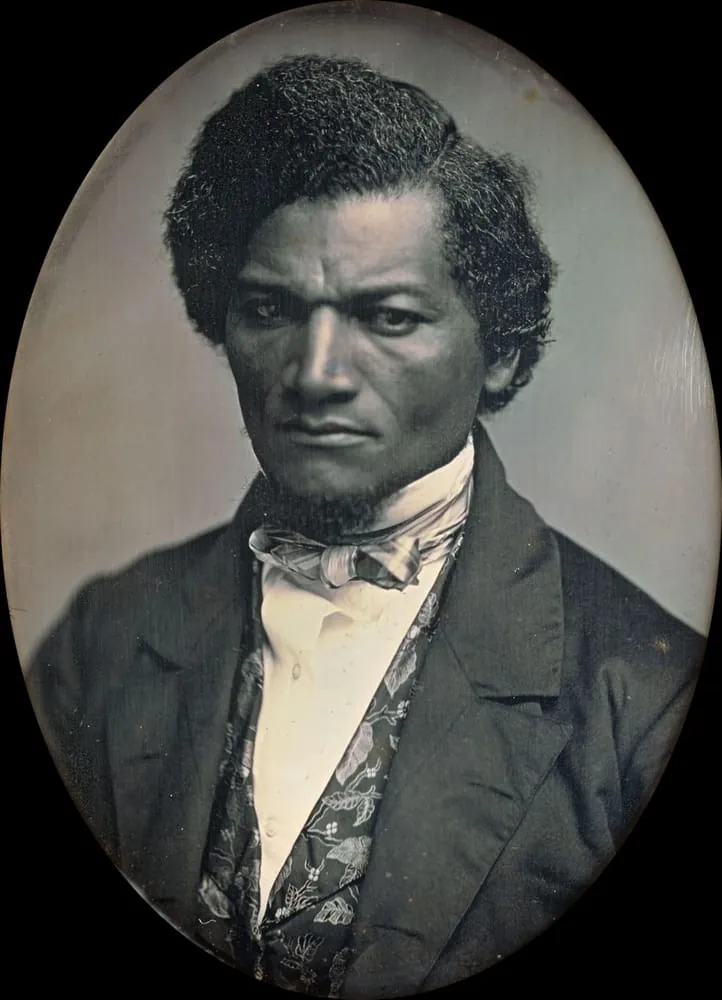
Frederick Douglass, daguerreotype by Samuel J. Miller, about 1847 to 1852, around age 29 to 34. No image of Douglass from his New Bedford years survives. Public domain, Art Institute of Chicago.
This museum sits on the South Coast, and so does a real chapter of the freedom story. New Bedford was one of the most important destinations on the Underground Railroad in the North. By the 1840s the city was home to an estimated 300 to 700 people who had escaped slavery, drawn by the whaling economy and a large free Black community in the district remembered today as Abolition Row.
In September 1838, a young man who had just escaped slavery in Maryland arrived here and began his first life in freedom. Nathan Johnson, a free Black abolitionist, sheltered him and his wife Anna and gave him the surname the world would come to know: Douglass. Frederick Douglass lived in New Bedford from 1838 to 1841. The Nathan and Polly Johnson House at 21 Seventh Street still stands. It was listed on the National Register in 1976 and designated a National Historic Landmark in 2000, and it is now the headquarters of the New Bedford Historical Society.
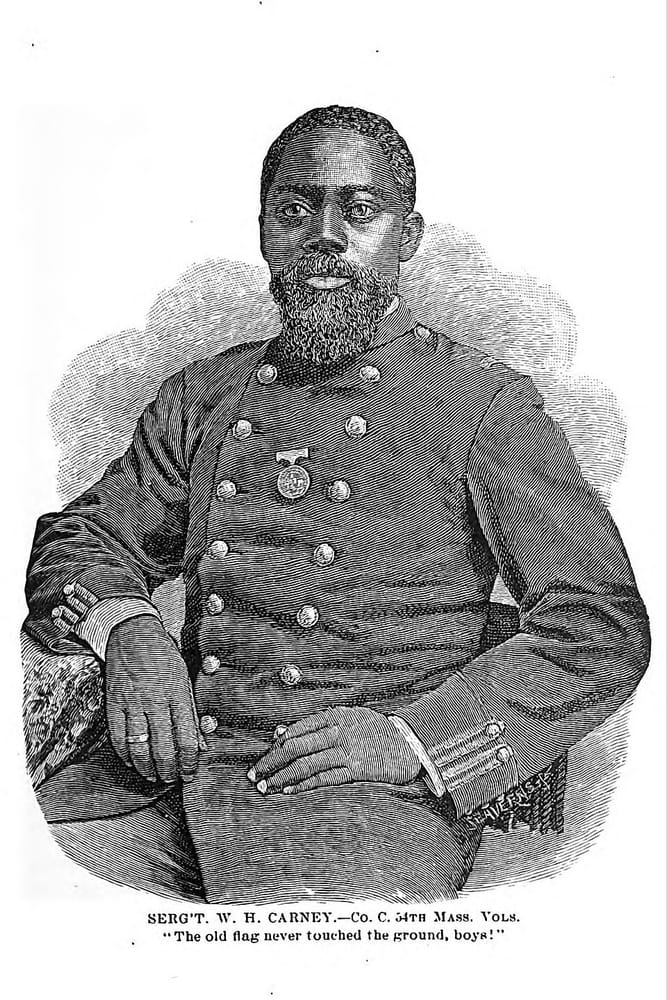
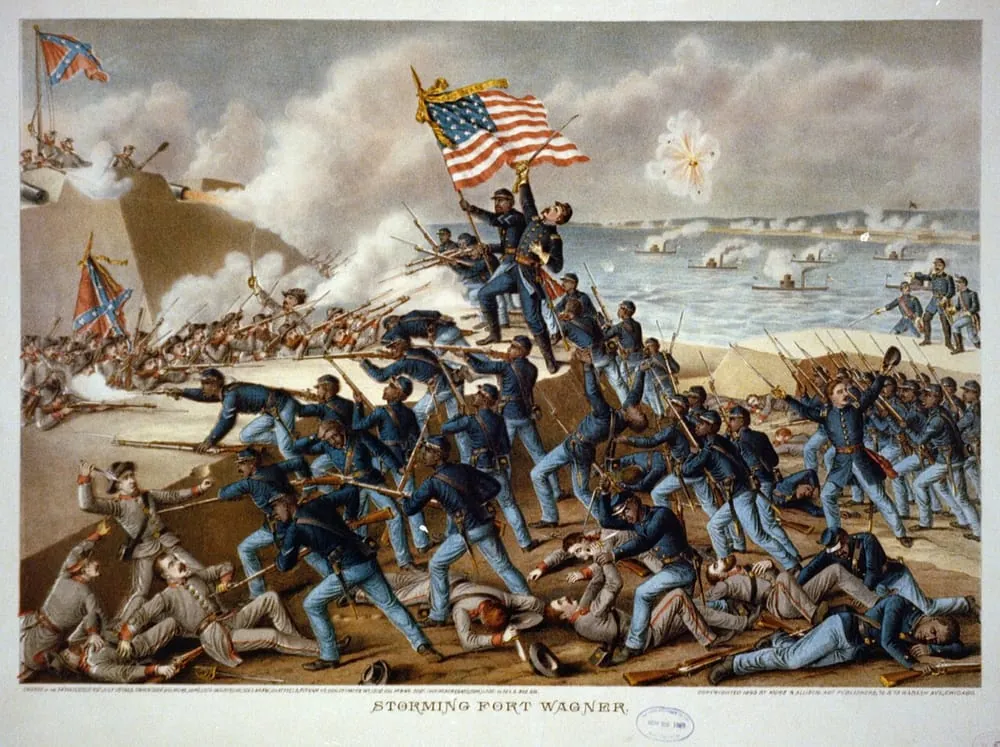
The city sent its sons to fight for the freedom of others. Sergeant William H. Carney of New Bedford, of the 54th Massachusetts, carried the flag up the parapet at Fort Wagner on July 18, 1863, and kept it from touching the ground though he was shot more than once. His was the first action by a Black soldier to be recognized with the Medal of Honor, though he was not the first Black man to receive one. The medal was issued in 1900, under President McKinley.
Sgt. William H. Carney, 54th Massachusetts. From The Black Phalanx, 1888. Public domain.The Storming of Fort Wagner, a romanticized commemorative print by Kurz & Allison, 1890. Public domain, Library of Congress.
New Bedford's standing as a freedom city rested on its harbor. By 1848 roughly one in six whaling crew members was Black, and more than three thousand African Americans served on New Bedford whalers between 1803 and 1860, a few of them rising to captain. The work was relatively open but never equal: Douglass, newly arrived, at first earned about half a white worker's wage on the docks. Corroborated
Verified the Douglass dates, the Johnson House designations, the freedom-seeker estimate, and Carney's first Medal-of-Honor action under McKinley.
Elsewhere in this museum
The South Coast's own LGBTQ+ story lives in nearby exhibits: Puzzles, 2006, the attack on a New Bedford gay bar; 20 Kenyon Street, forty years of a safe place; AIDS on the South Coast; and the Pulse memorial. We return, in the final room, to a freedom this region has not yet finished recording.
One point on a wider map
New Bedford is where this exhibit stands, but the freedom it traces is national. Here is the geography of these rooms, from the river Harriet Tubman crossed to the plaza where fifteen thousand stood for Black trans lives. Select a place to read what happened there, and to open its chapter.
Emancipation People & culture Movement
A map is a claim about where to look. These nine points are the verified places this exhibit can document; the silences between them are real, and some belong to lives never written down.
A man born into slavery crowned himself a queen, and then went to court for the right to gather.
William Dorsey Swann was born into slavery in or near Hancock, Washington County, Maryland. Older accounts estimated his birth around 1858. Research by the historian Channing Gerard Joseph, drawing on Catholic baptismal records, gives the date as November 4, 1860. By the 1880s he was in Washington, where he organized what Joseph and the Smithsonian describe as the first documented drag balls in American history: private gatherings of Black men, many of them formerly enslaved, who danced, competed, and crowned a queen of the ball.
The press took notice. Reporting a raid in April 1888, the Washington Critic referred to Swann as "the queen." The fuller phrase often attached to him, queen of drag, comes from Joseph's scholarship rather than from that newspaper, and we keep the two apart. He was raided and arrested more than once. In January 1887 police broke up one of his dances. On April 12, 1888, at a ball Swann hosted, police arrested him in a gorgeous dress of cream-colored satin, along with twelve other Black men. In 1896 he was convicted of keeping a disorderly house, and he petitioned President Grover Cleveland for a pardon. Cleveland denied it on July 29, 1896.
The historian Channing Gerard Joseph argues that Swann was the first American on record to pursue legal and political action to defend the LGBTQ+ community's right to gather. We carry that claim as Joseph makes it, attributed to him and kept to what the record holds, because it rests on his reading of the 1888 resistance and the 1896 petition, and because it deserves to be both honored and attributed.
No likeness survives
"queen"
No known photograph or portrait of William Dorsey Swann survives. We will not show you a face we cannot prove. What survives is his own word for himself, his pardon record in the government's own hand, and the newspaper that called him the queen.
Verified the 1888 arrest, the 1896 pardon denial (National Archives, Pardon Case File P-532), and that no likeness survives. Corroborated the November 4, 1860 birth date from baptismal records, with 1858 as a superseded older estimate. Attributed the "first on record" claim to the historian Channing Gerard Joseph.
Sources: Smithsonian Magazine; OutHistory and the scholarship of Channing Gerard Joseph (House of Swann); National Archives, RG 204, Pardon Case File P-532, NAID 165128484. Full citations are held in the museum's research record.
Chapter IV
Frances Thompson and the cost of being seen
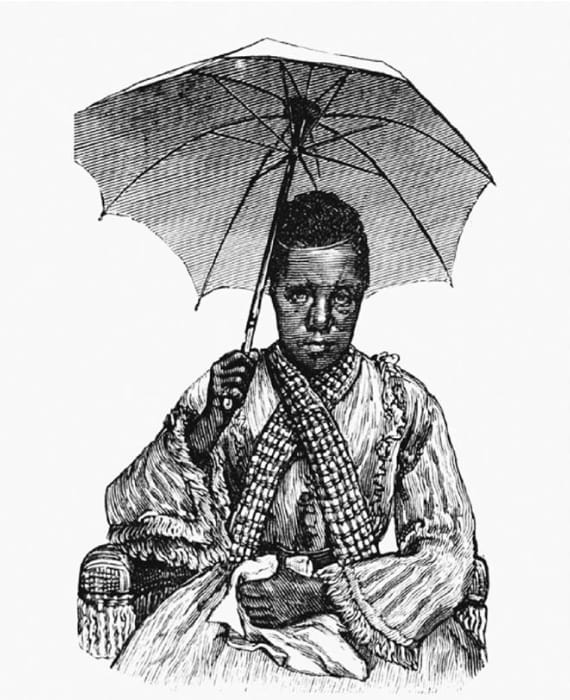
A hostile tabloid engraving of Frances Thompson, The Days' Doings, New York, August 12, 1876. This was made to expose and mock her, not a portrait she chose. Public domain, artist unknown.
Frances Thompson was born enslaved in Alabama around 1840. By 1866 she was a free woman in the Black community of Memphis, earning a living by sewing, washing, and ironing, and she was disabled, walking with crutches because of cancer in her foot. During the Memphis Massacre of May 1 to 3, 1866, white men, several of them police, broke into the home she shared with Lucy Smith and raped both women.
Thompson testified before the United States House Select Committee investigating the massacre, and her account survives in the committee's published report. She was one of about five Black women who testified, turning the violence done to them into a matter of public record and a claim on citizenship. To say so plainly is the point: a formerly enslaved woman stood before Congress and was believed enough to be written down.
Her own words, with a content note
Thompson's full testimony describes a gang rape. We quote only a non-graphic passage about the robbery that followed, so that her voice enters the record here without forcing the reader through the worst of it.
"They took the clothes out of my trunk and took one hundred dollars that I had in greenbacks belonging to me, and two hundred dollars that belonged to a colored woman, that was left with me to keep safe for her."
Frances Thompson, testimony to Congress, 1866
Source: U.S. House of Representatives, Memphis Riots and Massacres, House Report No. 101, 39th Congress, 1st Session (1866), pp. 196 to 197, reproduced in The American Yawp Reader.
Ten years later, the same city that had heard her turned on her. On July 10, 1876, Thompson was arrested under a law against cross-dressing, charged as a man wearing women's clothing. Four physicians examined her and declared her sex to be male. Unable to pay a fine she could not afford, sources give the amount as fifty to fifty-five dollars, she served a sentence of about a hundred days on the chain gang, was released, and moved to North Memphis. She sickened soon after and died of dysentery later in 1876. Sources differ on the exact date of her death.
Her chain gang was not an aside. It was the Thirteenth Amendment's exception, made flesh, involuntary servitude as a punishment for crime, used against a Black woman whose only crime was the life she lived. The same clause we read in the first room runs straight through hers.
Thompson is widely described as the first known transgender woman to testify before the United States Congress. We use that phrase the way careful writers do, as a modern description and not a claim she could have made about herself. The concepts we mean by transgender did not exist in her lifetime. What the record documents is that she lived as a woman for some twenty years, and that the state and the press destroyed her for it. We describe the documented life, and we let the modern word stay a modern word.
Verified her 1866 testimony (House Report No. 101) and the 1876 arrest and forced examination. Corroborated that she served her sentence, was released, and died later in 1876, with sources differing on the fine and the exact date.
Sources: House Report No. 101, 39th Congress (her testimony); BlackPast; The Emancipator. Death date and fine left hedged where sources conflict. Full citations are held in the museum's research record.
Chapter V
Jubilee's children: Harlem
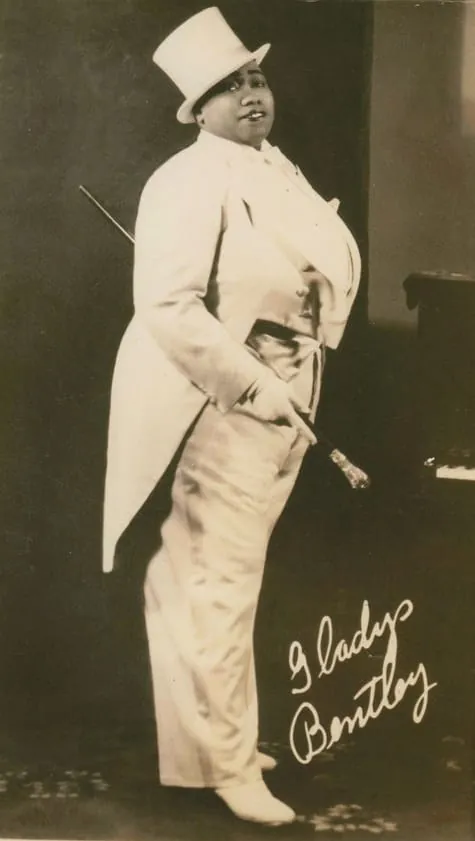
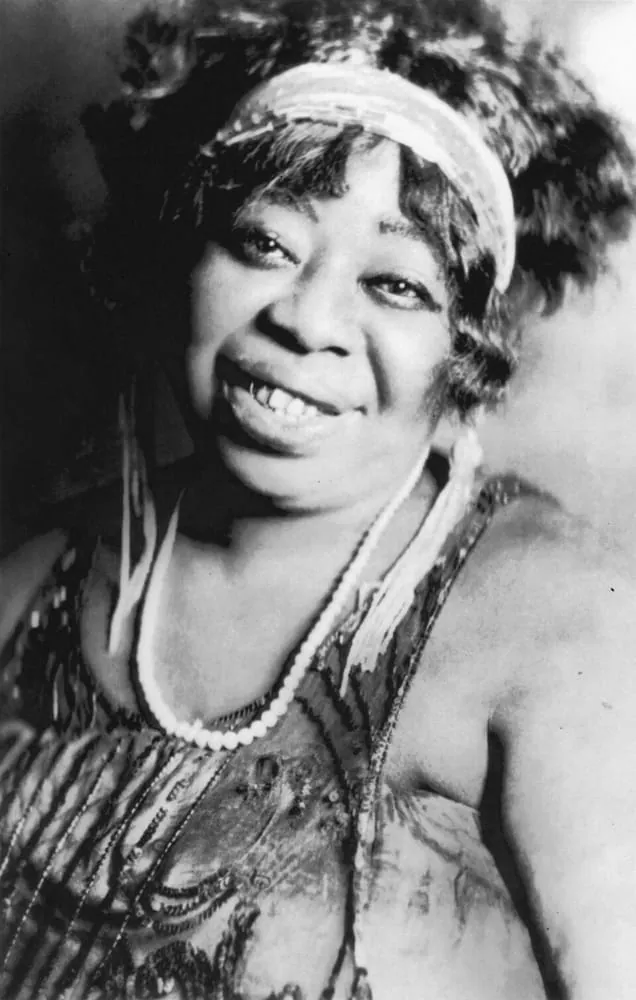
Gladys Bentley, about 1930. Public domain (United States, copyright not renewed), photographer unknown.
The people who filled Harlem's clubs and salons in the 1920s were, many of them, the children and grandchildren of the formerly enslaved. Emancipation was close enough to touch, and the Great Migration had carried its inheritors north. In that compressed, electric decade, Black queer life was, for a moment, loud and documented.
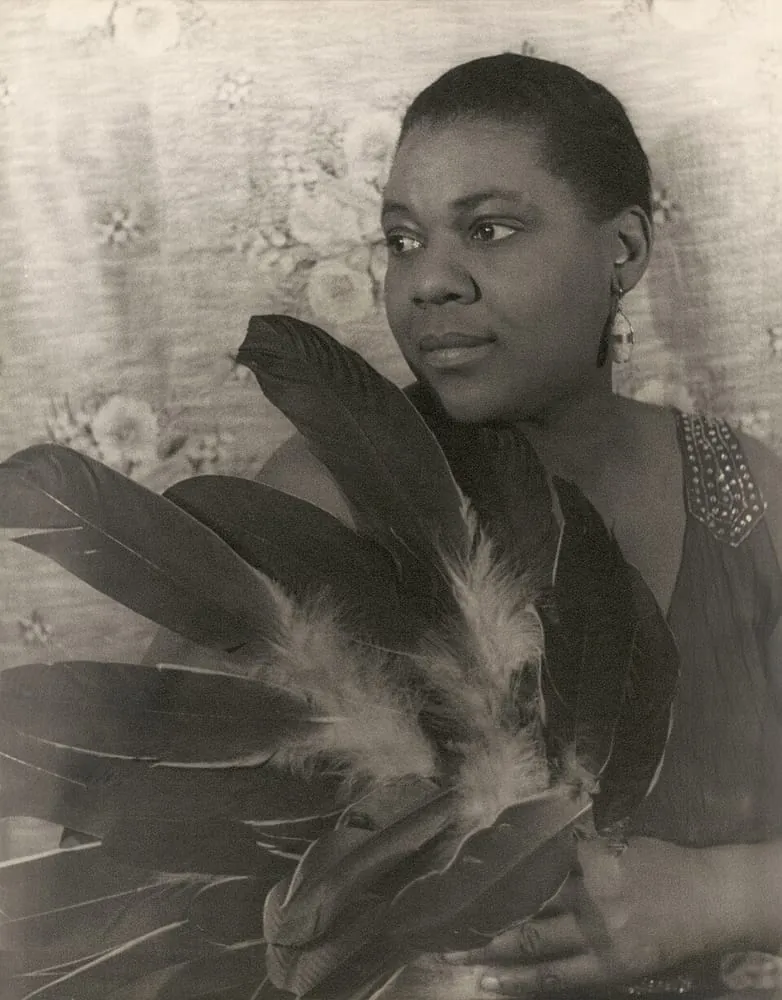
Gladys Bentley performed in a white tuxedo and top hat and was openly known for loving women. In 1952, under the weight of the McCarthy era, she published an article in Ebony titled "I Am a Woman Again," renouncing that life and claiming a hormone cure, a piece scholars read as a survival tactic rather than a true change of heart. Gertrude "Ma" Rainey recorded "Prove It On Me Blues" for Paramount in 1928, with lyrics that openly evoked desire for women: "They must've been women, 'cause I don't like no men." The historian Jonathan Ned Katz called it an assertive song of lesbian self-affirmation. Bessie Smith, the empress of the blues, is documented to have had relationships with women as well as men. Richard Bruce Nugent published "Smoke, Lilies and Jade" in the single 1926 issue of the magazine FIRE!!, widely cited as among the first published works by an African American writer to openly depict same-sex desire.
Gertrude "Ma" Rainey. Public domain (published before 1931), photographer unknown.Bessie Smith, 1936. Photograph by Carl Van Vechten. Public domain, Library of Congress; shown uncropped at the estate's request.
Not every story from Harlem is a queer story, and we will not make one up. Langston Hughes belonged to this world, and his sexuality remains genuinely debated by scholars and is settled by no document. His principal biographer, Arnold Rampersad, found no evidence of a partner and argued Hughes may have been essentially asexual; other scholars contest that reading. Countee Cullen is widely believed by biographers to have had relationships with men, but he never declared an identity publicly. We present both as open questions, and we do not label either man as fact.
What carried emancipation's children to Harlem was the Great Migration. Between 1910 and 1930, roughly 1.3 million Black Southerners moved north and west, and New York's Black population more than doubled in a single decade. That surge concentrated talent, capital, and audiences in a few Harlem blocks, and it is the bridge from the 1865 South to the stages of the 1920s, two stories that rhyme without becoming one. Verified
Verified Bentley's 1952 Ebony renunciation, Rainey's 1928 recording and lyric, and the 1926 publication of Nugent's story. Corroborated that Hughes's and Cullen's identities are debated, not documented.
Sources: Smithsonian; the Digital Transgender Archive; OutHistory (Jonathan Ned Katz); NMAAHC. Full citations are held in the museum's research record.
Chapter VI
The ballroom and its long memory
The drag ball is one of the documented taproots of today's global Black queer ballroom culture, and its institutional history reaches back into the century after emancipation. By the 1920s and early 1930s, Harlem's Hamilton Lodge Ball, held at the Rockland Palace, was one of the largest drag balls in the United States, drawing thousands of dancers and spectators at its peak before its final ball in 1937. The modern house system, the chosen families that compete by walking, is documented to Crystal LaBeija, who with Lottie LaBeija founded the House of LaBeija, generally dated to its first house-hosted ball in 1972, after she protested the racism of white-run drag pageants. Jennie Livingston's documentary "Paris Is Burning" (1990) carried this world of Black and Latino ballroom to a wide audience.
We are careful about one tempting sentence. It would be powerful to say that William Dorsey Swann founded the house system that runs today. The record does not support it, and so we will not.
Documented
Hamilton Lodge Ball (Harlem, 1920s to 1937) to the House of LaBeija (1972) to "Paris Is Burning" (1990): an institutional lineage with a paper trail.
Resemblance
William Dorsey Swann's 1880s balls to the modern houses: chosen family and joy as defiance, which reputable historians frame as inspiration and kinship, not a documented line of succession.
Swann is the earliest documented progenitor of the American drag ball. The named house system is documented to Crystal LaBeija, and the institutional ball tradition to Harlem's Hamilton Lodge. We draw the line exactly where the evidence draws it.
At its height the Hamilton Lodge Ball, held at Harlem's Rockland Palace, drew crowds in the thousands, roughly seven thousand dancers and spectators by 1929, in a racially integrated room. Langston Hughes wrote in The Big Sea that the social leaders of Harlem and downtown took boxes to look down on the floor. The mocking names the ball carried, the "Faggots' Ball" among them, came from the press and the police, not from its organizers, and we keep that distinction. Corroborated
Verified the Hamilton Lodge Ball's scale and 1937 close, and the House of LaBeija around 1972. Contested the direct line from Swann to the modern houses, which the record supports only as resemblance.
A note on what we cannot show
Footage from "The Queen" (1968), "Paris Is Burning" (1990), and Madonna's "Vogue" is under copyright and cannot be shown here without licensing. This chapter is told in words and in cleared period images rather than with film we do not have the rights to use.
Sources: Smithsonian; the ballroom-lineage research dossier; standard histories of the Hamilton Lodge Ball and the House of LaBeija. Full citations are held in the museum's research record.
Chapter VII
Combahee: an emancipation raid becomes a movement's name
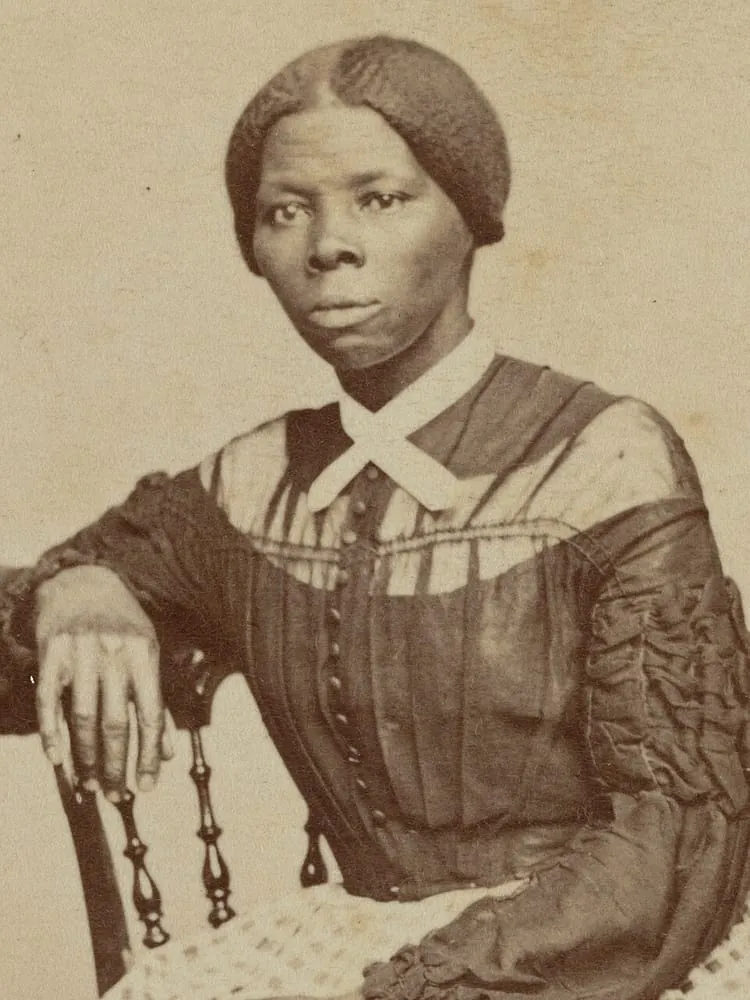
Harriet Tubman, carte-de-visite by Benjamin F. Powelson, 1868 to 1869. Public domain. Collection of the Smithsonian NMAAHC, shared with the Library of Congress.
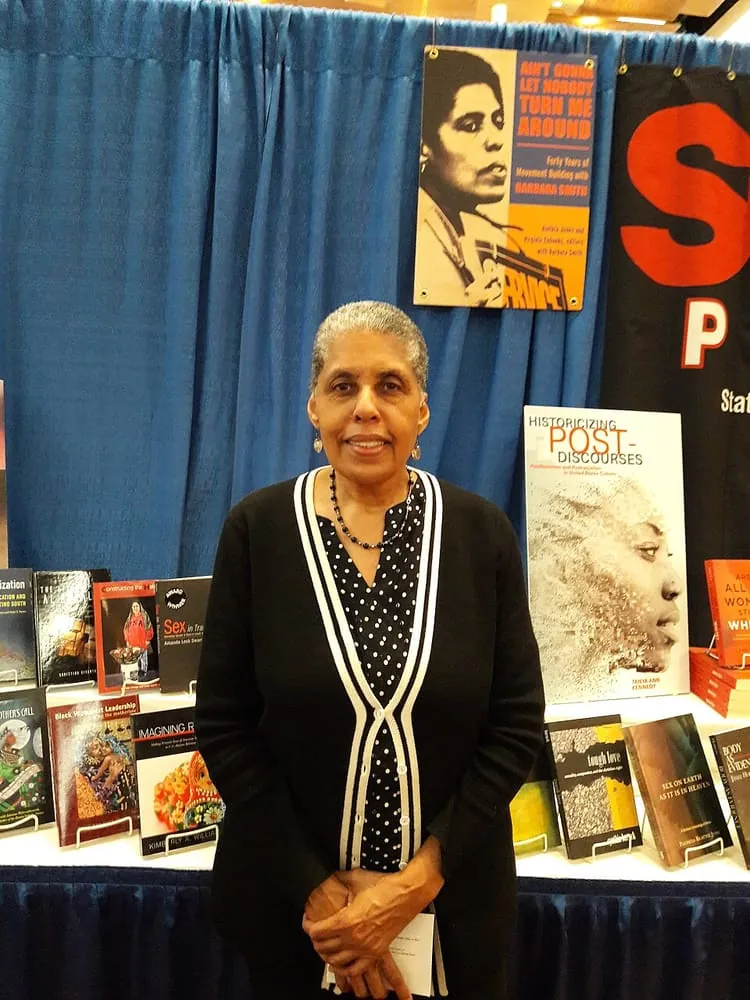
This is the chapter where the exhibit's whole argument becomes a single, documented line. On June 2, 1863, the Combahee River Raid in South Carolina, guided and scouted by Harriet Tubman alongside Colonel James Montgomery's 2nd South Carolina Volunteers, freed more than 750 enslaved people. More than a century later, in 1974, a Black feminist lesbian organization in Boston chose that raid as its namesake. Barbara Smith, who named it, explained that she liked naming it after a political action that freed enslaved people, and that Harriet Tubman was a fighter.
The Combahee River Collective was active from 1974 to 1980. In April 1977 it issued the Combahee River Collective Statement, which argued that the major systems of oppression are interlocking, gave the concept of identity politics its name, and made the claim that runs straight back to the river Tubman crossed.
Barbara Smith, who named the collective, in 2017. Photo by Shalor / Wiki Education, CC BY-SA 4.0. No free photograph of the full collective exists.
The Combahee River Collective Statement · April 1977
"If Black women were free, it would mean that everyone else would have to be free since our freedom would necessitate the destruction of all the systems of oppression."
An emancipation raid became the name of a Black lesbian liberation movement, and that movement's central claim, that freeing the most oppressed frees everyone, is the spine of this whole exhibit.
The Statement said more than the single line on the wall. It argued that "the major systems of oppression are interlocking," that the women of the Collective often could not separate race from class from sex "because in our lives they are most often experienced simultaneously," and that the most radical politics "come directly out of our own identity." That last idea is the origin of the phrase identity politics. Verified
Verified the June 2, 1863 raid freeing more than 750 people (with the figure 756 in recent scholarship), the collective's 1974 to 1980 span, and the 1977 Statement quoted verbatim. Corroborated Barbara Smith's account of choosing the name for Tubman's raid.
Sources: National Park Service and NMAAHC (the Combahee raid; Edda Fields-Black, Combee, 2024); The Nation (Barbara Smith); Teaching American History (the Statement, quoted verbatim). Full citations are held in the museum's research record.
Chapter VIII
The architects
The people who built the movement, and were often written out of its photographs.
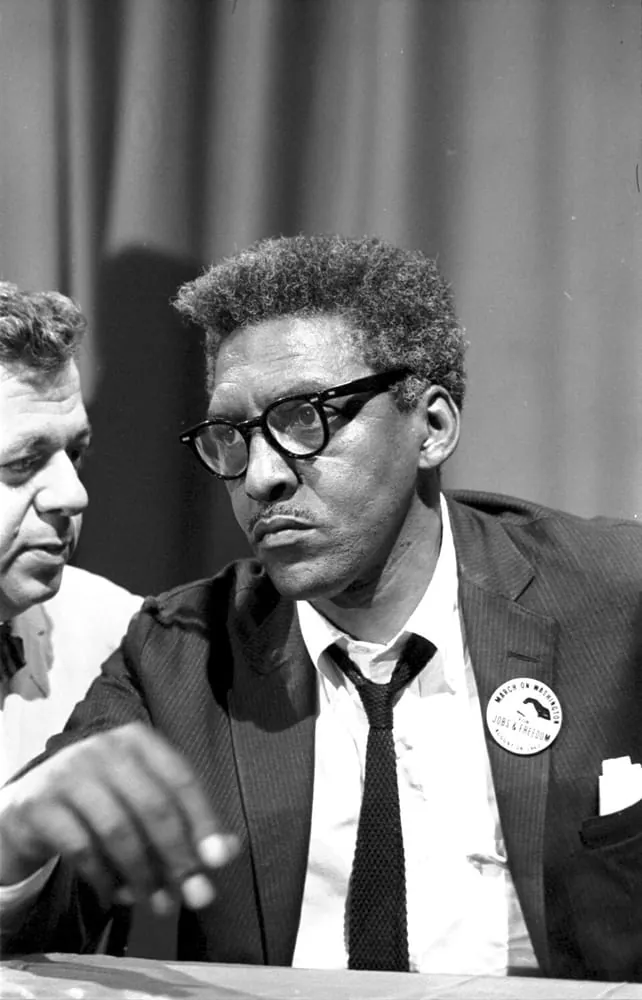
Bayard Rustin organized the 1963 March on Washington, the day Martin Luther King Jr. spoke of his dream. Rustin was openly gay at great cost. He had been arrested on a morals charge in 1953, he was denounced on the floor of the Senate, and he was kept from the march's podium because of who he was. He believed in making good trouble: "We need, in every community," he said, "a group of angelic troublemakers." He received the Presidential Medal of Freedom in 2013 and a posthumous California pardon in 2020.
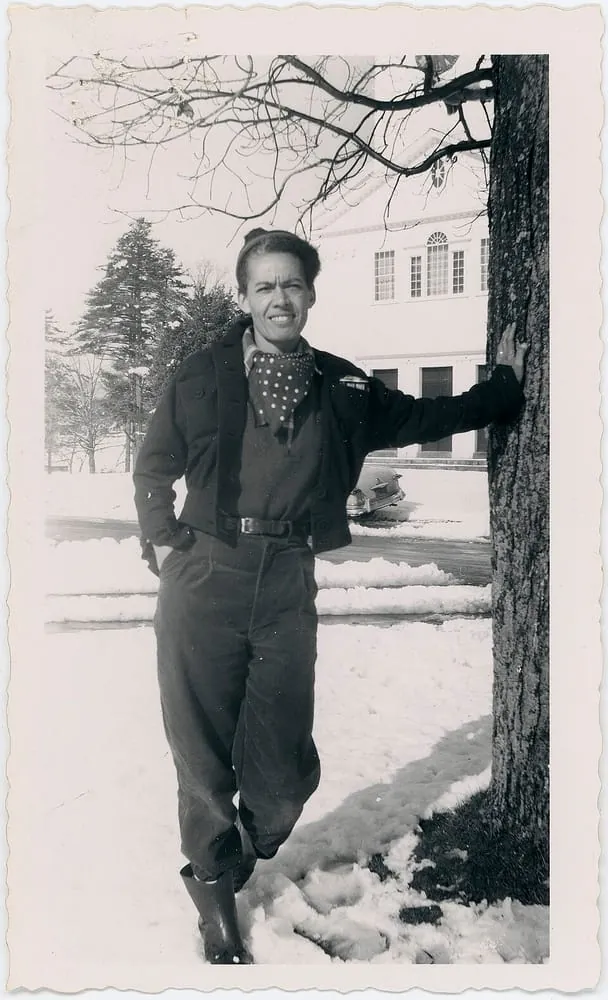
Pauli Murray gave a name to the double bind of being Black and a woman in the law, Jane Crow, and built the arguments others would win with. A 1951 book by Murray became a civil-rights bible for litigators, and Murray's thinking on equal protection helped shape the case, Reed v. Reed, in which Ruth Bader Ginsburg placed Murray's name on the brief. Murray helped found the National Organization for Women in 1966 and, in 1977, became the first Black person perceived as a woman to be ordained an Episcopal priest. On gender, we follow the Pauli Murray Center, which uses no fixed pronoun for Murray and holds that we do not know how Murray would identify today.
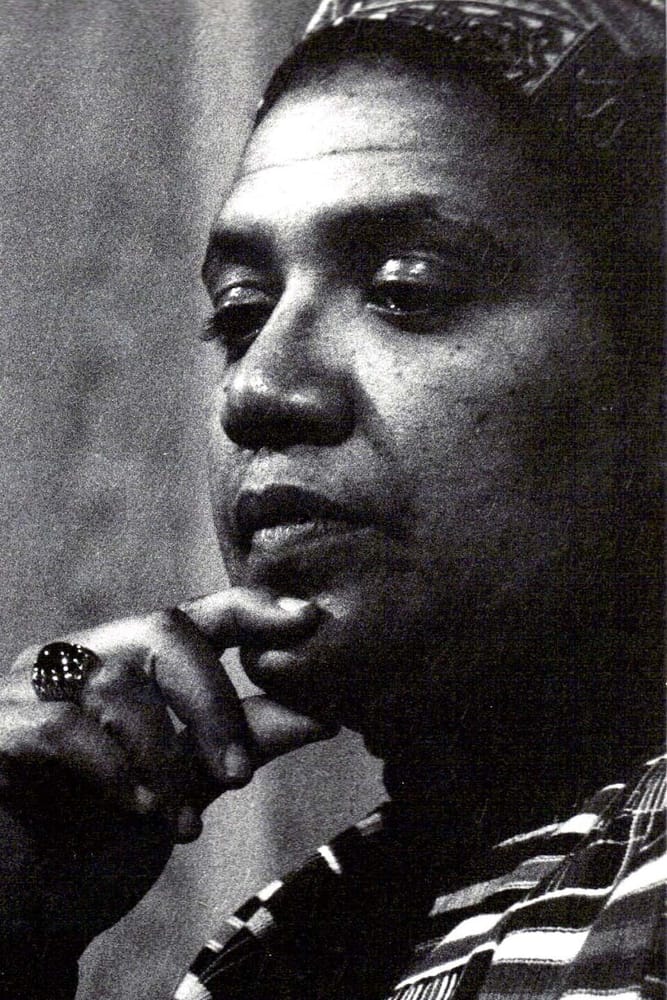
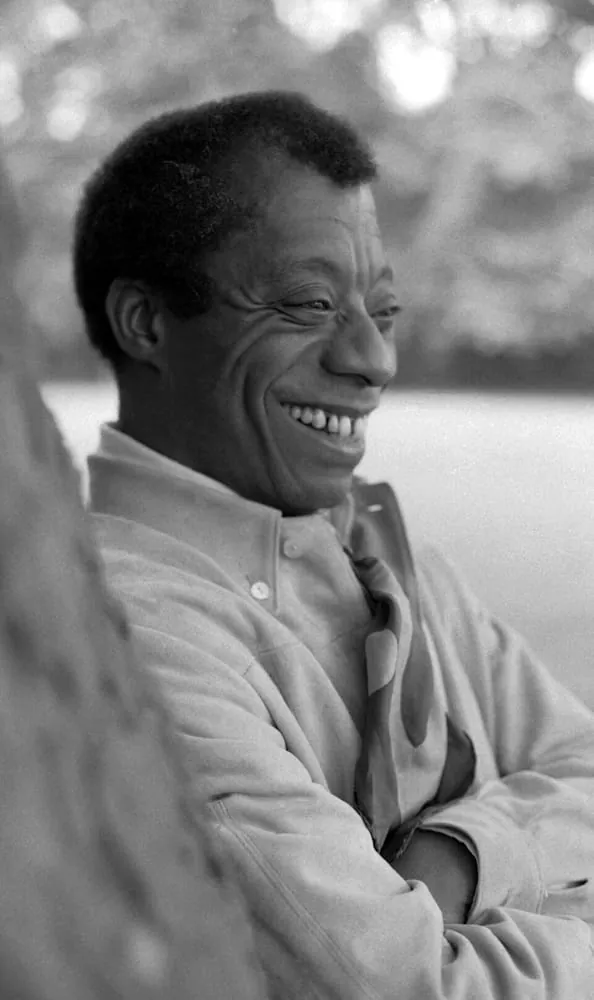
Bayard Rustin, 1963. Photo by Warren K. Leffler, U.S. News & World Report. Library of Congress, no known restrictions.Pauli Murray, about 1955. Franklin D. Roosevelt Presidential Library & Museum, CC BY 2.0.Audre Lorde, 1980. Photo by K. Kendall, CC BY 2.0.James Baldwin, 1969. Photo by Allan Warren, CC BY-SA 3.0.
And there were the writers who named the intersection so the rest of us could see it. Audre Lorde called herself a Black, lesbian, mother, warrior, poet, and wrote that "I am not free while any woman is unfree, even when her shackles are very different from my own." James Baldwin, who wrote openly of same-sex love in Giovanni's Room, stood at the 1963 March but, like Rustin, was not invited to speak. The thread that joins all four is the one Dr. King set down from a jail cell in 1963.
Injustice anywhere is a threat to justice everywhere.
Martin Luther King Jr., Letter from Birmingham Jail, April 16, 1963
Verified Rustin's role and honors, Murray's legal legacy and 1977 ordination, Lorde's and Baldwin's words, and the King quotation and its date. Corroborated that Rustin and Baldwin were kept from the 1963 podium in connection with their being gay.
Sources: the museum's verified figure record; the Pauli Murray Center (pronoun practice); the King Papers (Letter from Birmingham Jail). Full citations are held in the museum's research record.
Chapter IX
The freedom still being finished
The work did not end, and neither did the people doing it. In 1991, Black LGBTQ+ Washingtonians built the first official Black gay Pride event in the United States, DC Black Pride, first held on May 25, 1991, on Banneker Field near Howard University. It drew about 800 people in a community then reeling from HIV and AIDS, and it grew into a national and international network now stewarded by the Center for Black Equity. Juneteenth, June 19, sits squarely inside Pride Month, and across the country Black queer communities have built programming where the two meet. Not because they share a root, but because the same people carry both.
On June 14, 2020, after the killings of Dominique "Rem'mie" Fells in Philadelphia and Riah Milton in Ohio, and with the name of Layleen Polanco, who died in solitary confinement at Rikers Island in 2019, on people's lips, an estimated 15,000 people gathered at the Brooklyn Museum plaza dressed in white. It was, organizers said, one of the largest demonstrations for Black trans lives the country had seen. The white clothing was a deliberate echo of the NAACP's 1917 Silent Protest Parade. The Brooklyn Museum was the gathering site, not an organizer; the march was led by community groups including The Okra Project, the Marsha P. Johnson Institute, and G.L.I.T.S.
Layleen Polanco's name belongs in this exhibit for a precise reason. She died in a jail cell, in solitary confinement, the Thirteenth Amendment's exception for punishment having long since become a vast machinery of Black confinement. The clause we read in the first room, the chain gang we met in Frances Thompson's, ends here, in 2019, in a cell. The freedom Juneteenth announced is still arriving late for the people at the very bottom.
Photographs of these three women are held by their families and by the press, and we have not licensed them. We honor them here by name rather than with an image we do not have the right to show.
DC Black Pride began as the rescue of a tradition. From about 1975 to 1990, the Black-owned ClubHouse hosted a Memorial Day gathering called the Children's Hour. When the club closed, three organizers, Welmore Cook, Theodore Kirkland, and Ernest Hopkins, kept the community alive, and HIV and AIDS were the founding cause, not an afterthought: the first event raised funds for Black AIDS organizations. Corroborated
Verified DC Black Pride as the first official Black gay Pride event (May 25, 1991, about 800 people), the June 14, 2020 march and its estimated 15,000 in white, and the 1917 Silent Protest echo. Corroborated the march's organizing groups and that the Brooklyn Museum was the site, not an organizer.
Sources: Center for Black Equity and DC Black Pride; W Magazine and contemporaneous reporting (Brooklyn Liberation); reporting on Layleen Polanco. The 15,000 figure is an organizer-and-press estimate. Full citations are held in the museum's research record.
Chapter X
The spark and the folklore
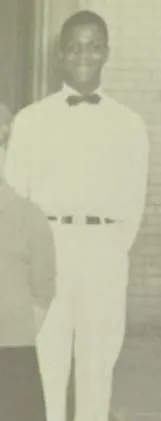
Marsha P. Johnson, 1962 yearbook photograph. Public domain (United States, published without copyright notice).
Some of the most beloved stories in queer history are folklore, and a museum that means to be trusted has to say so, gently and without taking anything from the people involved.
Marsha P. Johnson, a Black gender-nonconforming activist who co-founded STAR with Sylvia Rivera in 1970, is often said to have thrown the first brick at Stonewall. She did not claim this. In a recorded interview with the historian Eric Marcus in the late 1980s, she said she arrived at the Stonewall Inn at about two in the morning, after the uprising and the raid were already underway: "the place was already on fire, and there was a raid already." The first brick is best understood as folklore, which does not lessen who she was.
Stormé DeLarverie, a biracial Black butch lesbian and a drag king of the Jewel Box Revue, is often credited with throwing an early punch that helped ignite the Stonewall crowd. That role is genuinely contested, partly because her own accounts varied, and because she, Johnson, and Rivera all denied being the single spark. No authentic, freely-licensed photograph of DeLarverie survives; a widely shared colorized image is mislabeled, its free license covering only the colorization and not the original photograph, whose copyright a library calls undetermined. So we hold her here in words.
We tell these stories this way not to debunk them but to respect them. The truth of Stonewall is that no one person started it, and the truth of these two lives is large enough without the folklore.
Verified that Johnson said she arrived after the uprising had begun (Making Gay History). Contested DeLarverie's role as the singular spark of Stonewall, which she herself did not claim.
Sources: Making Gay History (the Eric Marcus interview with Marsha P. Johnson); the image-clearance dossier on Stormé DeLarverie. Full citations are held in the museum's research record.
Chapter XI
How we know, and what we left out
Almost everything in these rooms about the nineteenth century comes from sources written by people hostile to their subjects: police records, court dockets, and tabloid engravings made to mock. We have read those sources for the facts they preserve and labeled every load-bearing claim. Verified, where a primary or institutional source confirms it. Corroborated, where several credible sources agree. Contested, where the record genuinely conflicts, and we tell you how.
We left things out on purpose. We left out faces we cannot prove, including any imagined portrait of William Dorsey Swann or Stormé DeLarverie. We left out the claim that Swann founded today's ballroom houses, because the evidence supports inspiration, not succession. We left out the folklore that Marsha P. Johnson threw the first brick, because she said otherwise. We left out modern identity labels where the people themselves could not have used them. And we left out any suggestion that Juneteenth and Pride share an origin. They share a month and a people, not a root.
There is one silence we want to name directly. We searched for documented Black LGBTQ+ history tied specifically to New Bedford and the South Coast, and we did not find it in the public record. That absence is not evidence that these lives did not exist here. It is evidence of how thoroughly such lives went unrecorded, and how much local memory still lives in families and not yet in archives.
The argument, in one line
Nobody is free until everybody is free.
Fannie Lou Hamer, around 1971
The freedom Juneteenth marks is still being finished.
An open door
If you carry the South Coast's Black LGBTQ+ history, in a photograph, a letter, or a story passed down, we would be honored to help preserve it, with your consent and on your terms. The record is not finished, any more than the freedom is.
If this exhibit is heavy to carry, you do not have to carry it alone. The 988 Suicide & Crisis Lifeline is available to anyone, day or night, by call or text to 988. The Trevor Project supports LGBTQ+ young people at 1-866-488-7386, or text START to 678-678. Trans Lifeline offers peer support at 1-877-565-8860; it is peer-staffed and not always available around the clock.
Key sources: the National Archives; the National Park Service and New Bedford Historical Society; the scholarship of Channing Gerard Joseph; House Report No. 101; Teaching American History (the Combahee Statement); the Pauli Murray Center; Making Gay History; the Center for Black Equity; and the per-file image-license clearances held in the museum's research record. Every load-bearing claim on these walls is tagged, and a handful of items remain marked for final checking before any further use.
Chapter XII · A gallery
The Hall of Figures
The chapters could not hold everyone. Here are more of the people this history carries, across the long arc from slavery to the present. Select a name to read who they were. Where no true likeness survives, we show none, and we say so.
Lucy Hicks Anderson1886-1954
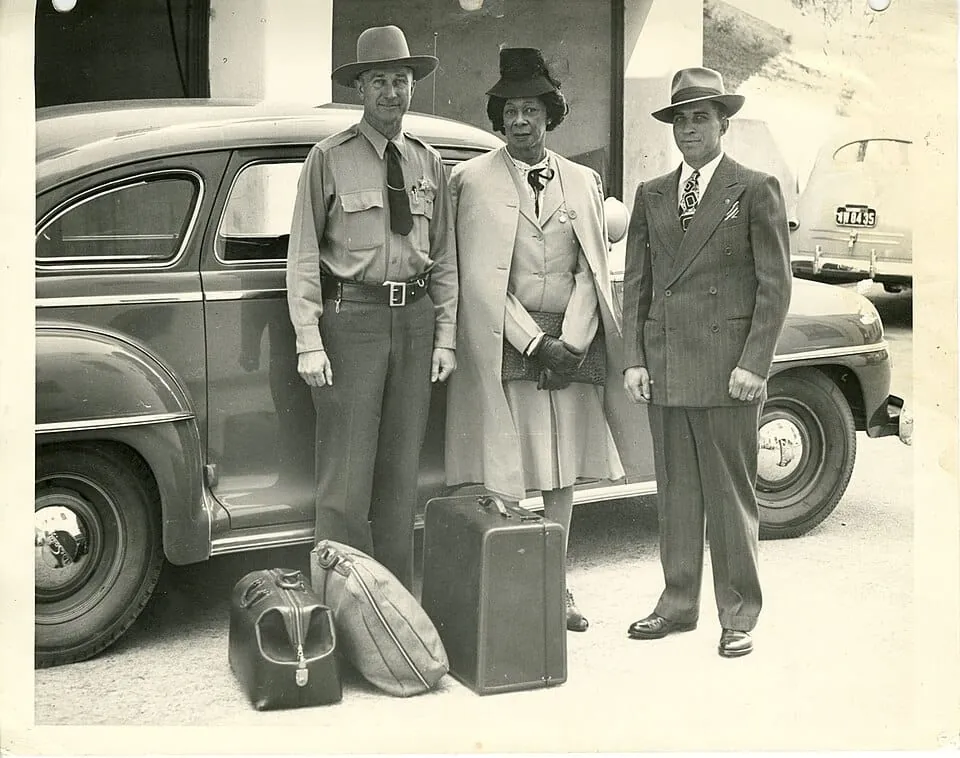
A celebrated chef, hostess, and socialite in Oxnard, California, Lucy Hicks Anderson lived openly as a woman for decades. In 1945, after a medical examination tied to a wartime investigation, she and her husband were prosecuted, and she stood in court and defended her womanhood, reportedly telling the room that she had lived, dressed, and acted just what she was, a woman. She is widely described as among the first Black trans women to defend her identity in a United States court. [Verified] on her life and the 1945 prosecution; the courtroom quotation is [Reported] and the "first" is [Likely].
Sources: BlackPast; African American Registry; Wikipedia. Image: Ventura County identification photograph, 1954, public domain.
Ernestine Eckstein1941-1992
Ernestine Eckstein was a leading Black voice in the mid-1960s homophile movement, at a moment when almost no one in those rooms looked like her. Vice president of the New York Daughters of Bilitis, she joined the October 1965 picket of the White House, the only Black demonstrator visible in the surviving record, and in 1966 became the first Black woman on the cover of the lesbian magazine The Ladder. She argued for direct action years before it was common. [Verified] on the DOB role, the picket, and the cover.
Sources: Making Gay History; NYC LGBT Historic Sites Project; Philadelphia Gay News. No freely licensed likeness survives, so we hold her here by name.
Mary Jonesb. 1803 · before Juneteenth
Mary Jones, also recorded as Peter Sewally, lived and worked as a woman in 1830s Lower Manhattan and was tried for grand larceny there in 1836. Hers is among the earliest documented Black gender-nonconforming lives in the American record, which is exactly why we hold it carefully. This life predates the emancipation our exhibit traces; she was free under New York law and may have been born free, and any transgender reading is a modern interpretation, not her own word. [Verified] on the 1836 case; her free-or-freeborn status is [Likely / Contested].
Sources: OutHistory (Jonathan Ned Katz); NYC Municipal Archives; Wikipedia. The only period image is a hostile caricature; we do not use it as her likeness.
Cathay Williamsc. 1844 - c. 1893
Born into slavery near Independence, Missouri, Cathay Williams enlisted in the United States Army in 1866, the year after General Order No. 3, serving as William Cathay and becoming, as historians widely describe her, the only documented woman to serve as a Buffalo Soldier. Her own account framed the choice plainly: she wanted to make her own living and not be dependent on anyone. We do not label her transgender. She was a woman who served as a man. [Verified] on the service record (enlisted November 15, 1866); the "only documented" superlative is [Likely].
Sources: National Park Service; Wikipedia; Legends of America. No authentic likeness survives, so we show none.
Bessie Smithc. 1894-1937
The Empress of the Blues and among the most celebrated and highest-paid Black performers of the 1920s, Bessie Smith recorded more than 160 songs. Her biographers document her relationships with both men and women, including the chorus dancer Lillian Simpson. She belongs in this lineage beside Ma Rainey, Gladys Bentley, and Richard Bruce Nugent. [Verified] on her career and her documented same-sex relationships; we name those relationships rather than fix a single modern label on a 1920s life.
Sources: Chris Albertson, Bessie; Wikipedia; Philadelphia Gay News. Image: Carl Van Vechten, 1936, public domain (Library of Congress), shown uncropped at the estate's request.
Latina, not Black. Sylvia Rivera, of Puerto Rican and Venezuelan descent, met Marsha P. Johnson as a teenager and in 1970 co-founded the Street Transvestite Action Revolutionaries, STAR, which housed and fed homeless queer and trans young people. We include her here only to honor the multiracial leadership of early trans liberation alongside Johnson, never as a Black figure. [Verified] on her heritage, dates, and the 1970 STAR co-founding.
Sources: Wikipedia; National Women's History Museum. No freely licensed photograph was found.
Andrea Jenkinsb. 1961 · living
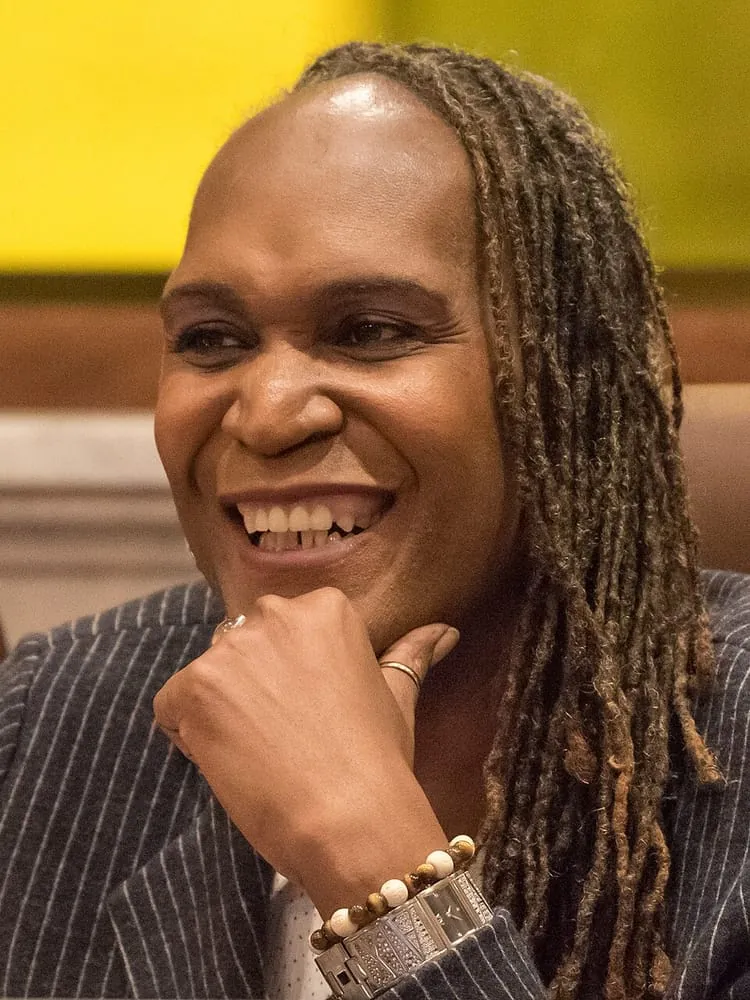
Andrea Jenkins is widely recognized as the first Black openly transgender person elected to public office in the United States, winning a Minneapolis City Council seat in 2017 by a wide margin and later serving as Council President. A poet and oral historian, she has led the Transgender Oral History Project since 2015, writing her community into the record as both legislator and archivist. [Verified], with the careful word "openly": Althea Garrison, also Black and trans, was elected in 1992 but was outed only after the fact.
Sources: NBC News; The Advocate; National Women's History Museum. Image: Tony Webster, 2018, CC BY-SA 2.0.
Raquel Willisb. 1990 or 1991 · living
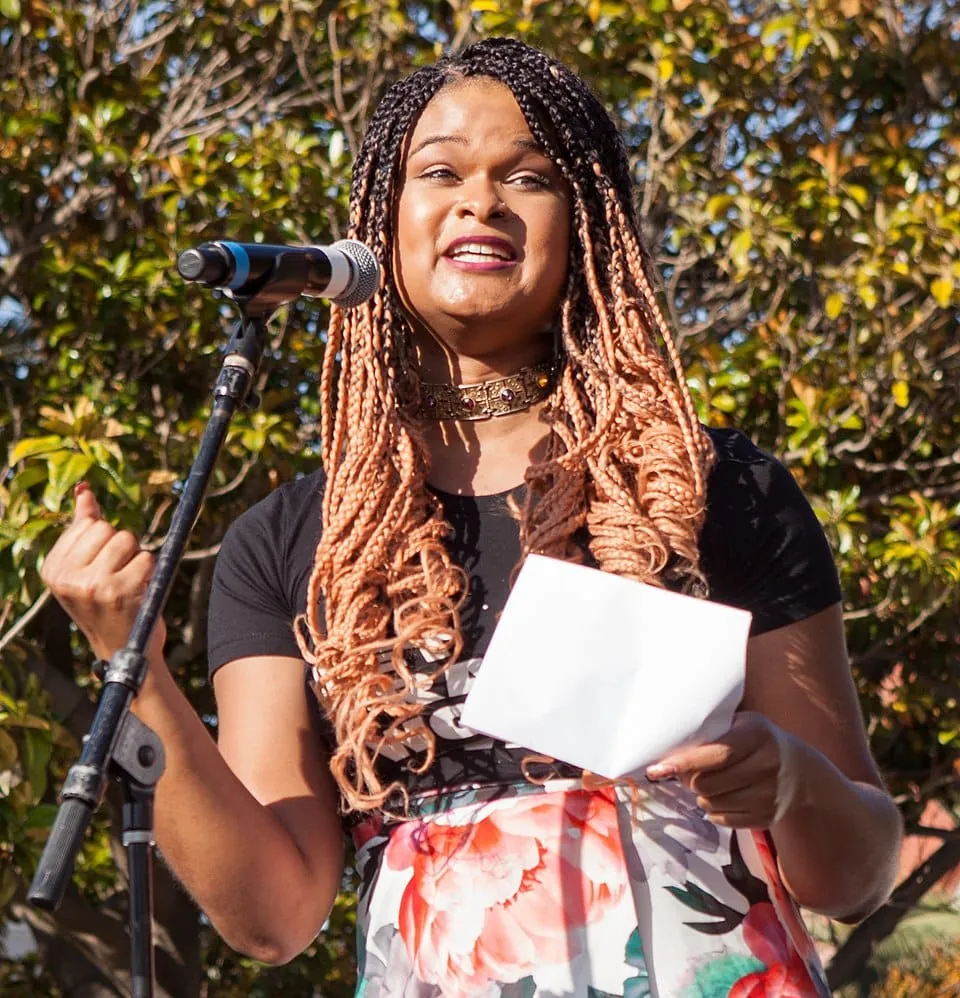
A Black transgender writer, editor, and organizer, Raquel Willis became the first trans woman to serve as executive editor of Out magazine, where she created the Trans Obituaries Project. In June 2020 she was one of the organizers and speakers at Brooklyn Liberation, where she led an estimated fifteen thousand people in a chant of Black trans power. Her memoir, The Risk It Takes to Bloom, appeared in 2023. [Verified] on her roles and the Brooklyn Liberation organizing; we describe her as one of the organizers, not the singular lead.
Sources: Out; TIME; CBS News. Image: Pax Ahimsa Gethen, 2017, CC BY-SA 4.0.
Ceyenne Doroshowliving
Ceyenne Doroshow is a Black trans activist and author who founded G.L.I.T.S. in 2015, an organization providing housing and healthcare for Black trans people; in 2020 it raised funds and bought permanent housing for trans people in crisis. She has been called a godmother of the Black trans movement and served as a Grand Marshal of NYC Pride in 2021, turning mutual aid into lasting, Black-trans-led infrastructure. [Verified] on founding G.L.I.T.S. and her public role.
Sources: G.L.I.T.S.; Wikipedia. We found no freely licensed portrait, so we name her and would welcome a released image, with consent.
Chapter XIII · Reference
Words we use, and further reading
A museum is responsible for its language and its sources. Here is how we use the key words in these rooms, and where to read further. We name what the record supports, we flag what is contested, and we are careful laying a modern word over a life that ended before that word existed.
Words we use, and how we use them
Juneteenth
The holiday marking June 19, 1865, when Gen. Gordon Granger issued General Order No. 3 in Galveston, Texas, announcing that enslaved people there were free; a federal holiday since 2021. How we use it: we describe it as the arrival and enforcement of emancipation in Texas, not the legal end of slavery nationally, which came with the Thirteenth Amendment in December 1865. [Verified]
Emancipation Proclamation
Lincoln's executive order of January 1, 1863, declaring enslaved people free in the Confederate states then in rebellion. How we use it: we are precise that it did not free all enslaved people and did not by itself end slavery; legal abolition belongs to the Thirteenth Amendment. [Verified]
Reconstruction
The era after the Civil War, conventionally 1865 to 1877, when the nation confronted the citizenship of formerly enslaved people. How we use it: we treat the dates as a scholarly convention, not a hard fact (the historian Eric Foner dates its start to 1863), and frame it as an unfinished revolution. [Verified]
The Thirteenth Amendment exception clause
The amendment abolished slavery "except as a punishment for crime whereof the party shall have been duly convicted." Convict leasing and the chain gang were the systems that grew in that gap, falling hardest on Black people criminalized under the Black Codes. How we use it: we quote the clause exactly and attribute interpretive claims about it to their sources. [Verified]
Drag, and the drag ball
Drag is the performance of gender through costume, movement, and persona; a drag ball is an organized, often competitive event built around it. How we use it: these are performance terms, and we do not silently convert a historical "female impersonator" or ball-goer into a modern identity. [Verified]
Ballroom, houses, and "walking"
A competitive performance community created by and for Black and Latino/a/e LGBTQ+ people, organized into chosen-family "houses"; to "walk" is to compete in a category. How we use it: we credit the Black and Latino/a/e queer and trans origin explicitly and use community terms as the community uses them. [Verified]
Transgender
An umbrella term for people whose gender differs from the sex assigned at birth; in this umbrella sense it gained wide use in the 1990s. How we use it: for people who lived before the word, museum practice is genuinely divided, so we describe what a person did and said and apply "transgender" only with an explicit signpost that it is our interpretation, never as a silent fact. [Verified that the usage is recent; the application to historical people is openly contested]
Queer
Once a slur, reclaimed beginning around 1990 as an affirming umbrella and an analytic term ("queer theory" was named by Teresa de Lauretis in 1991). How we use it: we do not apply it to people who would have known it only as an insult, and we recognize that reclamation is real but not universal. [Verified]
Two-Spirit
A pan-Indigenous English umbrella term coined in 1990 at a gathering in Winnipeg, naming diverse gender, sexual, and ceremonial roles within Indigenous nations. How we use it: it refers only to Indigenous people and must never be applied to Black or other non-Indigenous figures. We name it here so it is not misused. [Verified]
Jane Crow
Pauli Murray's term, a play on "Jim Crow," for the interlocking race-and-sex discrimination Black women faced, an early articulation of what we now call intersectionality. How we use it: we credit Murray and attribute pronoun choices to their source, since reputable institutions differ; the Pauli Murray Center uses no fixed pronoun. [Verified]
Identity politics
Politics grounded in the self-defined interests of an oppressed group. The phrase was given its name by the Combahee River Collective in their 1977 statement. How we use it: we attribute the term to its Black feminist, lesbian origin and quote the source, distinguishing that original meaning from contested present-day senses. [Verified on origin]
Further reading
Each title is verified at the publisher or a library record. Book covers and author photographs are copyrighted and are not shown here.
Tera W. Hunter, Bound in Wedlock: Slave and Free Black Marriage in the Nineteenth Century (Belknap Press of Harvard University Press, 2017). A history of African American marriage among the enslaved and the free.
Hannah Rosen, Terror in the Heart of Freedom (University of North Carolina Press, 2009). How Reconstruction-era contests over race were fought on the terrain of gender and sexual violence. The scholarly grounding for our Frances Thompson chapter.
Daina Ramey Berry and Leslie M. Harris, eds., Sexuality and Slavery: Reclaiming Intimate Histories in the Americas (University of Georgia Press, 2018). Sexuality placed at the center of slavery studies, as control and as autonomy.
Saidiya Hartman, Wayward Lives, Beautiful Experiments (W. W. Norton, 2019). The intimate, often queer lives of young Black women in the early-twentieth-century city.
Edda L. Fields-Black, Combee: Harriet Tubman, the Combahee River Raid, and Black Freedom During the Civil War (Oxford University Press, 2024). The first full account of Tubman's Civil War service and the 1863 raid; winner of the 2025 Pulitzer Prize for History.
The Combahee River Collective, "The Combahee River Collective Statement" (1977). The landmark Black feminist, lesbian-authored statement that named interlocking oppression and identity politics.
Eric Marcus, Making Gay History (Harper Perennial, 2002). Oral histories of the movement, and the basis for the podcast of the same name; our source for Marsha P. Johnson's own words.
Channing Gerard Joseph, House of Swann: Where Slaves Became Queens (Crown, forthcoming). The narrative history of William Dorsey Swann. Publication date is contested across listings; cited as forthcoming until the publisher confirms.
Smithsonian National Museum of African American History and Culture, online stories on Black queer history, including "The Harlem Renaissance in Black Queer History" and "A Brief History of Voguing."
The Pauli Murray Center for History and Social Justice (Durham, North Carolina), the historic site and authority we follow on Murray's life and language.
The record is not finished, any more than the freedom is.

 Museum