From a court-martial at Valley Forge in 1778 to the repeal of Don't Ask, Don't Tell in 2011 and the court fight over transgender service that continues today, LGBTQ+ Americans served their country, often in silence, and some of them came home to the South Coast.
Room 0
New Bedford, Massachusetts, 2026
Served in Silence
Every Veterans Day the country thanks the people who wore its uniform, lesbian, gay, bisexual and transgender Americans among them, although for most of the nation's history the military punished them when it found them out. Those who were caught could be court-martialed and drummed out, or sent home with a discharge that cost them the benefits other veterans earned. Corroborated
In 1778 Washington's army drummed a lieutenant out of Valley Forge after a court-martial for attempted sodomy, and in World War II thousands of service members left with a "blue discharge." From 1993 the law known as Don't Ask, Don't Tell let gay, lesbian and bisexual troops stay in uniform as long as they kept their sexual orientation to themselves, and the Defense Department separated more than 13,000 service members under that policy from 1994 through 2009, before its repeal took effect on September 20, 2011. Verified
"Do you have homosexual tendencies?" the officer asked Frank Kameny on the day of his induction into the US Army in 1943. (National WWII Museum)
Kameny answered no, as did many other gay men who fought in that war, and went on to serve in Europe as a mortar crewman. In 1957, while he was working as an astronomer for the Army Map Service, investigators asked him about reports that he was gay, and he was fired. Verified
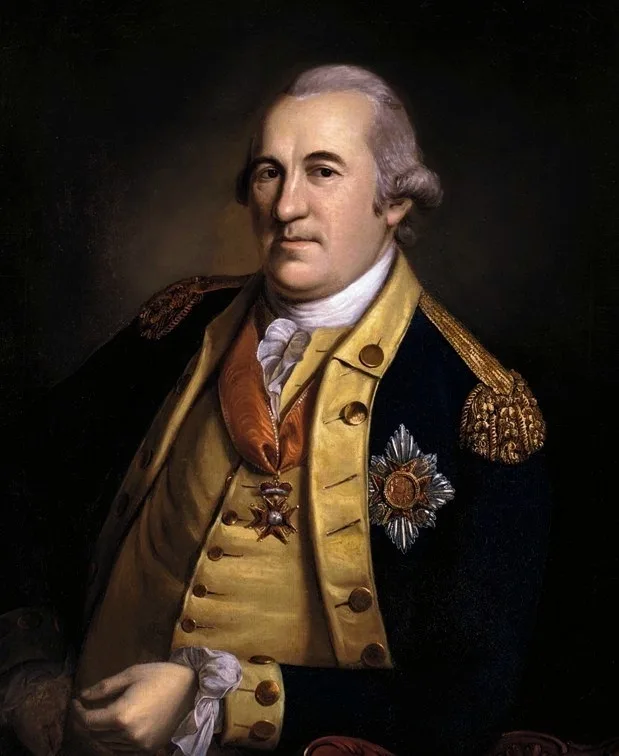
Valley Forge in 1778, where a court-martial ended one officer's career and Baron von Steuben, whose private life historians still debate, trained the army, and Deborah Sampson of Plympton, who served as Robert Shurtleff.
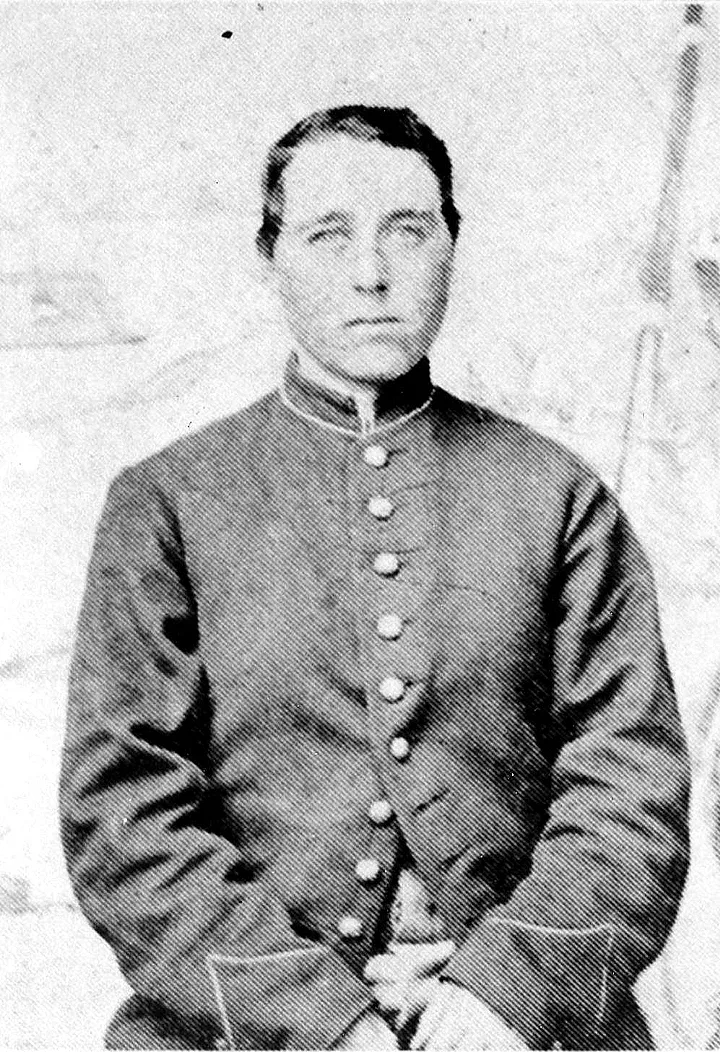
Private Albert D. J. Cashier of the 95th Illinois Infantry, who fought through the Civil War and lived as a man for more than 50 years.
Newport, Rhode Island, in 1919, where the Navy sent young sailors out as decoys to entrap other men.
World War II screening, the blue discharge and the Lavender Scare, and Frank Kameny, who lost a federal job and took his case to the Supreme Court.
Leonard Matlovich, Miriam Ben-Shalom, Perry Watkins and Margarethe Cammermeyer, who challenged the ban from 1975 into the 1990s, and the 1993 law that followed.
The repeal, the back and forth over transgender service that is still before the courts this Veterans Day, and transgender veterans from Christine Jorgensen, who was honorably discharged from the Army in 1946, to the Department of Veterans Affairs today.
In New Bedford, where George Whittaker was born and raised, he and John Lipsky are remembered as decorated World War II veterans whose estate created lasting funds for LGBTQ+ young people in that city and in Providence. Joan Stratton of Mattapoisett served as a quartermaster in the U.S. Coast Guard and, years after she transitioned, helped found Southcoast Equality and the Pride Cafe. Jeff Schmalz, an Army veteran, married in New Bedford after Massachusetts opened marriage to same-sex couples in 2004. In Washington, Gerry Studds and Barney Frank, two congressmen who represented the region, pressed in the 1990s to end the ban. Corroborated
Barbara Humma of Warwick, Rhode Island, who served in the Navy from 1976 to 1985, told The Rainbow Times in 2010 that when her recruiter asked whether she was homosexual, "I said no but I knew I was lying," and Peter Donnelly of Provincetown, a Navy diver from 1982 to 1986, told Provincetown Magazine in 2023 that before Don't Ask, Don't Tell "it was 'Hide.'" Since 2023 Massachusetts has offered help to veterans discharged because of who they are. Corroborated
If you served, or someone you love did, call or text the Network at 774-775-2656 to put that service on the record, and you will see the full draft of your story at least seven days before anything is published. Verified
U.S. Government Accountability Office, "Military Personnel: Personnel and Cost Data Associated with Implementing DOD's Homosexual Conduct Policy," GAO-11-170, Jan. 20, 2011, https://www.gao.gov/products/gao-11-170
South Coast LGBTQ+ Network, source consent and media release protocol
Hero image: Leonard Matlovich's headstone, Congressional Cemetery, Washington, D.C., photographed April 1, 2026. Photo by APK, CC BY 4.0, via Wikimedia Commons, cropped.
Room 1
Valley Forge, Pennsylvania, 1778
Valley Forge to Robert Shurtleff's discharge, 1778 to 1783
At the Continental Army's winter camp at Valley Forge on March 14, 1778, George Washington approved the sentence of a general court-martial against Lieutenant Frederick Gotthold Enslin of Colonel William Malcom's regiment, who had been tried "for attempting to commit sodomy, with John Monhort a soldier" and for swearing to false accounts. Verified
Washington's general orders for that day said he approved the sentence "with Abhorrence & Detestation of such Infamous Crimes" and ordered Enslin "to be drummed out of Camp tomorrow morning by all the Drummers and Fifers in the Army never to return." Lieutenant James McMichael watched the next morning and wrote in his diary that "the coat of the delinquent was turned wrong side out" as the drums marched Enslin out of camp and across the Schuylkill River. Verified
Writing for the Journal of the American Revolution in 2026, researchers Kelley Danahy and Kate Danahy call Enslin's dismissal for attempted sodomy "the only recorded case of its kind" in the Continental Army. Historians still read the thin record in different ways, and where William Benemann concluded that the Enslin case appears to be one of sexual assault, the Danahys answer that "there is insufficient information to know whether the relationship was consensual or not." Corroborated
Enslin went on to a long second life in Massachusetts, where Boston records traced by the Danahys show that he and Elizabeth Geyer published their intention to marry in 1784, that he worked as a clerk and trader, and that he died in Boston in 1800 as a bookkeeper who owned a house on Nassau Street. Corroborated
Less than three weeks before Enslin was drummed out, a Prussian officer named Friedrich Wilhelm von Steuben reached the camp. The National Park Service dates his arrival at Valley Forge to February 23, 1778, and as the army's inspector general Steuben wrote drill regulations, known as the Blue Book, that remained the Army's training manual for decades. Verified
Friedrich Wilhelm von Steuben, portrait by Charles Willson Peale, 1780. Pennsylvania Academy of the Fine Arts, via Wikimedia Commons. Public domain.
Steuben is often celebrated today as a gay founding figure, and historian J. L. Bell, who studied the evidence closely in 2018, writes that he thinks "there's good evidence for Steuben being gay." Bell also warns that many details in popular retellings are "wildly exaggerated," and that the main record from Steuben's lifetime is a 1777 letter from an official in Baden repeating what Bell calls "accusations of sexual misconduct," an anonymous rumor that Smithsonian Magazine notes was never proven. He adds that "no one has found evidence that Baron de Steuben faced formal 'charges of sodomy'" or was expelled from any country. Corroborated
Once the war ended, the lifelong bachelor shared his household with former aides, and in his final will of 1794 he wrote that he would "adopt my Friends and former Aid Des Camps Benjamin Walker and William North as my Children," leaving them his estate. Both men had married by then, and Bell describes their later bond with Steuben as something "more like grown sons looking after a failing father," failing, he adds, "in the financial sense." Corroborated
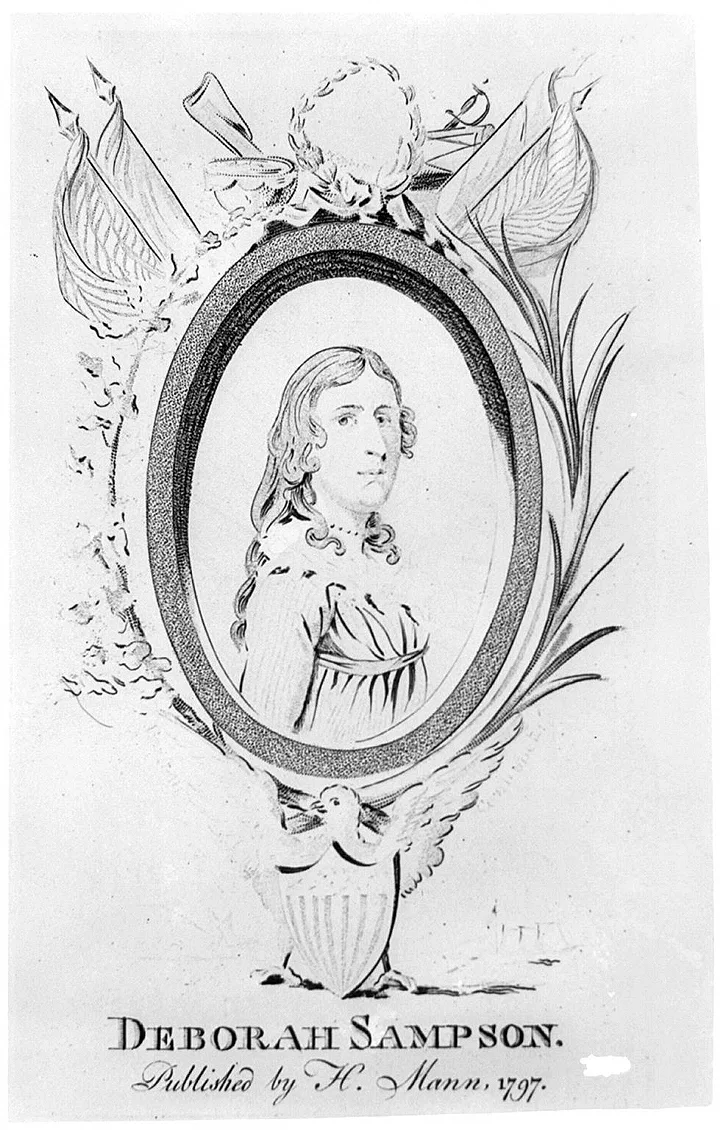
Four years after Valley Forge, a young woman from Plympton, Massachusetts, born in 1760, put on a uniform of her own. Deborah Sampson grew up in Middleborough, where at age 10 she was bound out as an indentured servant to Deacon Benjamin Thomas, a farmer with a large family, and she stayed until her indenture ended at 18, the National Women's History Museum writes. In 1782, Sampson enlisted in the Fourth Massachusetts Regiment under the name Robert Shurtleff, scouted and fought in New York, and was honorably discharged on October 23, 1783, the same biography says. Her own sworn pension statement of 1818, held by the National Archives, gives the enlistment as April 1781, and Paul Revere later wrote in support of her claim for a pension. Verified
Deborah Sampson, engraving published by Herman Mann, 1797. Library of Congress, via Wikimedia Commons. Public domain.
The National Park Service uses her story as a lesson in how to read the past. "Deborah did not necessarily identify as a man and labeling her 'transgender' is misleading," its guide to LGBTQ history says, adding that "she wanted to fight for her country and had to pass as male in order to do so." Verified
Sources
"General Orders, 14 March 1778," Founders Online, National Archives (The Papers of George Washington, Revolutionary War Series, vol. 14, University of Virginia Press, 2004, pp. 171 to 173), with editors' note quoting the diary of Lt. James McMichael, https://founders.archives.gov/documents/Washington/03-14-02-0138
Private Albert D. J. Cashier of the 95th Illinois, 1862 to 1915
In August 1862, an Irish immigrant who gave the name Albert D. J. Cashier enlisted in the 95th Illinois Infantry, and Army records describe the 19-year-old recruit as having a light complexion, blue eyes and auburn hair. Cashier served with the regiment until it was mustered out on August 17, 1865, through roughly 40 battles and skirmishes that included the siege of Vicksburg and the Battle of Nashville. Verified
Albert D. J. Cashier in uniform, November 1864. Abraham Lincoln Presidential Library and Museum, via Wikimedia Commons. Public domain.
Once home from the war, Cashier settled in Saunemin, Illinois, and for decades worked as a farmhand, church janitor, cemetery worker and street lamplighter, living as a man, voting in elections at a time when women could not, and drawing a veteran's pension, according to the American Battlefield Trust. Corroborated
In November 1910, Cashier was struck by a car and broke a leg, and the injury led to the discovery that Cashier had been assigned female at birth. The local hospital agreed to keep that private, and Cashier moved to the Soldiers' and Sailors' Home in Quincy, Illinois, to recover. In March 1913, as dementia set in, Cashier was sent to a state hospital, where attendants forced the old soldier to wear a dress, and the story spread through the newspapers. Corroborated
When the news broke, the men of the 95th stood by their comrade. The Battlefield Trust records that many former comrades, though surprised at first, supported Cashier and "protested his treatment at the state hospital," and a deposition a fellow soldier gave in 1915, Blanton writes, showed that none of Cashier's comrades had ever suspected. Corroborated
Cashier died at the Watertown State Hospital on October 10, 1915, and was buried in full uniform under a headstone carrying Cashier's name and the record of service in the Union Army. That is the date the American Battlefield Trust gives and the date archivist DeAnne Blanton gave in They Fought Like Demons, her 2002 book with Lauren M. Cook, although her earlier 1993 article in the National Archives journal Prologue had given October 11, 1914. Corroborated
In that 1993 Prologue article, Blanton counted Cashier among the women soldiers of the Civil War and wrote that Cashier and Sarah Emma Edmonds "are the best known and most fully documented of all the women combatants." The American Battlefield Trust, by contrast, writes that Cashier's "consistent and nearly life-long commitment to a male identity has prompted some contemporary scholars to think of Cashier as a transgender man." Cashier enlisted under that name in 1862 and was still answering to it more than 50 years later. Corroborated
Cashier was far from alone, and Blanton cited estimates of "as many as 250 women in the ranks of the Confederate army," and the Battlefield Trust writes that there are "over 400 documented cases of women disguising themselves as men and fighting as soldiers on both sides during the Civil War." Edmonds enlisted in the Second Michigan Infantry as Franklin Thompson in 1861 and in 1886 received a government pension for that service. Verified
The National Park Service's guide to LGBTQ history, summarizing historian Steve Estes, adds that evidence also suggests "men with same-sex desires fought for both the Union and the Confederacy during the Civil War," and that same-sex desire, though not welcomed, "was sometimes overlooked if soldiers had skills that were vital for combat success." Corroborated
In 1909, when journalist Ida Tarbell asked the Army whether it had any record of women who served, the adjutant general's office replied that "no official record has been found in the War Department" of any woman enlisting during the war, and Blanton, writing from inside the National Archives, called that answer "untrue," because the Army's own compiled service records already documented women who had served. Verified
DeAnne Blanton and Lauren M. Cook, They Fought Like Demons: Women Soldiers in the American Civil War, Louisiana State University Press, 2002 (death at the Watertown State Hospital on Oct. 10, 1915), Vintage paperback edition of 2003 at the Internet Archive, https://archive.org/details/theyfoughtlikede0000blan
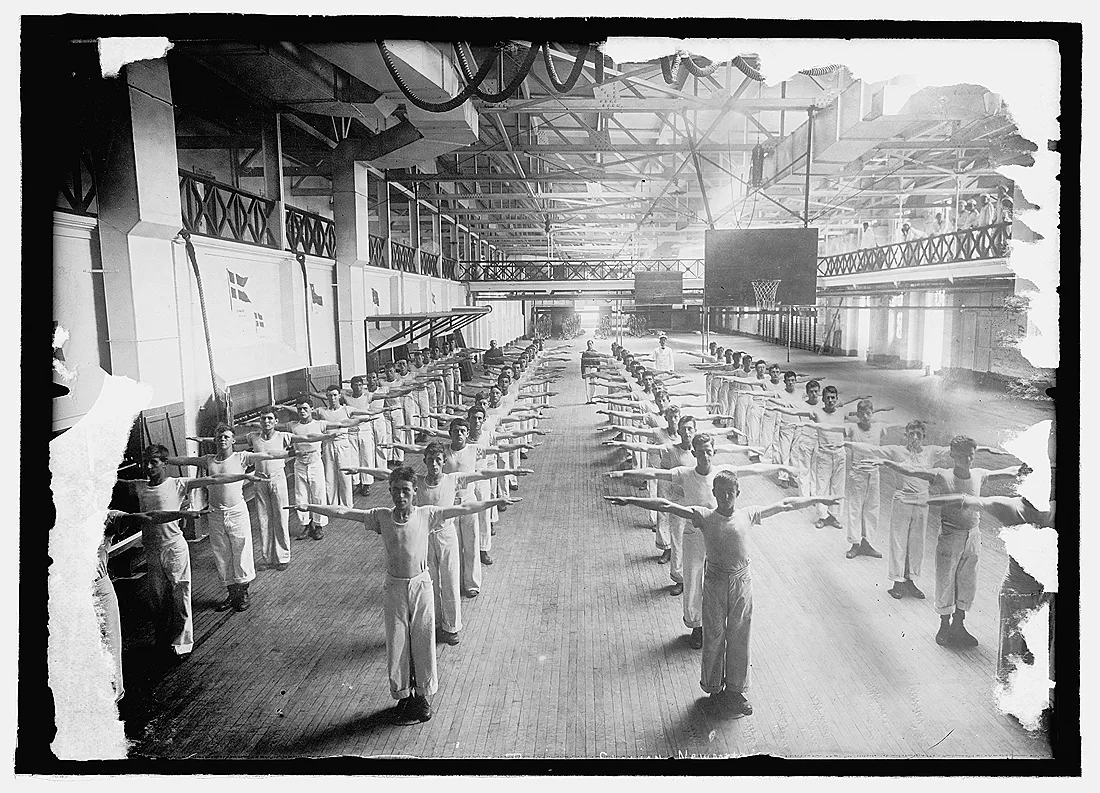
In the spring of 1919, months after the armistice that ended World War I, the Navy began an undercover campaign at the Naval Training Station in Newport, Rhode Island, to catch sailors and civilians suspected of sex between men. Assistant Secretary of the Navy Franklin D. Roosevelt backed it from Washington, and its methods ended in a national scandal and a Senate investigation. Corroborated
The station's commandant, Captain Edward H. Campbell, set up a four-man court of inquiry on March 15, 1919, chaired by Lieutenant Erastus Mead Hudson of the Medical Corps, and as historian Charles H. Ford tells it, a machinist's mate and former private detective named Ervin Arnold persuaded Hudson that young recruits could be used as bait. By late March Arnold had 13 newly enlisted sailors working for him. Corroborated
Ford writes that the decoys caught "at least eighteen comrades in April," and that the men they trapped "were shown no mercy," since "Nearly all were court-martialed or dishonorably discharged, facing the full weight of naval justice." The decoys themselves, some of whom took part in the sexual acts they were sent to report, were praised by the court of inquiry. Corroborated
Men at physical training indoors, Naval Training Station, Newport, between 1908 and 1919. The men pictured are not identified and are not known to have any connection to the 1919 investigation. National Photo Company Collection, Library of Congress, via Wikimedia Commons. Public domain.
Roosevelt then widened the hunt to civilians, and by June, according to Ford, Hudson was working out of Roosevelt's office and being paid from the assistant secretary's discretionary funds. A second wave of undercover work led to the arrest of 16 civilians, among them Samuel Neal Kent, an Episcopal clergyman who served as a chaplain in Newport. Kent was acquitted at a local trial on August 23, 1919, and was then arrested again under a wartime federal law against lewdness near a military base, Ford writes. Corroborated
Kent's arrest turned a quiet purge into a public fight, and historian George Chauncey, writing about Newport in a collection of essays on American sexual history, says that "Protests by the Newport Ministerial Union and the Episcopal Bishop of Rhode Island, and a vigorous editorial campaign by the Providence Journal, forced the navy to conduct a second inquiry in 1920 into the methods used in the investigation." Corroborated
The entire investigation received little attention before the navy accused a prominent Episcopal clergyman who worked at the YMCA of soliciting homosexual contacts there. (George Chauncey)
That second inquiry criticized the methods but largely cleared the senior officials, Chauncey writes, so the ministers turned to the Republican-controlled Senate Committee on Naval Affairs. On July 19, 1921, a subcommittee's majority report, signed by its two Republican members, Senators Lewis H. Ball of Delaware and Henry W. Keyes of New Hampshire, called Roosevelt's action "most reprehensible" and said that using enlisted men in this way "violated the code of the American citizen and ignored the rights of every American boy who enlisted in the navy to fight for his country," as The New York Times quoted the report the next day, while the subcommittee's one Democrat filed a minority report. Corroborated
The senators' outrage was for the young decoys and stopped short of the men they had caught. Joseph Keefe, a historian at the National Archives in Waltham, Massachusetts, told GoLocalProv that the Republicans who led the inquiry "weren't necessarily questioning why this was being investigated, but rather the tactics being used." Corroborated
Historians now read the trial records for what they show of the period, and Kate Monteiro, a longtime figure in Rhode Island's LGBTQ movement, told the same reporter that "There was a flourishing of underground gay male culture in Newport in the teens, and if you read the testimonials from the trials, there was a wealth of information about this period of history." Ford calls the 1919 operation a harbinger of "abuses of power in the name of exposing homosexuality among soldiers, sailors, marines, and civilians in the twentieth century." Corroborated
"FDR's Dark Anti-Gay Legacy in Newport," GoLocalProv, Sept. 29, 2014 (interviews with Joseph Keefe of the National Archives at Waltham, historian John Loughery and Kate Monteiro; quotes the 1921 Senate Naval Affairs report and Chauncey), https://www.golocalprov.com/news/fdrs-dark-anti-gay-legacy-in-newport
"Lay Navy Scandal to F. D. Roosevelt," The New York Times, July 20, 1921 (quotes the majority report of the Senate Naval Affairs subcommittee made public July 19, 1921, published as Alleged Immoral Conditions at Newport (R.I.) Naval Training Station, 67th Congress), Internet Archive scan, https://archive.org/details/sim_new-york-times_1921-07-20_70_23188
The blue discharge and the Lavender Scare, 1941 to 1961
World War II put millions of Americans in uniform, and it was the war in which the military shifted from jailing soldiers accused of homosexuality to screening them out and discharging them as psychologically unfit. Historian Allan Bérubé, whose 1990 book Coming Out Under Fire: The History of Gay Men and Women in World War II told that story, found that psychiatrists had persuaded President Franklin D. Roosevelt of the need to screen draftees for mental disorders, and homosexuality was counted among them. Corroborated
The screeners had no reliable method, and Bérubé describes doctors looking for subjective "signs" such as "feminine bodily characteristics" and "effeminacy in dress and manner." He estimated that out of some 18 million potential enlistees, the military identified only 4,000 to 5,000 people it labeled homosexual, a number HISTORY.com, summarizing Bérubé, calls "a severe undercount." In January 1944 the War Department began allowing discharges for "latent homosexuality," so that a soldier could be put out for seeming gay even without proof. Corroborated
Thousands left the service with a "blue discharge," named for the color of the paper, a separation that was neither honorable nor dishonorable and that the Veterans Administration treated as a bar to GI Bill benefits. A 1946 War Department estimate put the Army's total at nearly 50,000 blue discharges for all causes, and Black soldiers received 22 percent of them, more than double their share of the military at the time, according to historian Jennifer Dominique Jones. In May 1944, Lieutenant Lemuel S. Brown, discharged on an accusation of "attempting to perpetrate an act of Homosexuality," wrote to the NAACP for help fighting his. Corroborated
Congress took notice after the war, and in January 1946 a special committee of the House Committee on Military Affairs reported that a blue discharge "gives the impression that there is something radically wrong with the man in question, something so mysterious that it cannot be talked about or written down, but must be left to the imagination," and it said the Veterans Administration "should be estopped from passing moral verdicts on the history of any soldier." The Army abolished the blue discharge in 1947, but discharges for homosexuality continued as "other than honorable." Verified
The Cold War carried the purge into civilian government, and on April 27, 1953, President Dwight D. Eisenhower signed Executive Order 10450, which told federal security investigators to look for "sexual perversion" among other conduct when deciding whether a worker's employment was "clearly consistent with the interests of the national security." In what became known as the Lavender Scare, thousands of gay and lesbian workers were driven out of federal jobs. VerifiedCorroborated
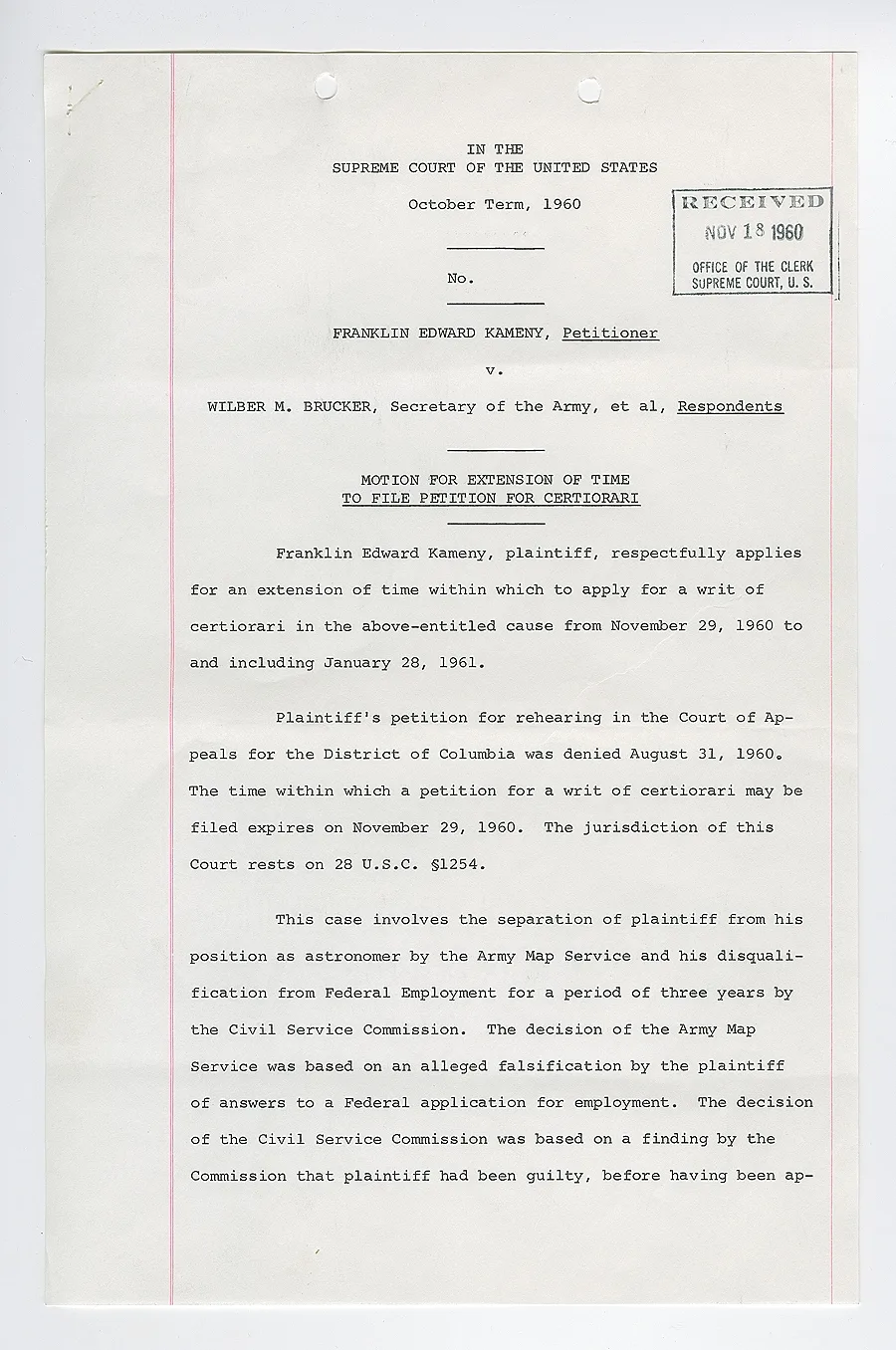
Franklin Edward Kameny's motion for more time to petition the Supreme Court in Kameny v. Brucker, stamped received Nov. 18, 1960. National Archives and Records Administration, via Wikimedia Commons.
Among them was Frank Kameny, who had faced the wartime screening himself. "Do you have homosexual tendencies?" an officer asked him on the day of his induction into the Army in 1943, and Kameny answered no, then served as a mortar crewman with the 58th Armored Infantry Battalion of the 8th Armored Division until his discharge in March 1946, according to the National WWII Museum. Verified
Back in civilian life, Kameny earned a Harvard doctorate in astronomy, and in 1957, when he was 32 and working for the Army Map Service, he was called back to Washington and asked about reports that he was gay. "I don't see how it's relevant to any rational concern or business of the government," he later recalled answering, and he was soon fired. In 1961 he petitioned the Supreme Court, which declined to hear his case, making him, as NPR later put it, "the first openly gay person to file a gay-related case before the high court." Verified
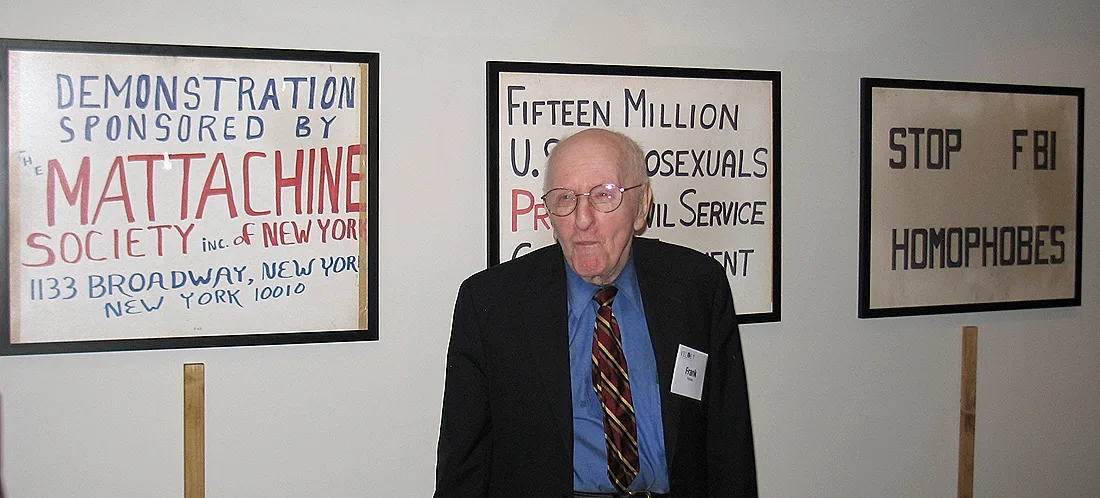
That same year Kameny co-founded the Mattachine Society of Washington, and in 1965 its members held the first recorded gay rights picket of the White House, carrying signs that read "Homosexual Citizens Want to Serve Their Country Too." He coined the slogan "Gay Is Good" in 1968, and in 2009 the federal government formally apologized to him for his firing, two years before his death in 2011. Verified
Frank Kameny in June 2009, standing before picket signs from his early protests. Photo by DCVirago, CC BY-SA 2.0, via Wikimedia Commons.
Air Force Technical Sergeant Leonard Matlovich, a Vietnam veteran who held the Bronze Star and the Purple Heart, gave his commanding officer at Langley Air Force Base in Virginia a letter on March 6, 1975, saying that he was gay. He told his commander that he hoped his case would set a precedent like the one set by Brown versus Board of Education. Verified
By September 8, 1975, Matlovich was on the cover of Time magazine in uniform above the words "I Am a Homosexual." At his discharge hearing he was asked to sign a pledge to "never practice homosexuality again," and he refused. A discharge board recommended a general discharge, but his commanding officer at Langley ruled that it should be honorable, and the Air Force carried out an honorable discharge on October 22, 1975, according to the federal appeals court in Washington, which in 1978 sent his case back to the Air Force for reconsideration. In September 1980 a federal judge ordered his reinstatement, and rather than return to a service he expected to try again to remove him, he accepted a settlement of $160,000. Corroborated
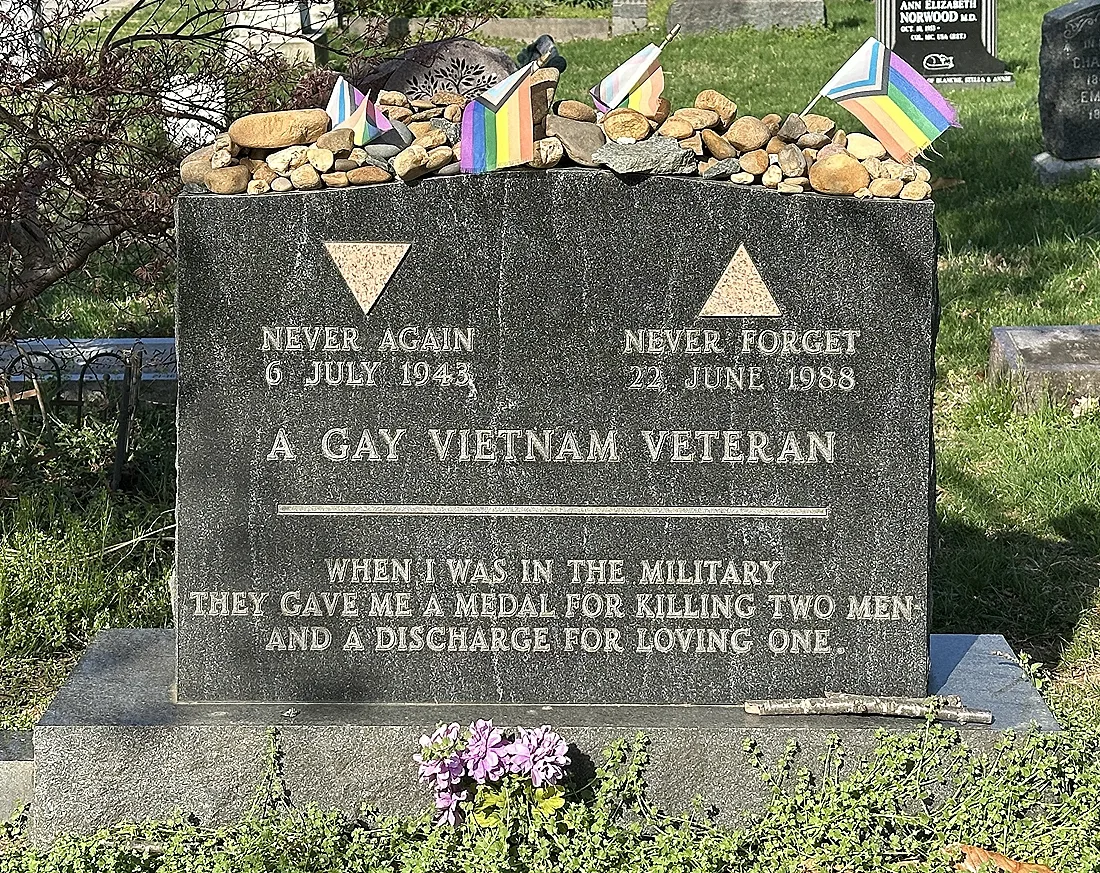
Matlovich died of complications of AIDS on June 22, 1988, and is buried in Congressional Cemetery in Washington, D.C. His headstone reads "A Gay Vietnam Veteran," followed by the line that made it famous: "When I was in the military they gave me a medal for killing two men and a discharge for loving one." Verified
Leonard Matlovich's headstone, Congressional Cemetery, Washington, D.C., photographed April 1, 2026. Photo by APK, CC BY 4.0, via Wikimedia Commons.
Others carried the fight into federal court, among them Miriam Ben-Shalom, a lesbian reservist whom the Army Reserve discharged in 1976 under a rule that removed any soldier who "evidenced homosexual tendencies, desire or interest, but is without overt homosexual acts." A federal judge ordered her reinstated, and she later won a conditional new enlistment under a court order, but in August 1989 the Seventh Circuit Court of Appeals ruled that the Army could refuse to reenlist her because "she has declared herself to be homosexual." Verified
Perry Watkins had told the Army the truth from his first day. When he was drafted in August 1967 at age 19, he marked "yes" on a preinduction form question asking whether he had "homosexual tendencies," and the Army inducted him anyway and let him reenlist again and again over 14 years, while one commanding officer called him "the best clerk I have known." In May 1989 the full Ninth Circuit Court of Appeals ruled that the Army could not now refuse to reenlist him, opening its opinion with the words "The United States Army denied Sgt. Perry J. Watkins reenlistment solely because he is a homosexual," and in 1990 the Supreme Court declined to hear the Army's appeal. Verified
Colonel Margarethe Cammermeyer, a Washington State National Guard nurse with a Bronze Star from Vietnam, was asked about her orientation during a security clearance interview and wrote, "I am a Lesbian. Lesbianism is an orientation I have, emotional in nature, towards women. It does not imply sexual activity." The Army withdrew her federal recognition, which forced her out of the Guard, and in 1994 a federal judge ruled her discharge unconstitutional and ordered her reinstated, after which she returned to the Guard while the government appealed. Verified
It would simply require the Army to continue to do what it has repeatedly done for fourteen years with only positive results: reenlist a single soldier with an exceptionally outstanding military record. (U.S. Court of Appeals for the Ninth Circuit, Watkins versus United States Army, 1989)
Watkins and Cammermeyer fought under a 1981 federal policy stating that "Homosexuality is incompatible with military service." After a fight between President Bill Clinton and opponents in Congress and the military, the compromise known as "Don't Ask, Don't Tell" became law on November 30, 1993. It allowed gay, lesbian and bisexual troops to serve only if they kept silent, since the statute found that the presence of people who "demonstrate a propensity or intent to engage in homosexual acts would create an unacceptable risk to the high standards of morale, good order and discipline, and unit cohesion that are the essence of military capability." Verified
The law did not stop the discharges, and the Government Accountability Office reported that from fiscal year 1994 through 2009 the Defense Department separated "over 13,000 active military servicemembers" under its homosexual conduct policy, about 9,500 of them in the first 10 years alone. Verified
U.S. Government Accountability Office, "Military Personnel: Personnel and Cost Data Associated with Implementing DOD's Homosexual Conduct Policy," GAO-11-170, Jan. 20, 2011, https://www.gao.gov/products/gao-11-170
U.S. Government Accountability Office, "Military Personnel: Financial Cost and Loss of Critical Skills Due to DOD's Homosexual Conduct Policy Cannot Be Completely Estimated," GAO-05-299, Feb. 23, 2005, https://www.gao.gov/products/gao-05-299
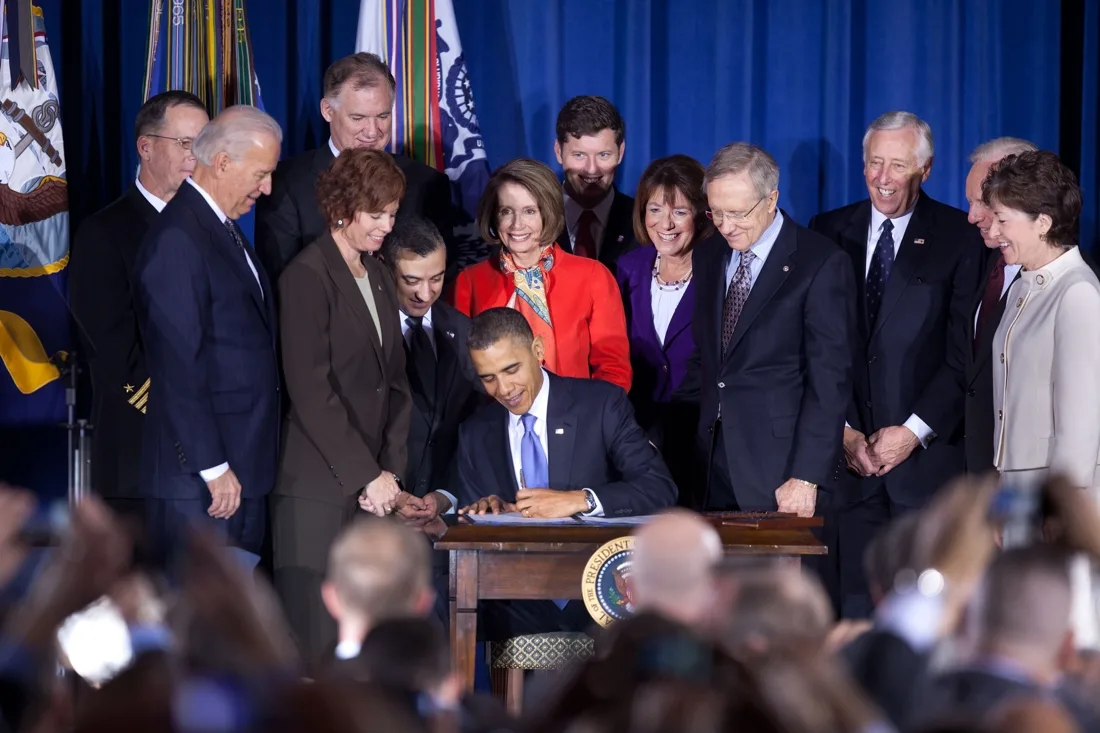
President Barack Obama signed the Don't Ask, Don't Tell Repeal Act of 2010, Public Law 111-321, on December 22, 2010. The repeal took effect on September 20, 2011, and gay, lesbian and bisexual service members could serve openly for the first time. Verified
President Barack Obama signs the Don't Ask, Don't Tell Repeal Act of 2010, Dec. 22, 2010. Official White House photograph, via Wikimedia Commons. Public domain.
Transgender service members waited longer, and their path has turned back and forth. The ban on transgender people serving openly was lifted on June 30, 2016, according to the National Park Service. It was reinstated during President Donald Trump's first term and lifted again by President Joe Biden's Executive Order 14004 of January 25, 2021, titled "Enabling All Qualified Americans To Serve Their Country in Uniform." Corroborated
President Trump signed Executive Order 14183, "Prioritizing Military Excellence and Readiness," on January 27, 2025, which carried out the revocation of the 2021 order, rescinded by a January 20 order the week before, and declared that its policy of high standards for troop readiness is "inconsistent with the medical, surgical, and mental health constraints on individuals with gender dysphoria." A Pentagon policy of February 26, 2025, followed, offering transgender troops incentive pay to separate voluntarily and moving others toward involuntary separation. Verified
Transgender troops sued, and a federal judge in Washington, D.C., blocked the discharges nationwide on March 18, 2025. But in a separate case, United States versus Shilling, the Supreme Court on May 6, 2025, stayed a similar injunction from Washington state while the appeals went on, and the ban took effect. In December 2025 a divided panel of the U.S. Court of Appeals for the District of Columbia Circuit also paused that first injunction, ruling that the trial judge had given too little deference to the defense secretary's judgment. Verified
The same appeals court ruled on June 1, 2026, in Talbott versus United States, that the policy, as applied to current service members, was likely unconstitutional and motivated at least in part by animus. It upheld the injunction for those already serving and set it aside for people seeking to enlist. On June 30 the district court granted a motion to certify the case as a class action covering transgender service members. Verified
The ruling still had not reached most transgender troops this fall, as the government asked the Supreme Court on August 27, 2026, to review the June decision, the troops filed their answer on November 2, and the court's docket showed no decision on that petition as of November 10, 2026. Verified Military Times reported on November 2 that the appeals court had not formally issued its mandate, that the class had not been officially certified, and that the Marine Corps had just ended extension waivers that let transgender Marines whose contracts were expiring keep serving while separation boards decided their cases. Corroborated
A fleet oiler named for Harvey Milk, a Navy veteran who became the first openly gay person to serve in California politics when he was elected to the San Francisco Board of Supervisors, was christened in San Diego on November 6, 2021, as part of a class named for civil rights leaders. On June 27, 2025, Defense Secretary Pete Hegseth announced that the ship had been renamed for Chief Petty Officer Oscar V. Peterson, a World War II Medal of Honor recipient, saying, "We are taking the politics out of ship naming." Verified
For veterans who were already discharged, the record has begun to change. On September 20, 2023, the 12th anniversary of repeal, the Defense Department began reviewing on its own the records of veterans discharged under Don't Ask, Don't Tell, and when that review ended in October 2024, review boards had granted relief in 96.8 percent of the 851 cases they examined. The department reported that more than 96 percent of the roughly 13,500 people separated under the policy who served long enough to receive a characterization of service now hold an honorable one. Verified
The review left out veterans discharged before 1994, nearly 20,000 people according to Military.com. In January 2025, the department reached a class action settlement that the veterans' lawyers said would bring simpler record corrections and possible upgrades to "more than 30,000 LGBTQ+ veterans" discharged under Don't Ask, Don't Tell and earlier policies, and on March 12, 2025, a federal judge in the Northern District of California gave the settlement final approval, NBC News reported. Corroborated
Christine Jorgensen, and transgender care at the VA
Christine Jorgensen, born in the Bronx on May 30, 1926, was drafted into the Army soon after high school and stationed at Fort Dix, New Jersey, where she spent 14 months as a clerk processing thousands of soldiers discharged after V-E Day. She was honorably discharged in December 1946, according to the National WWII Museum. Corroborated
The museum quotes her own account of why she wanted to serve: "Foremost was my great desire to belong, to be needed, and to join the stream of activities around me." Corroborated
In 1950 Jorgensen traveled to Denmark, where over two years she received hormone treatment, psychiatric evaluation and finally surgery, with the physician Christian Hamburger agreeing to perform the procedure for free. The New York Daily News put her story on its front page on December 1, 1952, under the headline "Ex-GI Becomes Blonde Beauty: Operations Transform Bronx Youth." Corroborated
Christine Jorgensen, January 1954. Photo by Maurice Seymour, New York, via Wikimedia Commons. Public domain in the United States, published without a copyright notice.
Decades later, the Department of Veterans Affairs began treating transgender veterans for gender dysphoria, and by its own account in 2025 it had been providing that treatment "for more than a decade." Lawyers at the Yale Law School Veterans Legal Services Clinic date the department's hormone therapy coverage policy to 2018, the year of the Veterans Health Administration directive on care for transgender and intersex veterans, dated May 23, 2018. Corroborated
On March 17, 2025, citing President Trump's executive order on "Defending Women from Gender Ideology Extremism," the department ended that policy, announcing that it would phase out medical treatment for gender dysphoria and would no longer start cross-sex hormone therapy for veterans, except those already receiving it from the VA or from the military at the time of their separation. The department said it "will not provide any other medical or surgical therapy for gender dysphoria to any patients in any circumstance," and it estimated that "less than one tenth of one percent of the 9.1 million Veterans enrolled in VA health care" are transgender. Verified
VA Secretary Doug Collins said that all eligible veterans, including transgender veterans, "will always be welcome at VA and will always receive the benefits and services they've earned under the law," while adding that veterans who want to "attempt to change their sex" can "do so on their own dime." Care for lesbian, gay, bisexual and queer veterans was not affected by the change, the department added. Verified
The policy still stood as of November 10, 2026, when the department's rescission notice, VHA Notice 2025-01(1), remained posted on its website as national policy, with no recertification due until March 2030. Verified
The change reached veterans within weeks, and one of them was a transgender Army veteran, identified publicly only as C.M., who had served two years on active duty and nine in the Army National Guard and carried a 100 percent disability rating for post-traumatic stress disorder. In June 2025 she asked the U.S. Court of Appeals for Veterans Claims to restore the hormone therapy a VA pharmacy had stopped. On June 23, 2025, the VA acknowledged that it had erred in her case and resumed her medication, and the two sides jointly asked the court to dismiss the case, leaving the policy itself unruled on. Verified
"Systemic safeguards must be in place to ensure that no other transgender veteran experiences the harm I did," C.M. said in a statement released by her lawyers. Verified
George Whittaker and John Lipsky, 52 years together
George Whittaker was born and raised in New Bedford, and John Lipsky grew up in Rhode Island. Both men served in World War II, and after the war they spent 52 years together, until they died eight weeks apart in 2005, according to the fund in New Bedford that carries their names. Corroborated
That fund's own account calls them "decorated veterans of World War II, in the Pacific and European theaters." The published record does not say which man served in which theater, which branch each joined or what decorations each earned. Unknown: branch, unit and decorations for each man
A 2021 Coastline story about the Network's community center filled in more of their lives. It reported that after their discharges the two men lived in New York, where they met and fell in love, and that they understood that coming home as openly gay men "wasn't an option." They moved to Los Angeles and later came back to the South Coast in retirement. Corroborated
In California, according to the fund, George became "a costume designer to the stars in Hollywood," while John was a television executive from the early days of the medium. When they retired in 1980, they returned to Greater New Bedford to spend their summers with family and friends. Corroborated
The fund's account says they faced a world hostile to gay men and lesbians throughout their lives and watched the AIDS epidemic take many of their close friends and colleagues, and they decided to use what they had built to change the climate of fear they had known as young men. Corroborated
Their dream, in the words Youth Pride Inc. keeps for them, was to see young LGBTQ+ people "grow up without the fear of rejection, violence, discrimination or exposure to HIV/AIDS."
Their estate turned that wish into two lasting gifts, one in Providence and one in New Bedford. In Providence, Youth Pride Inc. says it has given scholarship money every year since 2005 through the Lipsky/Whittaker Scholarship, which supports young Rhode Islanders who work for LGBTQ+ rights. Verified
In New Bedford, the Lipsky-Whittaker Fund of the Community Foundation of Southeastern Massachusetts invited proposals in 2014 for grants of $1,000 to $5,000, for projects that support LGBTQ+ young people, combat homophobia or teach HIV prevention in Acushnet, Dartmouth, Fairhaven, Freetown, Marion, Mattapoisett, New Bedford, Rochester, Wareham and Westport. Verified
By December 2018, The Standard-Times reported, the fund had granted a total of $12,500 to Coastline Elderly Services and the South Coast LGBTQ+ Network. A New Bedford-area college scholarship that welcomes LGBTQ+ students, students raised in LGBTQ+ households and students working against homophobia, the Lipsky-Whittaker LGBTQ Scholarship, is listed today under the SouthCoast Community Foundation. Verified
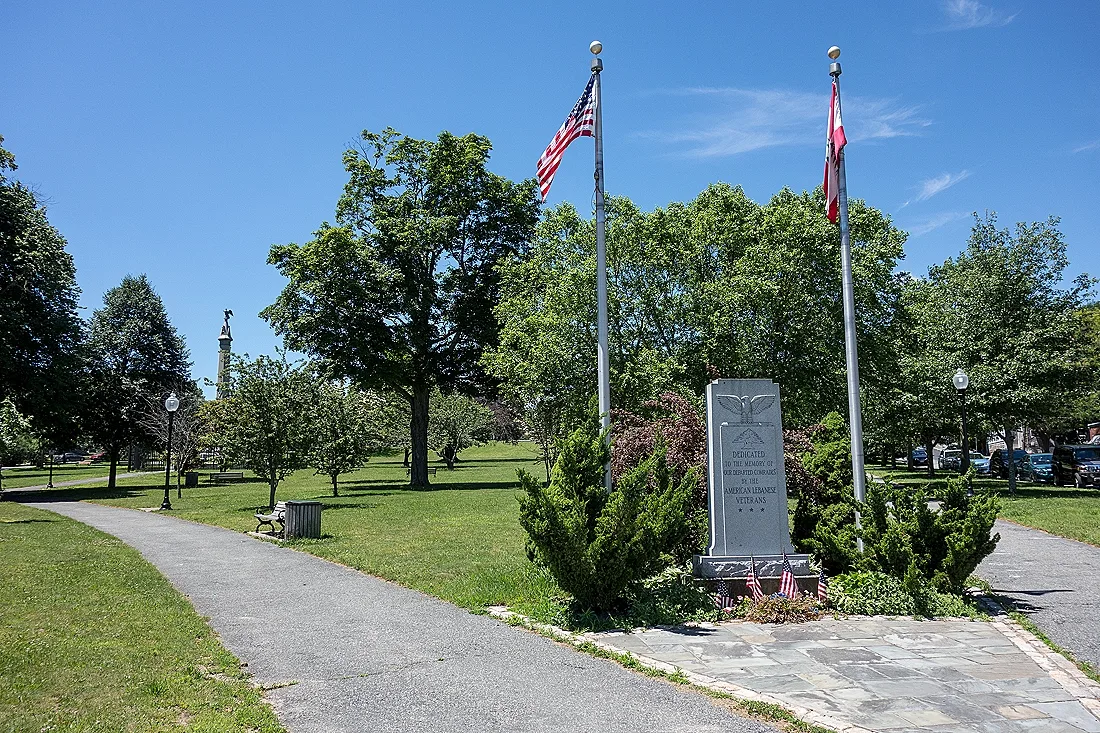
War memorials in Clasky Common Park, New Bedford, where the city remembers those who served. Photo by Kenneth C. Zirkel, CC BY-SA 4.0, via Wikimedia Commons.
They could not come home from the war as themselves, and they left their estate so that the young people who came after them could. Their obituaries, their service records and a photograph of the two of them together have yet to surface in public, and anyone who knew them can share what they remember by calling or texting the Network at 774-775-2656. Unknown: obituaries, service records and a photograph of either man
Joan Stratton of Mattapoisett, Coast Guard quartermaster
Joan Marie Stratton, known to friends as Joanie, graduated from Old Rochester Regional High School, served as a quartermaster in the U.S. Coast Guard and spent many years helping to run her father's boatyard in Mattapoisett. She was a transgender woman, and in the years after she transitioned she became one of the quiet builders of LGBTQ+ community life on the South Coast, The New Bedford Light wrote after her death in 2021. Verified
Published accounts do not say when Stratton served in the Coast Guard, where she was stationed or what rank she held. Unknown: dates, duty stations and rank of her Coast Guard service
Two weeks after she graduated from high school in 1969, the Stonewall uprising broke out in New York, and she later said it set her on a life of activism. She transitioned in 1997, The Light wrote, "at a time when there were few support services." Verified
In a 2019 interview with Andy Pollock, who leads the Network, she said she regretted having to "live (her) life wrong for the first 47 years" out of fear of discrimination and violence.
Her family stood by her, and The Light wrote that she often spoke fondly of the acceptance she found in Mattapoisett after she transitioned. Verified
Later in life she went back to school, earning a bachelor's degree in sociology from UMass Dartmouth in 2006 and a master's degree in social work from Bridgewater State University in 2008. After five years at High Point Treatment Center, she opened her own counseling practice, specializing in addiction treatment, identity issues and LGB and geriatric concerns. Verified
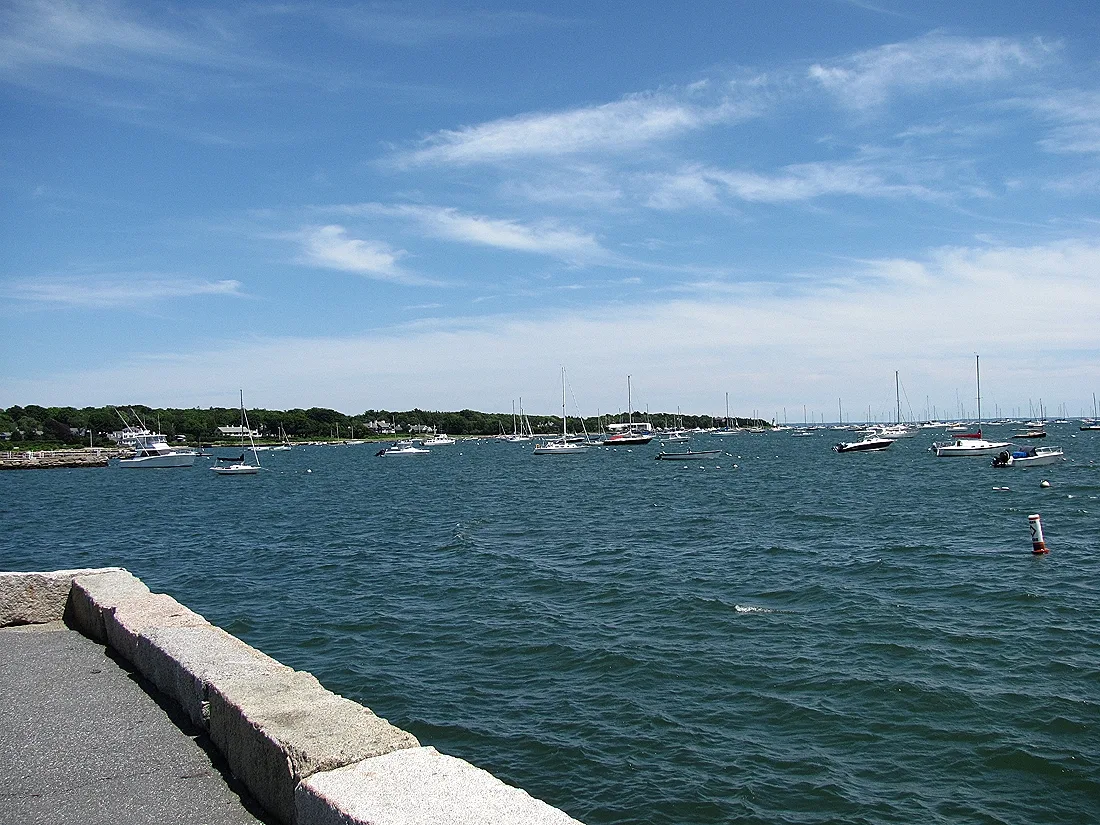
Mattapoisett Harbor, Joan Stratton's hometown waterfront. Photo by John Phelan, CC BY 3.0, via Wikimedia Commons.
Two years after the 2006 attack on Puzzles, a gay bar in New Bedford's North End, Stratton helped found Southcoast Equality, whose goal was for LGBT people in Greater New Bedford "to participate proudly in their communities." She later helped create the Pride Cafe to give people a place to meet away from the drugs and alcohol of the bar scene, and in 2014 she brought it into the downtown New Bedford space where NB AGLY, A Perfect Place, ran its drop-in center for LGBTQ+ young people. Verified
According to the Network's secretary, who spoke to The Light, Stratton was one of the organization's moving forces, even though she was never among its most public faces. "She'd always been behind the scenes. And never wanted to take the light," the secretary said. "She was about giving that light to others." Verified
Joan Stratton died at St. Luke's Hospital in New Bedford on February 12, 2021, of complications of COVID-19, at age 70, and she was survived by her daughter, her sister and her brother. Verified
Stratton served her country in uniform before she could live as herself, and then spent the rest of her life making sure others on the South Coast would not have to wait as long as she did. Anyone who served with her, worked beside her or kept a photograph of her can add to her story by calling or texting the Network at 774-775-2656.
Jeff Schmalz, Army musician, and the form he signed
Jeff Schmalz served in the Army as a musician, and after Massachusetts became the first state to let same-sex couples marry in May 2004, he and his husband, Andrew Pollock, married in New Bedford. Schmalz told the couple's story to The Standard-Times in May 2024, for the 20th anniversary of marriage equality. Verified
His time in uniform came before the policy that later became known as Don't Ask, Don't Tell. "Back then, it was before 'Don't Ask Don't Tell,' and I had to sign a document saying that I was straight," he told the paper. Verified
"It definitely postponed the development of my sexuality, but when I met Andy, I knew I had to come out, including to my family."
Schmalz left the military before he came out to his family, the paper reported, because he feared being discovered and losing his benefits. His account names a cost that rarely shows up in any record, since a veteran who leaves quietly to protect benefits leaves no discharge case behind for historians to count. Verified
After marriage equality took effect in Massachusetts on May 17, 2004, the two men applied for a marriage license that fall. Their own church would not bless the marriage, so they turned to New Bedford's Quakers, who welcomed them, and they were married at the New Bedford Friends Meeting in front of 150 guests. Verified
"It felt surreal," Schmalz said, looking back, and he told the paper that marriage for same-sex couples "wasn't anything that I ever thought was on the horizon," and that few of the couple's gay friends had married, so the two of them felt like pioneers. Friends in their late 70s and early 80s, he remembered, "were just astonished by the whole thing." Verified
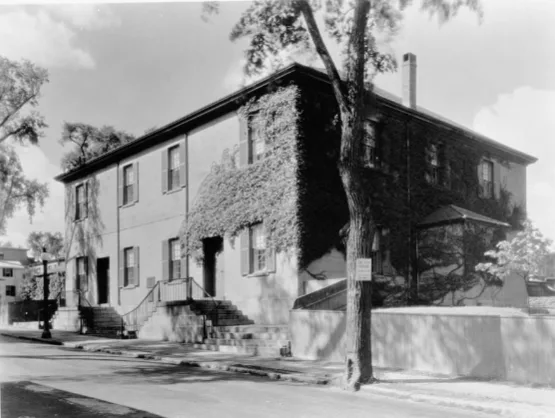
The Friends Meeting House on Spring Street, New Bedford, photographed in 1933 by Arthur C. Haskell for the Historic American Buildings Survey. Library of Congress, public domain, via Wikimedia Commons.
Pollock, who leads the South Coast LGBTQ+ Network as its executive director, told the paper about growing up in an evangelical household and coming out during the AIDS years of the early 1990s. "It was a scary time. There's always this question of safety," he said. Verified
Questions like the one Schmalz answered on paper came off the enlistment application in January 1993, when, as the Congressional Research Service summarized President Bill Clinton's announcement of January 29, 1993, the Joint Chiefs of Staff "agreed to remove questions regarding sexual orientation from the enlistment application." Congress repealed Don't Ask, Don't Tell itself in December 2010, and the repeal took effect in September 2011. Verified
His story also points to the many South Coast veterans who served under rules like these and never said so in print, and anyone who served, or who loved someone who did, can bring that story to the Network by calling or texting 774-775-2656.
Gerry Studds, Barney Frank and the ban, 1993 to 2010
When Congress argued over gay service members in 1993, two of the people on the House floor were South Coast congressmen, and between them Gerry Studds and Barney Frank represented much of the region from 1973 to 2013. Studds became the first openly gay member of Congress in 1983, when, as the House weighed discipline over a sexual relationship he had in 1973 with a 17-year-old male congressional page, he acknowledged on the House floor that he was gay, and on July 20, 1983, the House censured him by a vote of 420 to 3. Frank, in 1987, became the first member to come out on his own. Neither man served in the military, so their part in this history is the speeches and the votes. Corroborated
When Studds was first elected in 1972, his district took in New Bedford, the Associated Press reported, and under the district lines drawn for the 1992 election the city was in Frank's district, where it stayed until redistricting moved it out of his district in 2013. CorroboratedUnknown: which district held New Bedford from 1983 to 1992
Long before most of his colleagues would touch the issue, Studds took it up, and the Associated Press reported in 2006 that he was among the first members of Congress to back lifting the ban. His biographer's publisher, the University of Massachusetts Press, credits him with "leading the effort in Congress to allow gays and lesbians to serve in the military." The Servicemembers Legal Defense Network said in a statement carried in the AP's story that he was instrumental in getting a 1989 Defense Department report released over efforts to suppress it, a report that concluded "sexual orientation is unrelated to job performance in the same way as is being left- or right-handed." Corroborated
On September 28, 1993, the House debated the defense bill that would write the military's policy into law, and Representative Marty Meehan of Massachusetts offered an amendment to strike that language. Studds rose to support it, telling the chamber that the committee's wording would commit the House to "a policy of overt discrimination supported by nothing more than naked prejudice." Verified
"We will not win this battle here today. The fundamental question is not even before us today. But these struggles are never won quickly or easily. And the ultimate outcome is in no doubt whatsoever."
The Meehan amendment failed that day, 169 to 264 in a recorded vote, according to the Congressional Record. Verified
Frank had tried a different path that spring, and in May 1993, The Christian Science Monitor reported, he offered a compromise that might be summed up as "don't ask, don't tell, don't investigate," under which gay troops would stay private on duty but could live openly off base without losing their jobs. Gay rights activists criticized him for settling for less than the full end of the ban that President Clinton had promised, and Frank answered that the mood in Congress was running hard the other way. Corroborated
In its 2026 obituary of Frank, the Associated Press wrote that he "pressed the Democratic Clinton administration, unsuccessfully, to lift a ban on gays serving in the military." Verified
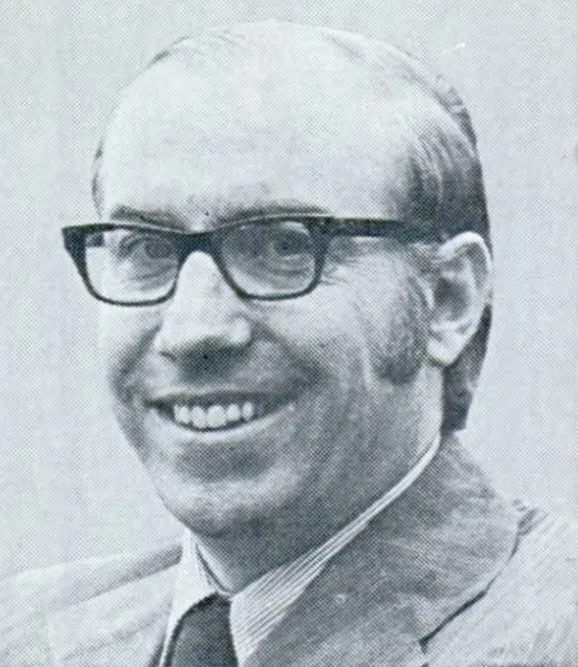
Representative Gerry E. Studds of Massachusetts, from an official congressional directory portrait. U.S. Congress, public domain, via Wikimedia Commons.
Seventeen years later, the outcome Studds predicted arrived, when on December 15, 2010, the House voted 250 to 175 to repeal Don't Ask, Don't Tell, and Frank voted yes, along with every other Massachusetts member and both Rhode Island members. Three days later, on December 18, the Senate passed repeal 65 to 31, with yes votes from John Kerry and Scott Brown of Massachusetts and Jack Reed and Sheldon Whitehouse of Rhode Island. Brown, a Republican, was then serving in the Massachusetts Army National Guard. Verified
Studds died in Boston on October 14, 2006, four years before the vote, and Frank died in May 2026 at age 86. Verified
The paper trail of those years sits close to home, at UMass Dartmouth, where the Claire T. Carney Library keeps Frank's congressional papers, including records from his district offices in Taunton and New Bedford. The library lists gay rights and military spending among the national issues the collection covers, and its reading room is open by request. Verified
What those boxes hold on the military ban, folder by folder, still waits for a researcher's visit. Unknown: folder-level holdings on the military ban in the Frank papers
Jay Lindsay, Associated Press, obituary of Gerry Studds, October 2006, as published by Dallas Voice (district taking in New Bedford, the South Shore, Cape Cod and the Islands), https://dallasvoice.com/?p=21849
Wikipedia, "Barney Frank" (1982 redistricting into a South Coast district that included Fall River and New Bedford; coming out on May 30, 1987), https://en.wikipedia.org/wiki/Barney_Frank
Polidata, "Presidential Election, 1992, Districts of the 103rd Congress," Massachusetts district summary (MA 4, Frank: "Boston Suburbs-Newton; New Bedford; Fall River"; MA 10, Studds: "South Shore-Cape Cod; Islands"), https://polidata.org/pub/reports/259292a.pdf
Congressional Quarterly, Congress and the Nation, vol. 6, 1981 to 1984 (House ethics committee finding of a 1973 relationship with a 17-year-old male page), Internet Archive record, https://archive.org/details/congressnation06cong
Warwick, Rhode Island, and Provincetown, 2010 to 2023
Barbara Humma, Peter Donnelly and Clifton Arnesen in their own words
Some of the clearest first-person accounts from LGBTQ+ veterans near the South Coast come from just over the line, in Rhode Island and on Cape Cod, along with the oral history of a Massachusetts veteran who once led a New England veterans' group. All three told their stories on the record, in a published interview or an oral history. Verified
Barbara Humma of Warwick, Rhode Island, joined the Navy in 1976 at 22, while she was in nursing school in California, and served until 1985. Her uncles had served in the Navy, and she saw the service as a chance to build her career. She worked as a hospital corpsman, giving physicals to Marines about to ship out, and later as an operating room technician, The Rainbow Times reported in December 2010. Verified
When her recruiter asked whether she was homosexual, she said no. "I said no but I knew I was lying," she told the paper, and she kept her orientation to herself for nine years in uniform. She spoke up as Congress weighed repeal, and she said of gay and lesbian service members, "They're all equal." Asked about her own service, she answered, "I would do it again." Verified
Peter Donnelly of Provincetown served in the Navy from 1982 to 1986 as a diver stationed in Sardinia, checking submarines. Speaking to Provincetown Magazine for Veterans Day in 2023, he described what that time was like for a young gay sailor. "And being gay, I felt closed in," he said, and he added that before Don't Ask, Don't Tell, "it was 'Hide.'" Verified
Clifton Francis Arnesen Jr., a Massachusetts veteran whose oral history is held by the Library of Congress, enlisted in the Army in 1965 at 17 to escape an abusive father. When he came under investigation, he said that he was gay and was accused of lying to avoid Vietnam, and he was dishonorably discharged in January 1967. Oral history
In the years that followed, Arnesen worked for other veterans, and the Library of Congress says he became president of the New England Gay, Lesbian and Bisexual Veterans in 1988, testified before Congress in 1989 about his experiences as a bisexual veteran, and marched in Boston's St. Patrick's Day Parade in 1992, where he recalled receiving hateful treatment. Oral history
"I really wanted to be a soldier, I was proud to be a soldier, but I couldn't live with a lie."
Humma's recruiter asked a question she could answer only with a lie, and all three describe years of service carried out in silence. None of the three is known to have lived in our towns, and the published record still holds more voices from our neighbors than from our own cities. Unknown: first-person published accounts by LGBTQ+ veterans from the South Coast towns themselves
The Veterans Equality Review Board, and where South Coast veterans can turn
Governor Maura Healey swore in the five members of a new state panel, the Veterans Equality Review Board, on September 20, 2023, twelve years to the day after the repeal of Don't Ask, Don't Tell took effect. Its job is to review applications from veterans who believe they received an "other than honorable" discharge because of their sexual orientation, gender identity or gender expression, and to recommend whether they should receive state veterans' benefits. Verified
Lawmakers created the board in the state's fiscal 2023 budget, and its members serve five-year terms, with three appointed by the secretary of veterans services and two by the governor. Veterans could apply online, the state said, through the Executive Office of Veterans Services, whose website lists the documents an application needs. Verified
"The creation of the Veterans Equality Review Board underscores our commitment to righting the wrongs of the past and supporting LGBTQ+ veterans who have served our nation with pride and honor," Healey said that day. Verified
"Twelve years after the repeal of Don't Ask, Don't Tell, the unfortunate truth is that many service members are still impacted by this policy and many of them call Massachusetts their home."
Those words came from state Senator John Velis, who sponsored the board in the budget and was then the Senate chair of the Legislature's Joint Committee on Veterans and Federal Affairs. In June 2024 the governor's office described the board as "the first state-level appointed board in the country" of its kind. Verified
Rhode Island, across the line from Fall River and Westport, had acted four years earlier. In June 2019 it enacted a law to streamline upgrades to "honorable" for veterans discharged solely because of sexual orientation, gender identity or gender expression, opening state and local benefits such as certain tax exemptions and tuition help, NBC News reported. Governor Gina Raimondo held a ceremonial signing that November, saying, "if you're a veteran who's served, you oughta be eligible for veterans benefits that the state provides." Verified
Healey signed the HERO Act on August 8, 2024, a law the state described as the most far-reaching veterans' measure in Massachusetts history, with more than 30 provisions reaching "thousands of LGBTQ+ veterans" among others. One provision widened the board's reach to discharges related to military sexual trauma, post-traumatic stress, traumatic brain injury, mental health conditions or HIV. GBH News reported that in the board's first year five veterans applied and four were approved, and that under the new law veterans with an "other than honorable" discharge "just became automatically eligible" for state benefits. "This is a very new thing, and getting the word out about it is challenging," an advocate at Boston-based Veterans Legal Services told GBH. Verified
Massachusetts cities and towns deliver the state's Chapter 115 veterans' benefits through local veterans' services offices, so a South Coast veteran can start in their own city or town. Fall River's office, at One Government Center, Room 410 (508-324-2432), describes itself as a liaison "between veterans and the state and federal veterans' agencies." Corroborated
In Fairhaven, the VA's New Bedford Vet Center sits at 73 Huttleston Avenue and offers counseling for veterans and their families, and its page says that any veteran or service member who "experienced military sexual trauma is eligible to receive counseling," whatever the era of service. Verified
On their Veteran Care Coordinators pages, last updated in August 2026 and checked November 10, 2026, VA Providence Health Care says it "maintains the confidentiality of information about sexual orientation, and sexual behavior," and VA Boston says the same. VA Boston adds that there are "established procedures for changing your name and sex with the VA Privacy Officer," which can matter to transgender veterans whose records still carry an old name. Verified
How many of the board's applicants came from the South Coast, and how many local veterans have had benefits restored, has not been published in the state, VA or news sources searched. Unknown: applications and outcomes for South Coast veterans
Fort Rodman and the gaps in the South Coast record
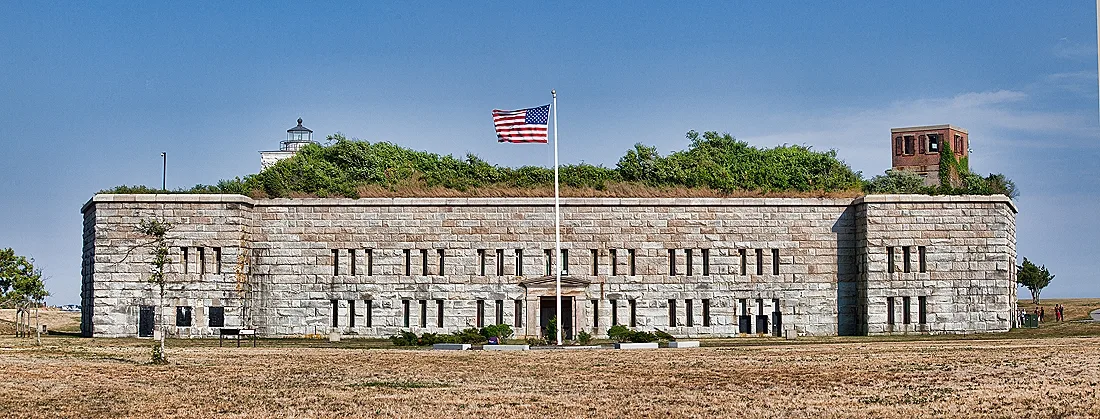
At Clark's Point in New Bedford, the stone fort that the Army garrisoned in 1863 and named Fort Rodman in 1898 guarded the harbor through two world wars. The 23rd Coast Artillery manned the harbor defenses there from February 1940 to October 1944, and in 1946 the fort was disarmed and turned over to the Commonwealth. Today the City of New Bedford owns Fort Taber Park, and a volunteer association runs the Fort Taber Fort Rodman Military Museum in the post's old exchange building. Corroborated
The stone fort at Fort Taber Park, New Bedford, known to the Army as Fort Rodman. Photo by Kenneth C. Zirkel, CC BY-SA 3.0, via Wikimedia Commons.
Generations of young people from our towns have worn the uniform at posts from Fort Rodman to the Naval Training Station in Newport. Some of them were surely gay, lesbian, bisexual or transgender, as people have always been, but for most of that history the rules kept them from saying so, and the written record of who they were is thin.
On November 10, 2026, our researchers searched The Standard-Times at SouthCoast Today, the Herald News, The New Bedford Light, Fall River Reporter, New Bedford Guide, Coastline, Bay Windows, The Rainbow Times, Provincetown Magazine, the Library of Congress Veterans History Project and published obituaries for LGBTQ+ veterans from the South Coast. Verified
The record those searches turned up names George Whittaker of New Bedford, a World War II veteran whose estate still funds LGBTQ+ young people here, Joan Stratton of Mattapoisett, a Coast Guard veteran and transgender woman who helped build the region's LGBTQ+ groups, and Jeff Schmalz, an Army veteran who married in New Bedford after Massachusetts opened marriage to same-sex couples in 2004. It holds the votes and speeches of two openly gay congressmen who represented the region, and the accounts of neighbors in Warwick, in Provincetown and elsewhere in Massachusetts. Verified
Missing from that record is any published first-person account by a South Coast service member discharged under the ban, before 1993 or under Don't Ask, Don't Tell, and of the three South Coast veterans above, only Jeff Schmalz has described his own time in uniform in print, and then only briefly. Nor does it hold any coverage of an LGBTQ+ veterans' contingent at a Pride celebration in our cities. Unknown: local discharge cases, first-person accounts of service and veterans at local Pride events
Several archives that may hold more have not yet been searched, among them the Barney Frank papers at UMass Dartmouth, the Fort Taber Fort Rodman Military Museum, the New Bedford Free Public Library, the New Bedford Whaling Museum research library and the Fall River Historical Society, and letters to their staff are being drafted. Unknown: holdings of local archives not yet searched
Many veterans' stories also live in places that no search engine reaches, in a family obituary that names a husband or a wife, in a discharge paper kept in a drawer or in a photograph from a base dance. Whatever turns up in them can still join the public record as it comes in, with credit and with the consent of the people involved.
Searches run Nov. 10, 2026, on southcoasttoday.com, heraldnews.com, newbedfordlight.org, fallriverreporter.com, newbedfordguide.com, coastlinenb.org, baywindows.com, therainbowtimesmass.com, provincetownmagazine.com, the Library of Congress Veterans History Project and online obituary listings (search log on file with the museum)
LGBTQ+ veterans from the South Coast can call or text the Network at 774-775-2656 to put their service on the record. The people who loved them can call too, including husbands and wives, partners, children, parents and the friends who kept their secrets, and families who are holding letters, discharge papers or photographs. When you call, ask about the museum.
You can tell us about a parent who served in Korea, a partner who came home from Vietnam, a friend who was put out of the Navy in the 1980s or your own years under Don't Ask, Don't Tell. You can also tell us about serving openly since 2011, about serving as a transgender person, or about veterans who are still waiting for the record to be set right.
Anyone who shares a story this way is covered by the Network's consent rules.
A yes to an interview covers the conversation only, and quoting you or publishing what you said each needs its own yes.
How you are named is your choice, by your full name or by a description you approve, such as "a Fall River Navy veteran," and that choice can change later.
The full draft comes to you before anything goes up, with at least seven days to read it, and any part of it, or all of it, can be fixed, cut or pulled.
A photo needs its own separate yes, and it covers only this exhibit unless you agree to more.
For a veteran who has died, the museum asks the family and the people the veteran chose as family before anything is shared.
A change of mind is welcome at any time, including after your story is shared, and the Network has never refused a request to take a story down.
The South Coast people in these rooms are named because they said so in print or on the public record, or because a published obituary or tribute written for them did, and the historical rooms report what historians and the records of the time say, in their words.
If you served and are struggling, you can call 988 and press 1 to reach the Veterans Crisis Line at any hour. LGBTQ+ young people can reach the Trevor Project at 1-866-488-7386 or by texting START to 678-678, and the Network's own line, 774-775-2656, is open to every veteran and family.
Sources
South Coast LGBTQ+ Network, source consent and media release protocol
South Coast LGBTQ+ Network program record, phone line

 Museum