For forty years, an openly gay congressman spoke for this coast.
Who Gerry Studds & Barney FrankFor New Bedford, Fall River & the South CoastWhen 1973–2013
Chapter 0
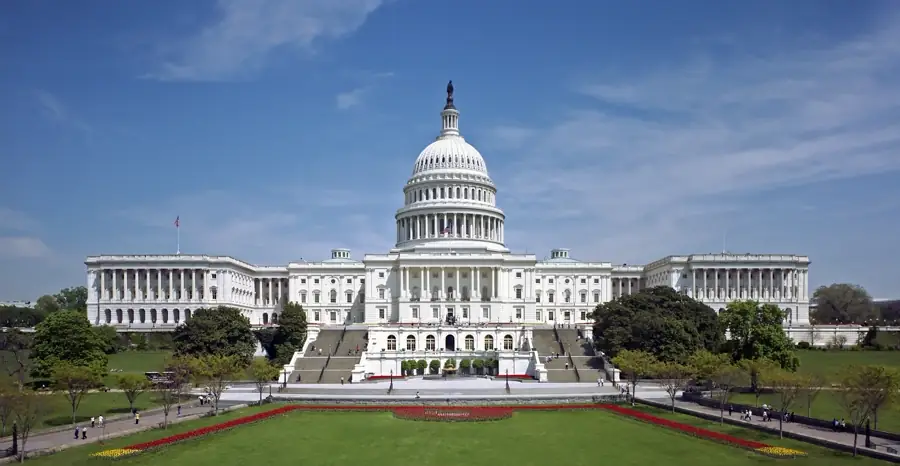

The west front of the United States Capitol, home of the Congress that Gerry Studds and Barney Frank served for four decades. Architect of the Capitol; derivative edit by Wikimedia user Ottojula. Public domain.
Two men, one coast
From 1973 to 2013, the people of New Bedford were represented in the United States Congress by an openly gay man, first Gerry Studds, then Barney Frank, for forty years without a break.
This was a working fishing and mill region, not a place anyone expected to lead the country on gay rights. And yet two of the most consequential openly gay figures in American political history answered to this coast's voters, fought for its fishermen and mills, and changed the nation while they did it.
Chapter I
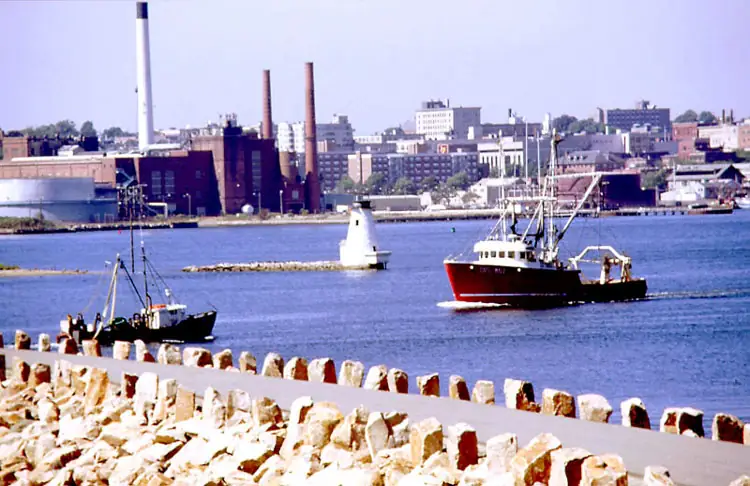
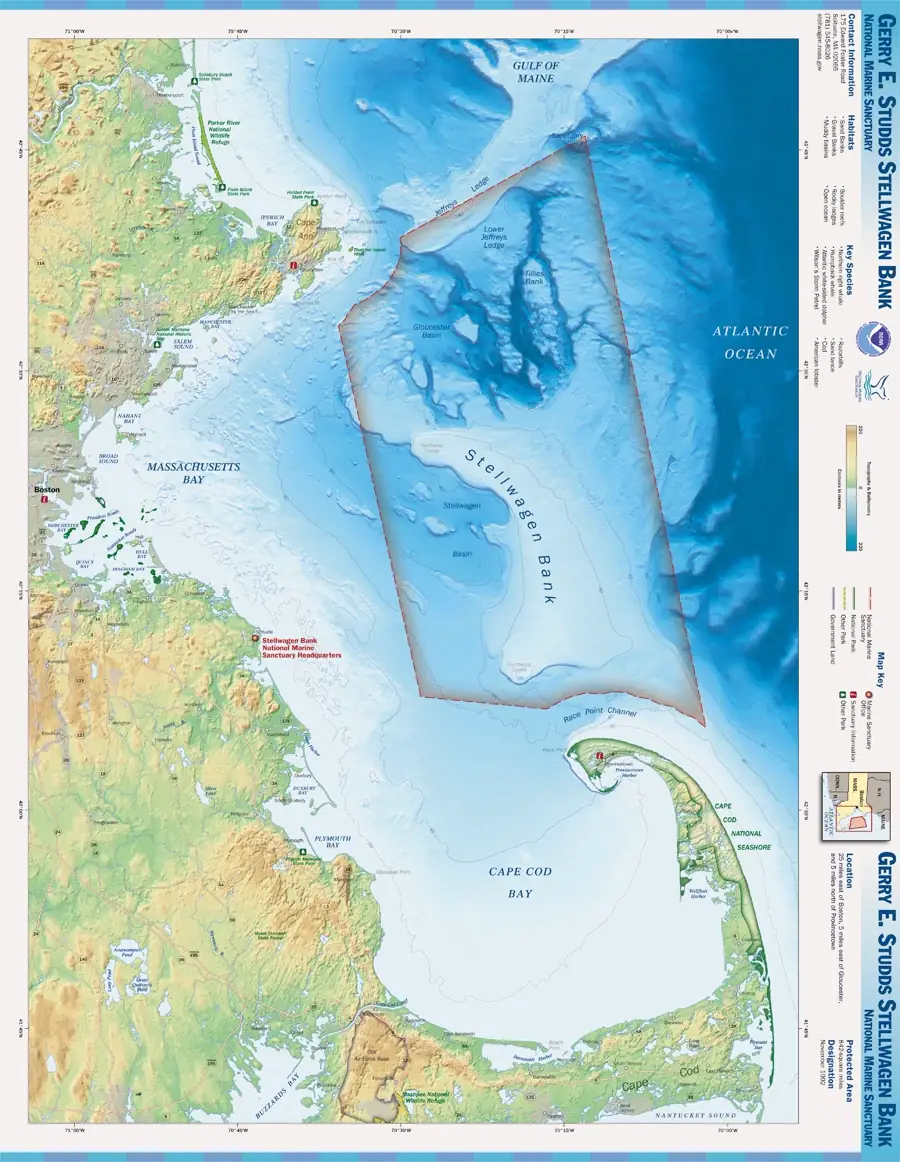
A panorama of the Port of New Bedford, the working fishing harbor whose voters sent Studds and then Frank to Washington. Gerry Dincher, via Flickr, CC BY-SA 2.0. CC BY-SA 2.0.New Bedford seen from its harbor, the mill-and-fishing city at the center of Studds' first district. C. Pesch, U.S. Environmental Protection Agency. Public domain.A NOAA map of Stellwagen Bank National Marine Sanctuary, the New England waters later renamed for Gerry Studds. NOAA, National Marine Sanctuaries. Public domain.Sunset over the Stellwagen Bank sanctuary, the protected ocean that carries Gerry Studds' name. Anne Smrcina, NOAA. Public domain.
Gerry Studds: the port's congressman
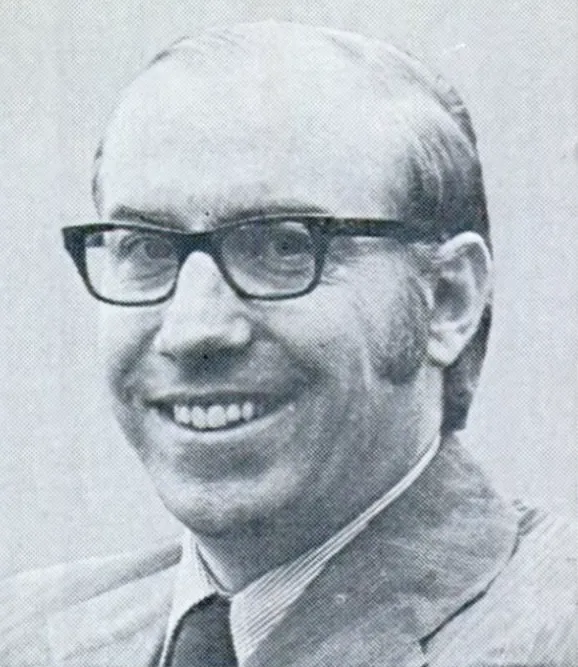
Gerry E. Studds. U.S. Congress, public domain.
Gerry Studds was elected to the U.S. House in 1972, the first Democrat to win the seat in roughly half a century, and he won that first race by just 1,118 votes. He learned Portuguese to speak with the immigrant families who powered New Bedford, and he represented the city from 1973 to 1983 before redistricting shifted his territory toward the South Shore, Cape, and Islands.
His fisheries law still pays the port back: New Bedford has been the most valuable fishing port in the United States for more than twenty straight years, landing $443 million worth in 2022, most of it sea scallops. Verified
His legacy is written into the ocean this region lives by. He was a lead House author of the 1976 law that established the 200-mile fishing limit protecting American fishermen, and of the Oceans Act of 1992. Stellwagen Bank, designated in 1992 as New England's first national marine sanctuary, was renamed the Gerry E. Studds Stellwagen Bank National Marine Sanctuary in his honor in 1996.
Verified New Bedford representation 1973–1983. Corroborated the district roster across redistricting.
Sources: U.S. House biographical record; NOAA (sanctuary renaming, 1996). Exact town rosters across the 1982 redistricting to be confirmed from primary maps.
Chapter II
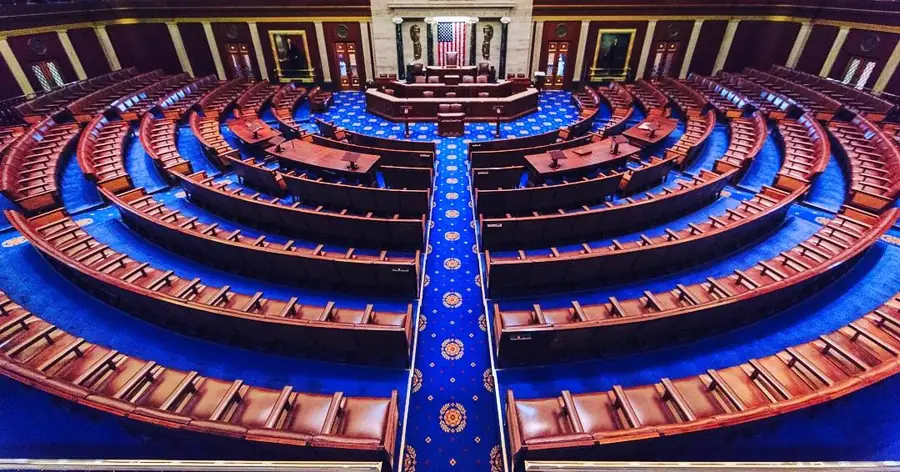
The chamber of the U.S. House of Representatives, where Studds rose to acknowledge he was gay and where Frank served thirty years. Office of the Speaker of the U.S. House of Representatives. Public domain.
Studds steps into the light
On July 20, 1983, the House of Representatives censured Studds, by a vote of 420 to 3, over a relationship a decade earlier with a 17-year-old congressional page. In the wake of it, Studds stood and acknowledged that he was gay, becoming the first openly gay member of Congress. We record this plainly: the censure and the coming-out are both part of the history, and neither is the whole of the man.
He continued to win his district's elections for another fourteen years. In 2004, a week after Massachusetts became the first state to legalize same-sex marriage, he married his longtime partner.
In memory
Gerry E. Studds
1937–2006 · the first openly gay member of Congress
After his death in 2006, the federal Defense of Marriage Act denied his surviving husband the pension a spouse would receive. His widower became a plaintiff in the legal fight that helped bring DOMA down.
Verified
Sources: Congressional Record (1983 censure); U.S. House records; reporting on the 2004 marriage and the DOMA litigation. Censure date (July 1983) being confirmed against the Congressional Record.
Chapter III
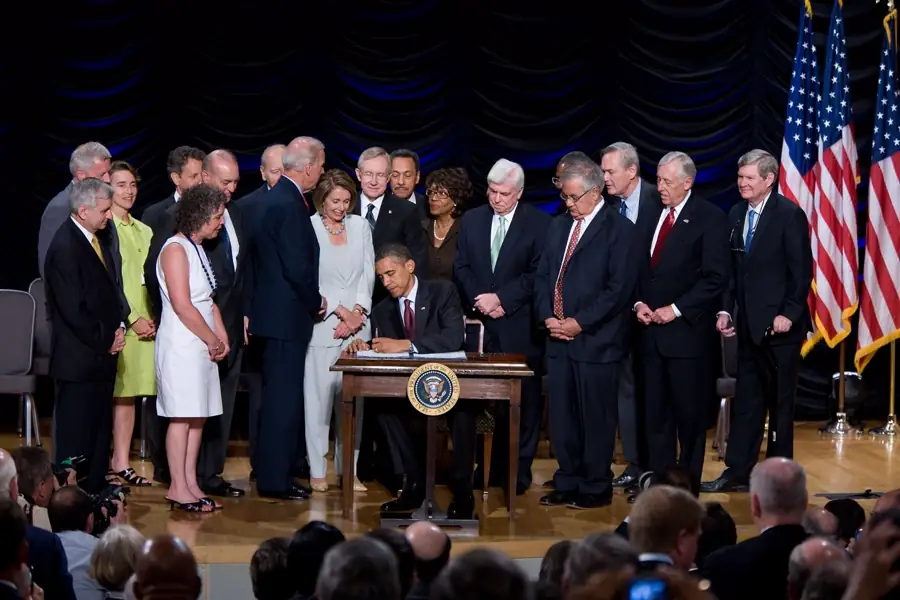
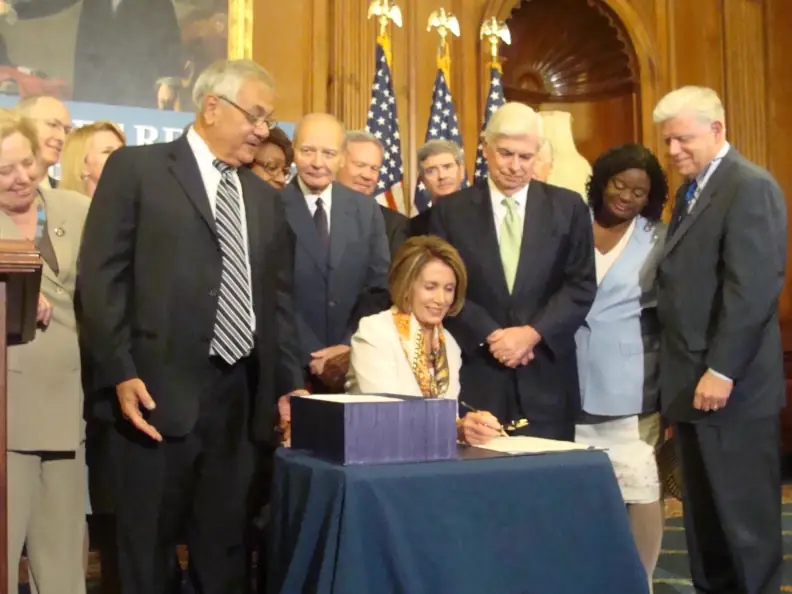
President Obama signs the Dodd-Frank Wall Street Reform and Consumer Protection Act on July 21, 2010, the financial-reform law Barney Frank co-authored. Official White House photo by Lawrence Jackson, via Nancy Pelosi on Flickr, CC BY 2.0. CC BY 2.0.House leaders and committee chairs at the Capitol enrollment ceremony for the Wall Street Reform and Consumer Protection Act, July 15, 2010. Office of Speaker Nancy Pelosi, via Flickr, CC BY 2.0. CC BY 2.0.
Barney Frank's district
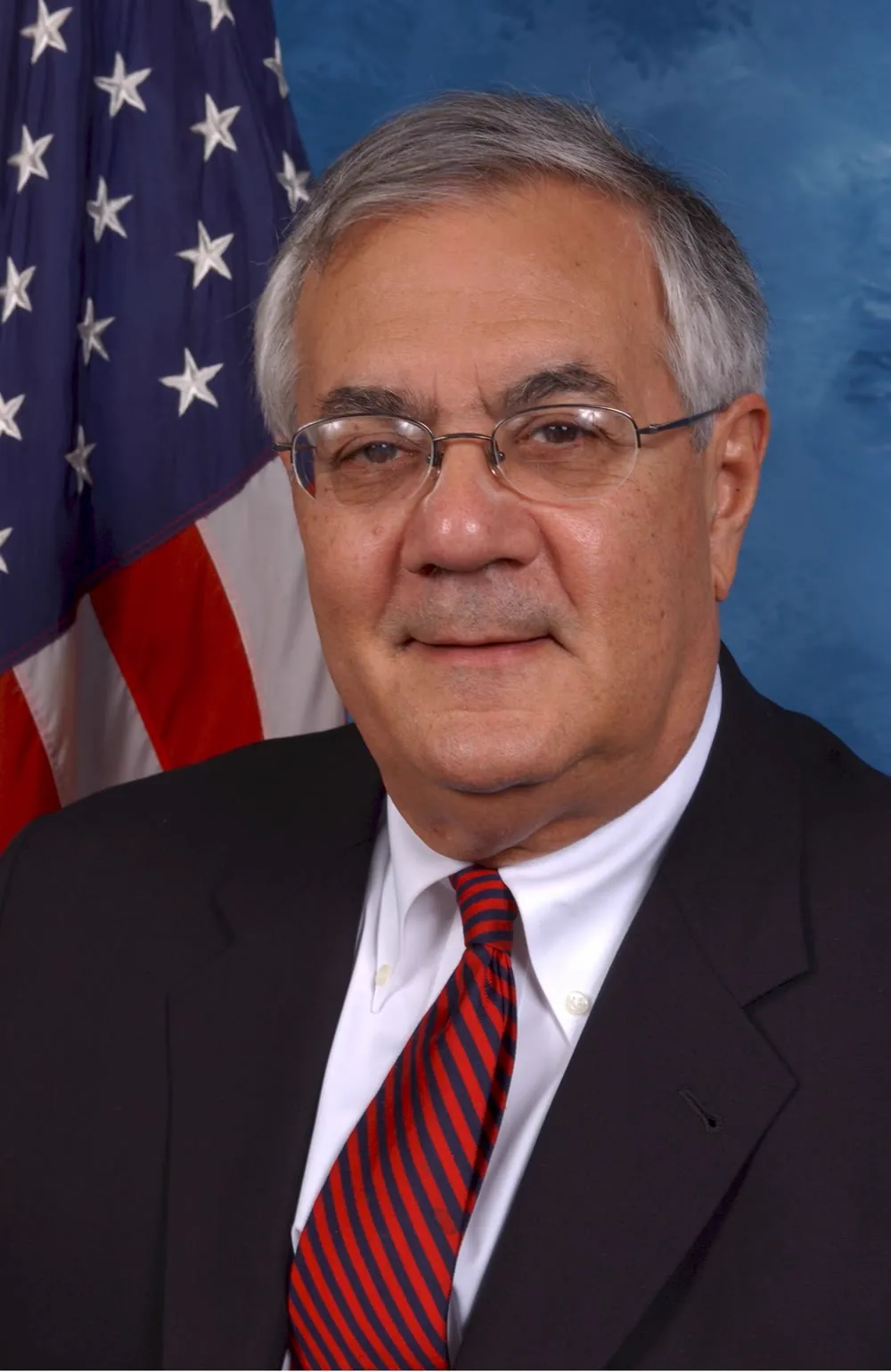
Barney Frank. U.S. House of Representatives, public domain.
Barney Frank entered the U.S. House in 1981. After the 1982 redistricting drew New Bedford and Fall River into his Fourth District, he won the seat and represented this coast from 1983 until his retirement in 2013, a tenure that ended when the 2012 redistricting moved New Bedford out of his district. He died in May 2026.
On May 30, 1987, Frank came out, the first member of Congress to do so voluntarily. He went on to become one of the most influential legislators of his era, lead House author of the 2010 Dodd-Frank financial-reform law. In 2012 he married his husband, becoming the first sitting member of Congress in a same-sex marriage.
I'm a left-handed gay Jew. I've never felt, automatically, a member of any majority.
Barney Frank
In memory
Barney Frank died in May 2026, at the age of 86. He represented this coast for thirty years and helped change the country. We hold his memory here with respect.
Verified his career, his South Coast representation, and his passing.
Sources: U.S. House records; Boston Globe (coming out, 1987; obituary, 2026).
Chapter IV
The United States Capitol in 2024, a recent high-resolution view of the building where this coast's representatives worked. Wikimedia Commons user 颐园居, CC BY-SA 4.0. CC BY-SA 4.0.
Forty years represented
Put the two careers end to end and the fact is remarkable: from 1973 to 2013, New Bedford was represented in Congress by an openly gay man for forty consecutive years. Studds handed the coast, in effect, to Frank.
It is easy to tell American LGBTQ+ political history through Washington, New York, or San Francisco. But for four decades, the through-line ran through a fishing port and a mill city on the Massachusetts South Coast, whose voters kept sending these men back. That is the story this exhibit insists on keeping.
40
consecutive years (1973–2013) New Bedford was represented by an openly gay congressman
2
congressmen: Studds, then Frank
1st
Studds was the first openly gay member of Congress
Verified
Chapter V
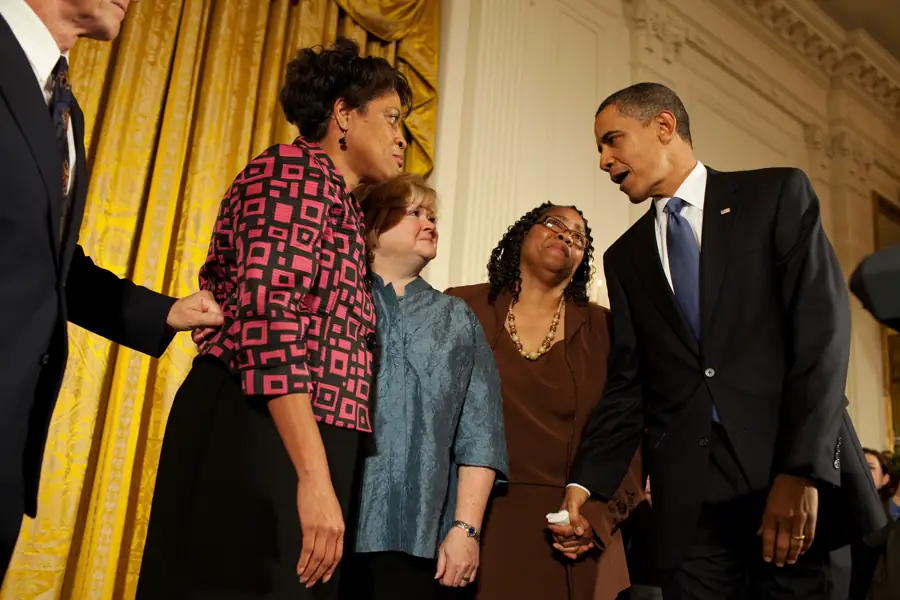
President Obama greets Judy Shepard and the sisters of James Byrd Jr. at the White House on October 28, 2009, the day the hate-crimes act became law. Official White House photo by Pete Souza. Public domain.
The archive at home
This history is not only in Washington. It is held here, on the South Coast. The Barney Frank Collection (MC143) lives in the Archives and Special Collections of the Claire T. Carney Library at UMass Dartmouth: four hundred linear feet of records spanning 1973 to 2013, given by the congressman in 2012.
Inside the collection
Two parts of the collection make it extraordinary for this museum. The LGBTQ legislative files (1983–2008) hold his work on AIDS policy, the long fight over Don't Ask, Don't Tell, the Employment Non-Discrimination Act, the Defense of Marriage Act, the Matthew Shepard hate-crimes law, and his own essays. The New Bedford district files (1976–2010) hold the local record: the harbor PCB cleanup, the creation of the New Bedford Whaling National Historical Park, factory closures, the Cape Verdean and Azorean communities, the 2007 immigration raid, and the fishing fleet.
The whole story of this coast, and of a movement, is sitting in 400 feet of boxes at the local library.
From the museum's research notes
Materials pending
With the library's permission, we hope to feature digitized items from MC143 here. We are requesting the finding aid and a list of LGBTQ+ and New Bedford holdings.
Verified the collection exists at UMassD. Verifying its full extent and item-level holdings.
Source: UMass Dartmouth Archives & Special Collections finding aid, Barney Frank Collection MC143.
Chapter VI
Timeline
1972–1973
Studds elected
Gerry Studds wins the seat and begins representing New Bedford.
Verified
1976
The 200-mile limit
Studds is lead House author of the landmark fisheries law protecting American waters.
Verified
July 1983
Studds comes out
After a House censure, Studds becomes the first openly gay member of Congress.
Verified
1983
Frank inherits the coast
Redistricting brings New Bedford and Fall River into Barney Frank's district.
Verified
May 30, 1987
Frank comes out
Frank becomes the first member of Congress to come out voluntarily.
Verified
1996
The Studds sanctuary
The Stellwagen Bank marine sanctuary is renamed for Gerry Studds.
Verified
2004 · 2006
Studds marries, then dies
Studds marries his partner after Massachusetts legalizes marriage; he dies in 2006.
Verified
2012–2013
Frank marries, then retires
Frank marries his husband (a first for a sitting member); he retires in 2013 as New Bedford leaves his district.
Verified
Chapter VII
How we know, and what we are still confirming
Exact district town rostersVerifying
From the primary redistricting maps of 1982 and 2012.
The Barney Frank Collection's extentVerifying
The finding aid, linear footage, and item-level LGBTQ+ and New Bedford holdings, from UMassD Archives.
The 1983 censure dateConfirming
Against the Congressional Record.
If you have a piece of this
Campaign materials, district-office letters, photographs, a memory of meeting either congressman? We would be glad to keep it.
Key sources: U.S. House biographical records; the Congressional Record; NOAA; the Boston Globe; UMass Dartmouth Archives (MC143). Full citations are held in the museum's research record.

 Museum