A law once banned queerness from the stage. A century later it won the Pulitzer.
Span 1890s–todayStages The West End, Broadway, Off-BroadwayReach Strong on US/UK, with global gaps marked
Chapter 0
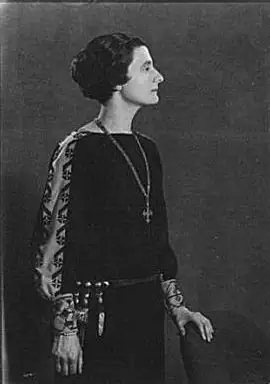
Mercedes de Acosta, the openly queer poet, playwright and screenwriter of the early twentieth century, photographed by Arnold Genthe. Photo by Arnold Genthe, after 1919. Library of Congress (digital ID agc.7a08461), via Wikimedia Commons. Public domain in the US.. Public domain.
Curtain up
The story of queer theater is a single arc: suppression, then code, then visibility, then the mainstream, then a multiplicity of race, gender, and form. A censorship law forced queerness into subtext; the same themes it banned now win the Pulitzer Prize.
We follow that arc from Oscar Wilde's trials, through the decades when the law in New York literally outlawed "sex perversion" onstage, to the AIDS plays that fused theater and activism, to a fat, Black, queer musical that won both the Pulitzer and the Tony, organized room by room so you can take it one stage at a time.
A note on who and what we claim
We describe historical figures with documented self-identification or scholarly consensus, and we flag debate. Some landmark queer works were written by straight allies, Mae West, Lillian Hellman, Jonathan Larson, and we say so rather than claim them. Living writers appear on public, documented facts only. Production photographs and posters are almost all in copyright; the portraits shown here are public-domain or Creative Commons images, credited. Period slurs in the historical record ("degeneracy," "perversion") are quoted in context, never normalized.
Chapter I
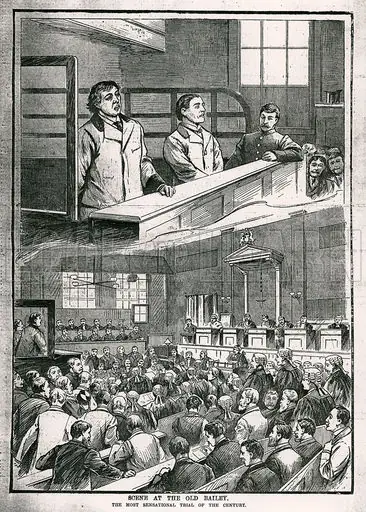
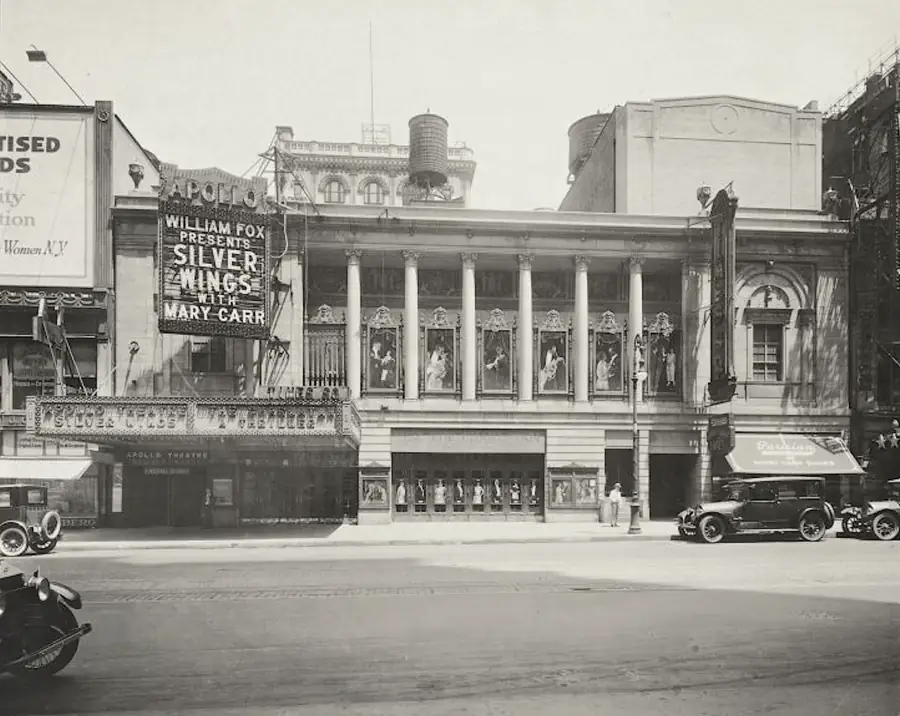
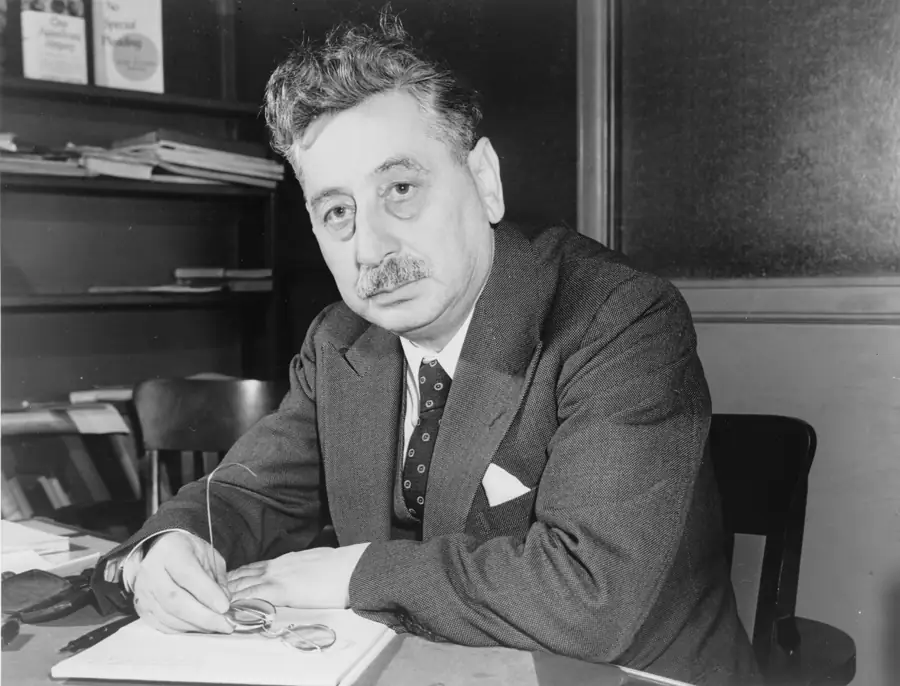
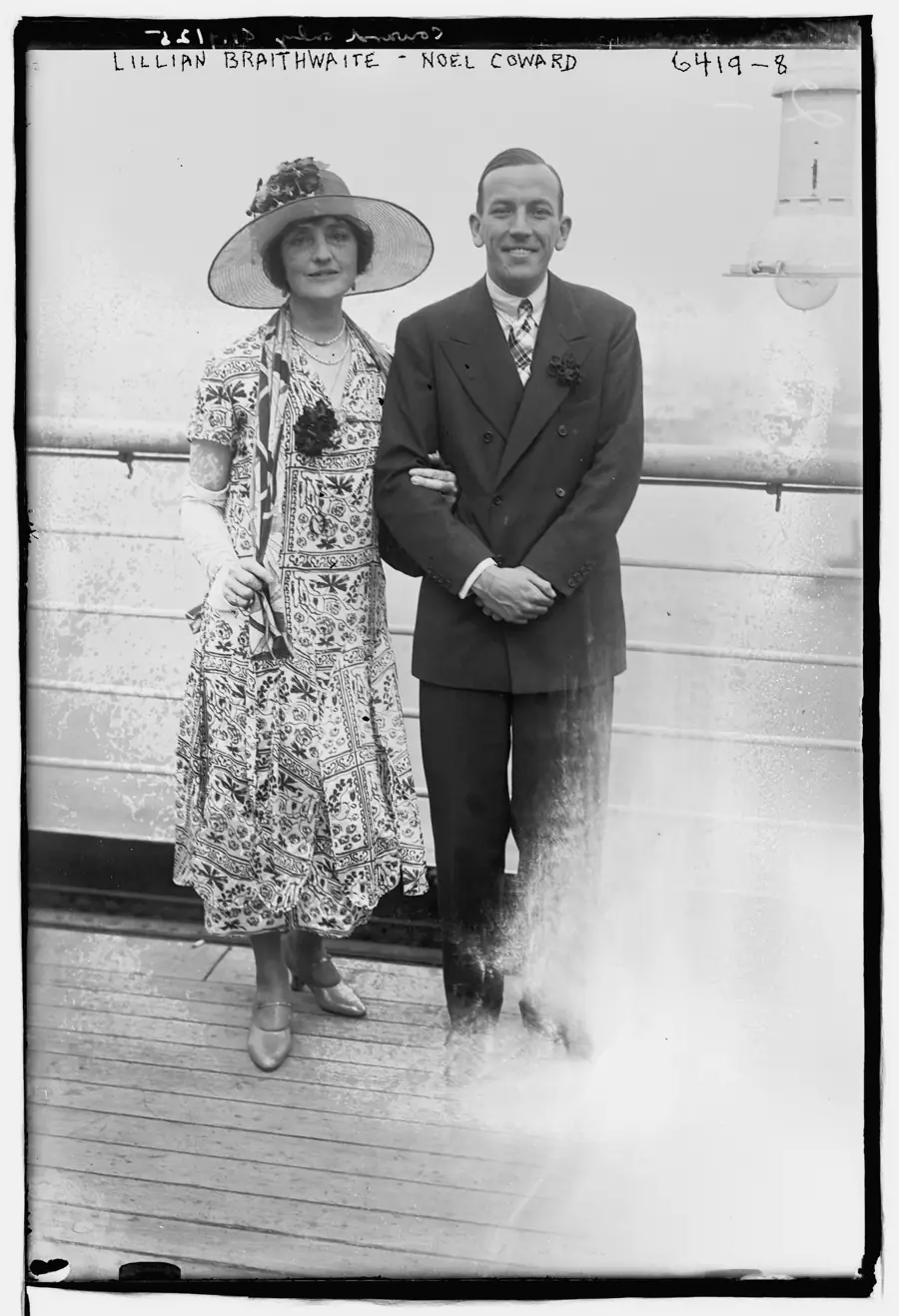
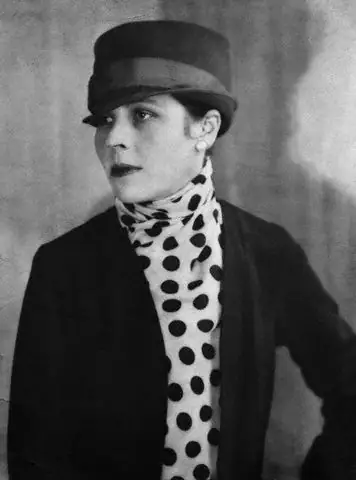
Scene at the Old Bailey during the most sensational trial of the century, Oscar Wilde, as engraved in The Illustrated Police Budget, 1895. The Illustrated Police Budget, 1895. Public domain, via Wikimedia Commons.. Public domain.The Apollo Theatre on West 42nd Street in 1922, the New York stage where The God of Vengeance was prosecuted for obscenity in 1923. Photograph by Wurts Brothers, 1922, via New York Public Library and Wikimedia Commons. Public domain.. Public domain.Sholem Asch in 1940, the Yiddish-language playwright whose The God of Vengeance brought a lesbian relationship to a Broadway stage in 1923. Photo by Al Aumuller, 1940, World-Telegram staff. Library of Congress, via Wikimedia Commons. Public domain.. Public domain.Noel Coward with actress Lillian Braithwaite, 1925. The English playwright was a defining stage wit of the coded mid-century era. Bain News Service, 1925. Library of Congress, via Wikimedia Commons. Public domain.. Public domain.Djuna Barnes around 1921, the modernist writer of the Paris lesbian literary circle whose work shaped queer literary culture. Unknown photographer, circa 1921. Public domain, via Wikimedia Commons.. Public domain.
Scandal & the coded stage (1890s–1920s)
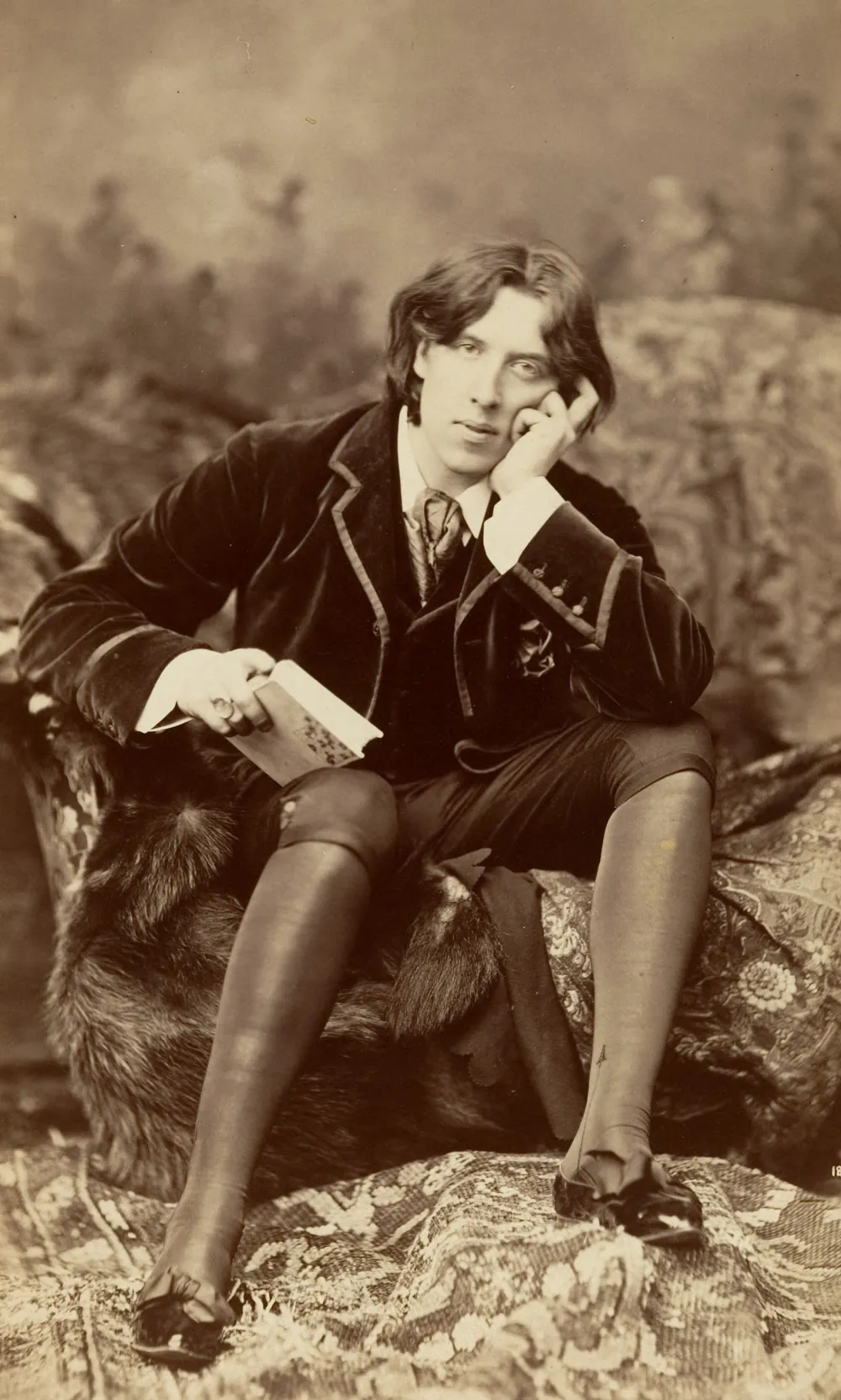
Oscar Wilde, photographed by Napoleon Sarony, 1882. Public domain, via Wikimedia Commons.
Oscar Wilde was Britain's leading stage wit, whose society comedies Lady Windermere's Fan (1892) and A Woman of No Importance (1893) had led to An Ideal Husband and The Importance of Being Earnest both running in the West End in 1895, when his criminal-libel suit against the Marquess of Queensberry collapsed into his own prosecution and conviction for "gross indecency with other males" and a sentence of two years' hard labor. The Importance of Being Earnest was withdrawn after 86 performances as the scandal broke. His downfall became theater's foundational queer-martyr narrative, and the subject of later plays such as Moisés Kaufman's Gross Indecency (1997). VerifiedWilde used no modern identity vocabulary
The same decades saw queerness put on trial again in New York. Sholem Asch's The God of Vengeance, set in a Jewish brothel and depicting a relationship between two women, Rivkele and Manke, moved to Broadway's Apollo Theatre on February 19, 1923; the entire cast, the producer Harry Weinberger, and a theater owner were indicted and convicted on obscenity charges, and the run was cut short on March 6, 1923. It is widely described as containing the first lesbian love scene on a Broadway stage, a claim scholars corroborate while debating exactly how it was staged. Verified"first lesbian scene": corroborated, staging debated
Four years later, Édouard Bourdet's The Captive, about a woman drawn to another woman, was raided mid-performance on February 9, 1927: police walked onstage during Act II and arrested the leads, Basil Rathbone and Helen Menken, part of a coordinated crackdown that also hit Mae West's Sex. That campaign fed directly into the law in the next chapter. Verified
Sources: Britannica on Wilde; EBSCO, HowlRound, and Yale News on The God of Vengeance; Wikipedia and EBSCO on The Captive.
Chapter II
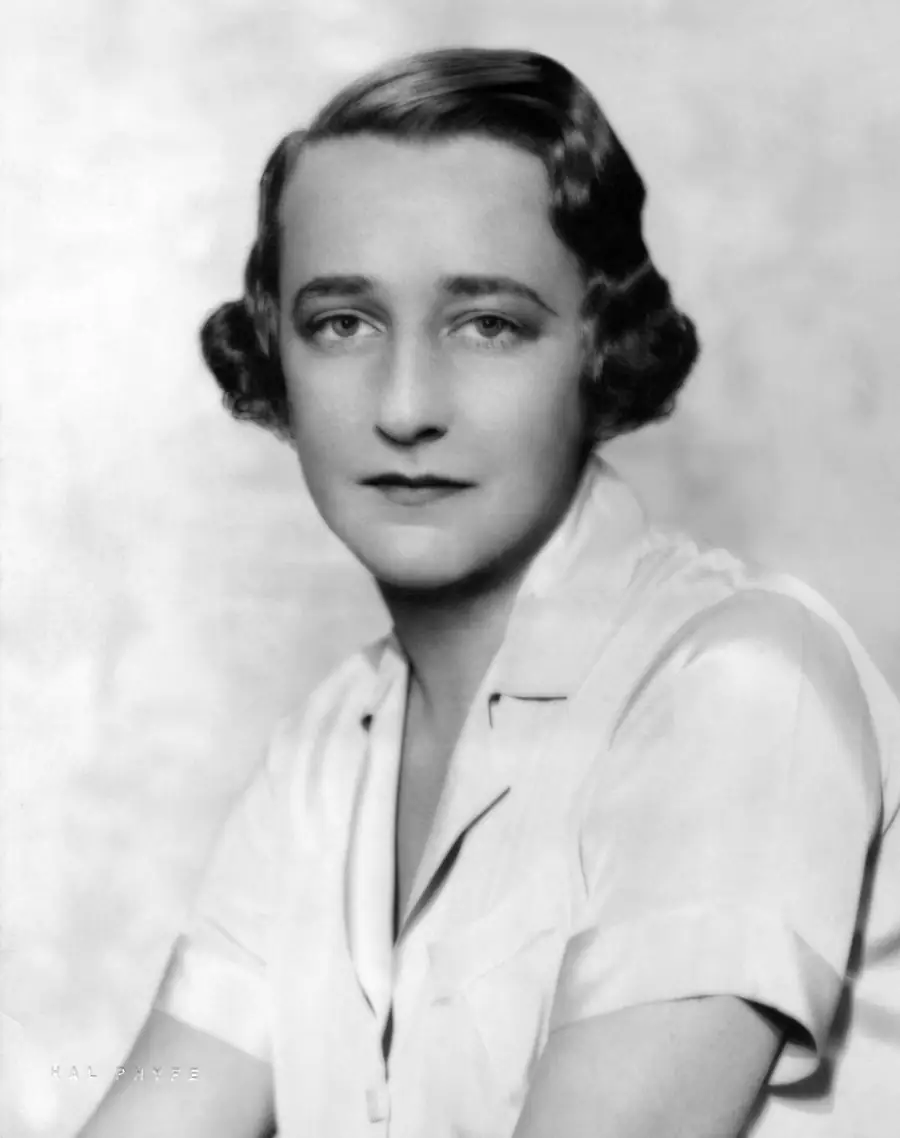
Lillian Hellman in 1935, whose The Children's Hour was banned in Boston, Chicago, and London for its lesbian theme. The exhibit credits Hellman as an ally-author. Photo by Hal Phyfe, from The Stage magazine, March 1935. Public domain, via Wikimedia Commons.. Public domain.
The Padlock Law (1927–1967)
For forty years, it was literally illegal to put gay or lesbian life on a New York stage. This is the law that pushed queerness into subtext, and the people who fought it.
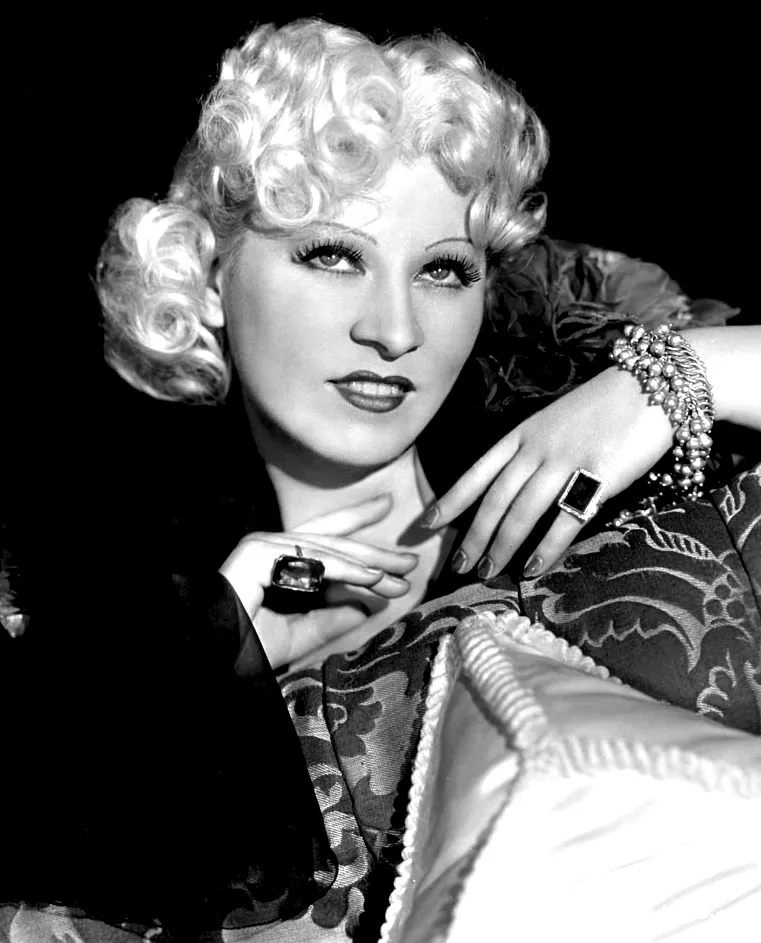
Mae West, 1936 (Paramount Pictures). Public domain, via Wikimedia Commons. West was a straight ally-author.
After the 1927 raids, New York enacted the Wales Padlock Law, sponsored by State Senator B. Roger Wales, which amended the state obscenity code to bar any play "depicting or dealing with the subject of sex degeneracy, or sex perversion", that is, homosexuality, and let authorities padlock a convicted theater for a year. It remained in effect until 1967, and sources describe it as triggering roughly four decades of intense self-censorship around gay and lesbian themes in American theater. This law is the legal backbone of the "coded era," and the reason mid-century queerness onstage went underground into subtext. Verified"forty years of self-censorship": interpretive summary
Mae West, a straight woman who became a gay-cultural icon, pushed against it directly: she wrote and produced plays with openly gay and drag characters, The Drag (1927) featured female impersonators and was kept off Broadway amid the crackdown, and she later mounted what sources describe as the first legal challenge to the Padlock Law, a case that ended in a hung jury and dismissal. Lillian Hellman's The Children's Hour (1934), about two women whose lives are destroyed by a student's accusation of a lesbian affair, was a Broadway success but was banned outright in Boston (by mayoral decree on December 14, 1935), Chicago, and London, and was passed over for the Pulitzer Prize, a snub widely attributed to its theme. VerifiedWest & Hellman: ally-authors, not claimed as LGBTQ+
The amendment banned "sex degeneracy, or sex perversion" from the stage. For forty years, the only way to be queer on Broadway was to be unspoken.
On the Wales Padlock Law, 1927–1967
Sources: EBSCO Research Starters ("Wales Padlock Law Censors Risqué Theater") and the NYC LGBT Historic Sites Project; Handout zine on The Drag; Wikipedia and the Jewish Women's Archive on The Children's Hour. The exact titling of The Drag / Pleasure Man and the date of West's challenge vary across sources and are flagged for confirmation.
Chapter III
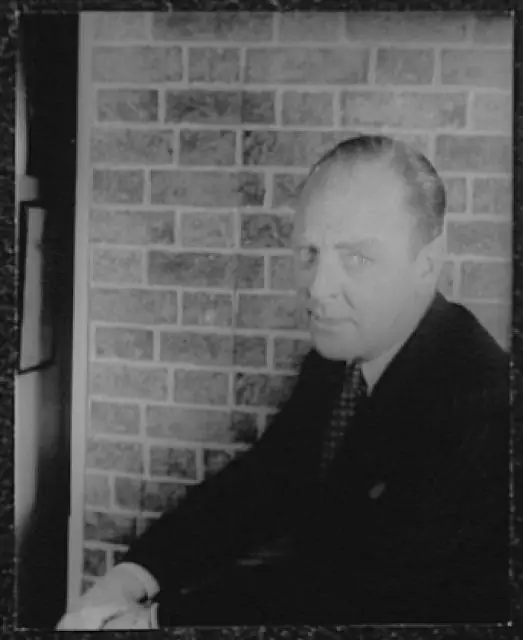
William Inge, photographed in 1954, the major mid-century dramatist whose work foregrounded repressed desire and small-town longing. Photo by Carl Van Vechten, 1954. Library of Congress, via Wikimedia Commons. Public domain. (Van Vechten estate asks the image not be cropped or colorized.). Public domain.
The closeted mid-century (1940s–1960s)
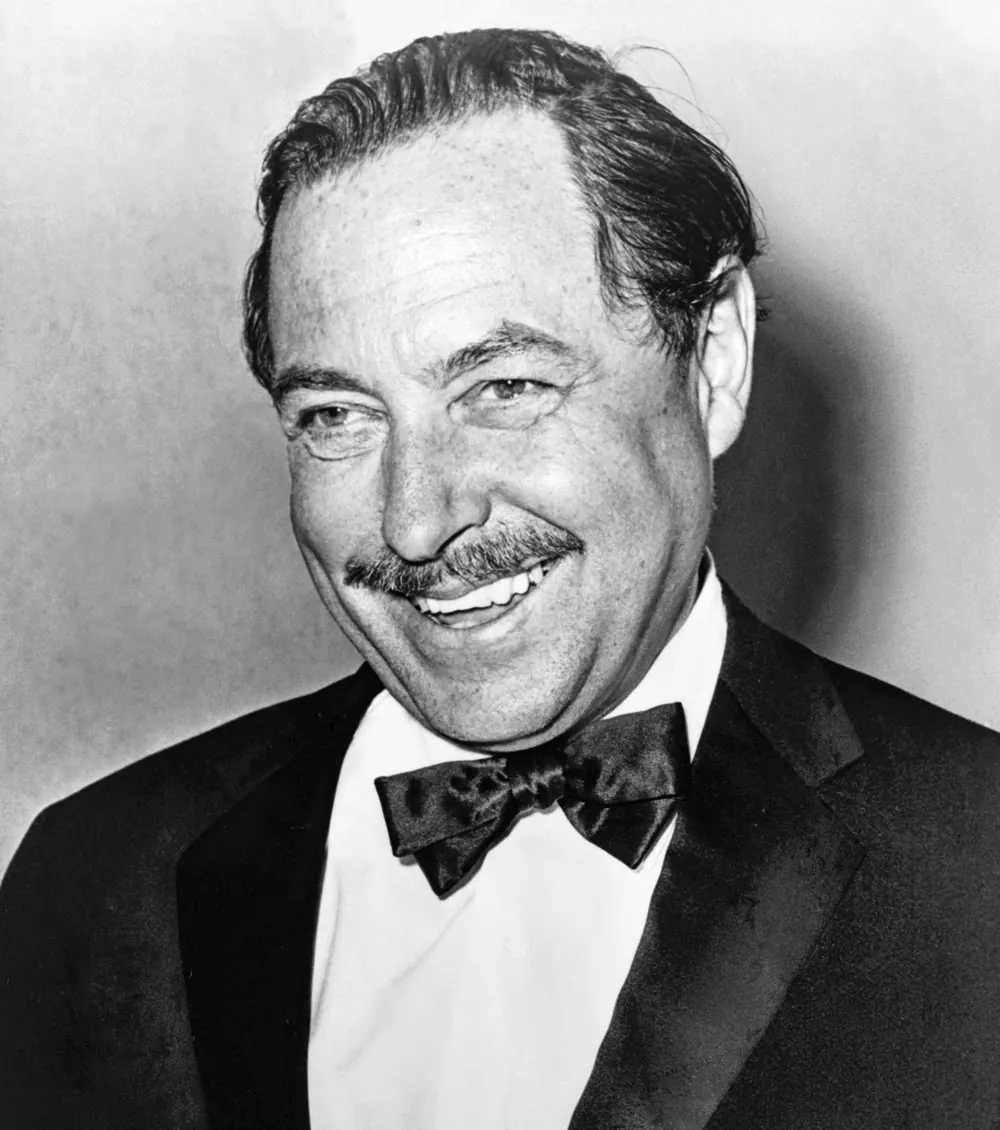
Tennessee Williams, photo by Orlando Fernandez, 1965 (New York World-Telegram). Public domain, via Wikimedia Commons.
With explicit homosexuality banned onstage by the Padlock Law and politically dangerous in the McCarthy era, Tennessee Williams, a gay man, embedded queerness in code across his greatest plays, from The Glass Menagerie (1944–45) onward: the offstage Allan Grey in A Streetcar Named Desire (1947), Skipper in Cat on a Hot Tin Roof (1955), Sebastian in Suddenly, Last Summer (1958), and protagonists of fragility and outsiderness that gay audiences read as their own. He remained publicly closeted until coming out on The David Frost Show in 1970, by which point his sexuality was an open secret, and is widely described as the preeminent queer playwright of the twentieth century. Verified
His friend and contemporary William Inge, a major mid-century dramatist whose work ran from Come Back, Little Sheba (1950) through Picnic (the 1953 Pulitzer winner), Bus Stop (1955), and The Dark at the Top of the Stairs (1957) to the Oscar-winning screenplay Splendor in the Grass (1961), was a closeted gay man whose plays foreground repressed desire and small-town longing. We flag honestly that our research surfaced far less public sourcing for Inge's coding than for Williams's, and we want a dedicated biographical source before asserting his self-identification in print, recording that thinness as a finding. Corroborated · dedicated source to confirm
Then the silence broke. The Boys in the Band (Mart Crowley, 1968) premiered Off-Broadway at Theater Four on April 14, 1968, a year before Stonewall, and ran 1,001 performances. It is generally considered the first commercially successful play to depict gay men's lives unapologetically, men talking about their sex lives, dancing, kissing, rather than as doomed "deviants" killed off in the final act. The production reportedly struggled to cast actors willing to play gay characters, and was championed by Edward Albee and Richard Barr. Verified
Sources: Gay & Lesbian Review and StageCulture on Williams's coding; Chicago On Stage on the Williams–Inge friendship (a dedicated Inge source flagged); Wikipedia, Encyclopedia.com, and CBS News on The Boys in the Band.
Chapter IV
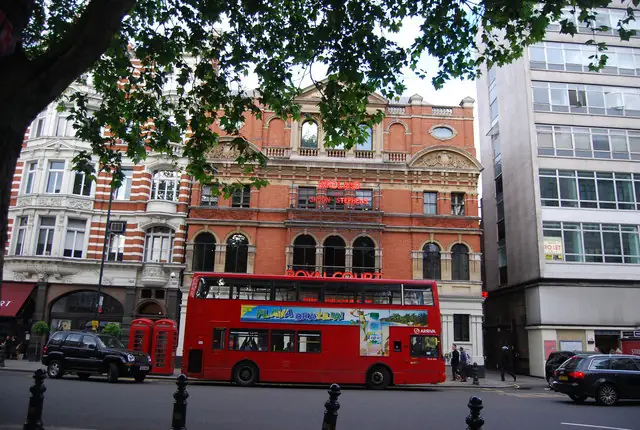
The Royal Court Theatre on Sloane Square, London, where Caryl Churchill's Cloud Nine premiered in 1979. Photo by N Chadwick, 2014, geograph.org.uk, CC BY-SA 2.0, via Wikimedia Commons.. CC BY-SA 2.0.
Gay liberation onstage (1970s–early 1980s)
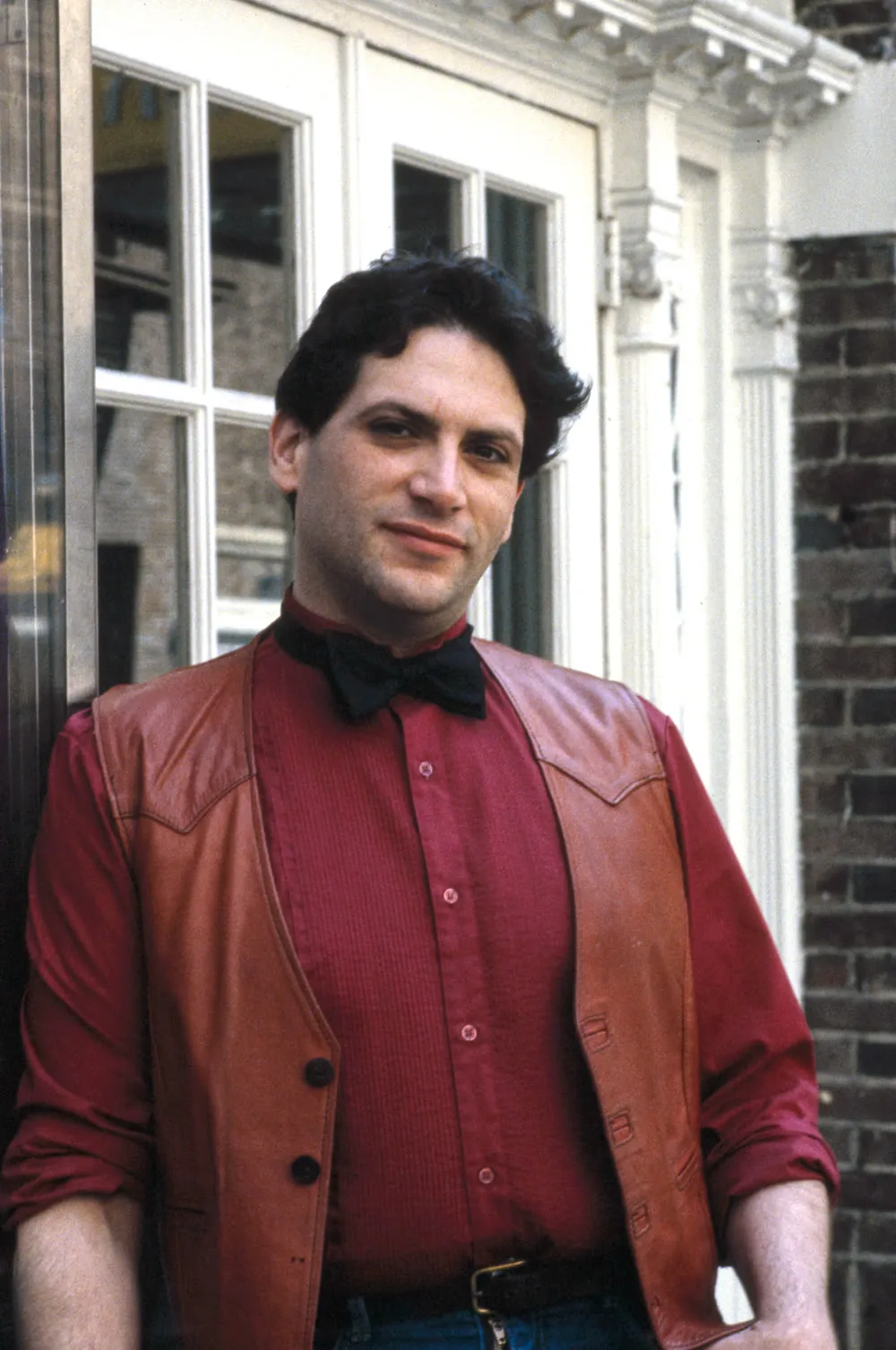
Harvey Fierstein, photo by Bernard Gotfryd. Public domain, via Wikimedia Commons.
Caryl Churchill'sCloud Nine (Royal Court, 1979; New York, 1981) used cross-gender and cross-race casting and a non-linear two-act time jump to interrogate the entanglement of gender, sexuality, power, and British colonialism, becoming a foundational text of queer and feminist theater. Martin Sherman'sBent (1979) brought the persecution of gay men under the Nazis, and the concentration-camp pink triangle, to mainstream audiences, with Ian McKellen as Max in the West End, a role widely credited as part of his own path to public advocacy, Richard Gere as Max on Broadway, and Clive Owen in the 1997 film. Verified
Harvey Fierstein, an openly gay writer and performer, created Arnold Beckoff, an effeminate gay drag performer longing for love and family, in Torch Song Trilogy, which opened on Broadway on June 10, 1982, ran 1,222 performances, and won 1983 Tony Awards for Best Play and Best Actor, a rare crossover hit with gay and straight audiences alike. He then wrote the book for the musical La Cage aux Folles (1983, with songs by Jerry Herman), which won the 1984 Tony for Best Musical and whose anthem "I Am What I Am" became a queer standard. VerifiedLiving · public facts only
Sources: Wikipedia and The Theatre Times on Cloud Nine; BroadwayBox and Wikipedia on Bent; Wikipedia, the Tony Awards, and EBSCO on Torch Song Trilogy and La Cage aux Folles.
Chapter V
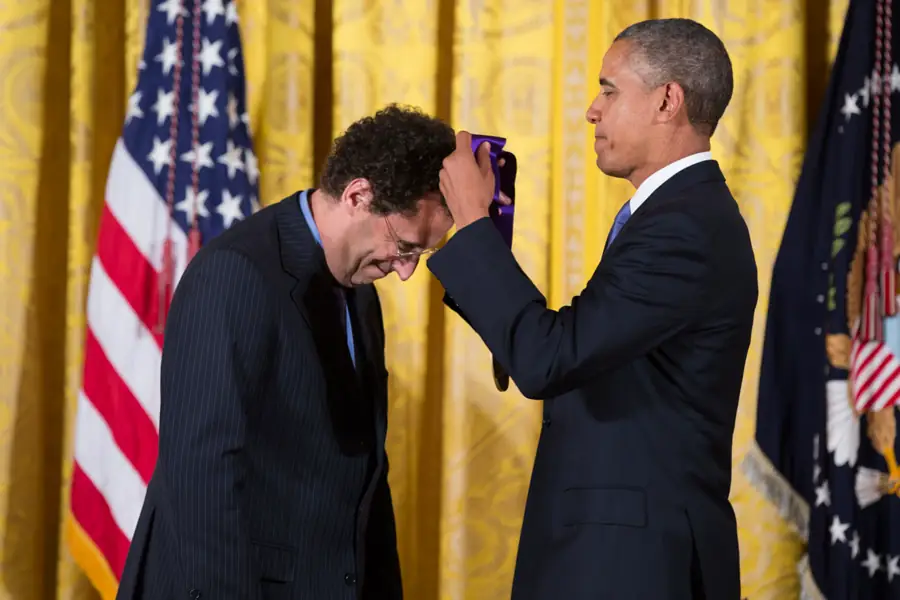
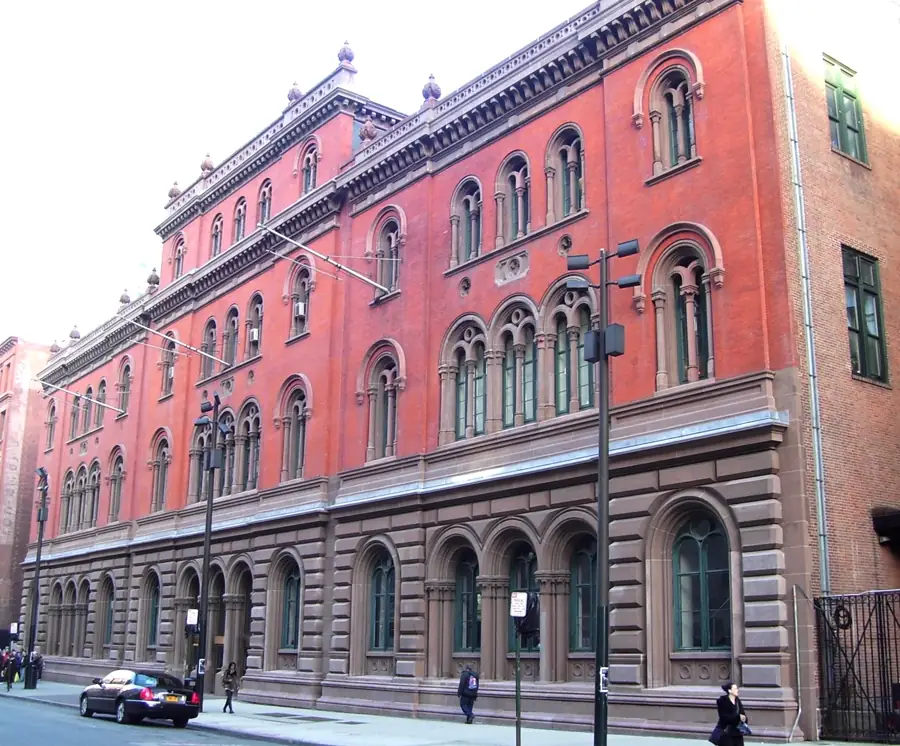
Playwright Tony Kushner receives a National Medal of Arts in 2013. His Angels in America won the 1993 Pulitzer Prize for Drama. Official White House photo by Pete Souza, 2013. Public domain, via Wikimedia Commons.. Public domain.The Public Theater in the former Astor Library on Lafayette Street, where Larry Kramer's The Normal Heart opened in 1985. Photo by Beyond My Ken, 2011, CC BY-SA 4.0, via Wikimedia Commons.. CC BY-SA 4.0.
The AIDS era onstage (1985–1996)
As the epidemic raged, the theater became an alarm bell, a memorial, and, with one seven-hour epic, the defining American drama of its time.
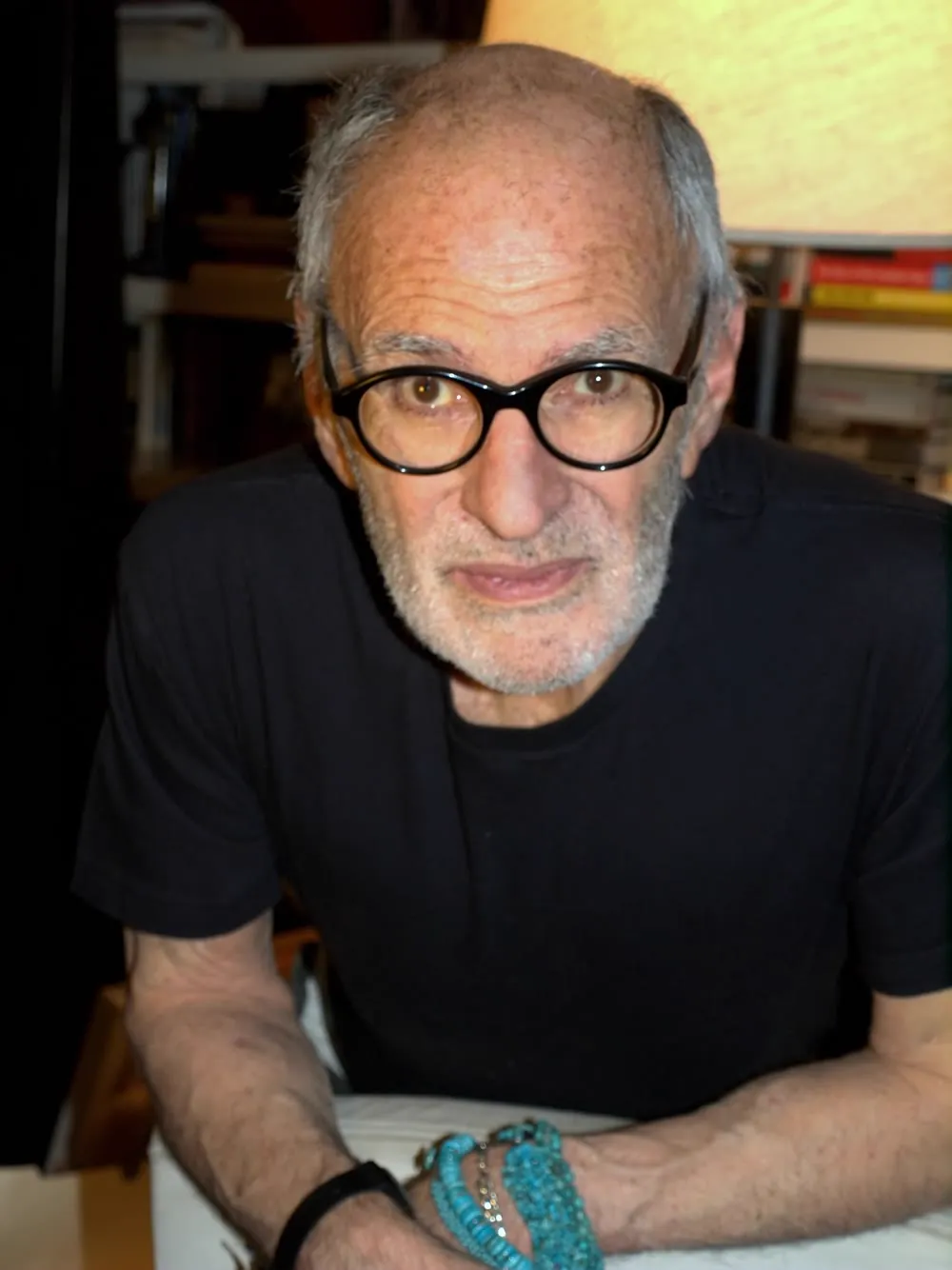
Larry Kramer, 2010. Photo by David Shankbone, CC BY 2.0, via Wikimedia Commons.
William M. Hoffman's As Is and Larry Kramer'sThe Normal Heart, both 1985, were among the first AIDS plays to reach New York's major stages; Hoffman's opened while Kramer's was in rehearsal. The Normal Heart opened Off-Broadway at the Public Theater on April 21, 1985 and ran 294 performances, described at the time as the longest-running play in the Public's history; Kramer, a founder of GMHC and later ACT UP, channeled his fury at governmental and communal inaction into a largely autobiographical drama (protagonist Ned Weeks). Its 2011 Broadway revival won the Tony for Best Revival of a Play. Verified
Tony Kushner'sAngels in America, a roughly seven-hour, two-part "Gay Fantasia on National Themes" interweaving AIDS, Reagan-era politics, Mormonism, and Roy Cohn, won the 1993 Pulitzer Prize for Drama (Part One, Millennium Approaches) and consecutive Tony Awards for Best Play in 1993 and 1994, and is widely regarded as the defining American play of the AIDS era. Jonathan Larson'sRent (1996), loosely based on Puccini's La bohème, began Off-Broadway performances on January 26, 1996, the morning after Larson died suddenly of an aortic dissection, transferred to Broadway that April, and won the 1996 Pulitzer Prize for Drama and the Tony for Best Musical (four Tony wins in all), bringing a queer-inclusive ensemble, including the drag performer Angel and the couple Maureen and Joanne, and the epidemic to a mass audience. VerifiedLarson documented as straight; author of a queer-inclusive work
In memory
Larry Kramer · Jonathan Larson
Whose work carried the crisis onto the stage
Sources: Playbill on As Is; Wikipedia and Biography.com on Kramer and The Normal Heart; Wikipedia, the Pulitzer Prizes, and EBSCO on Angels in America; Wikipedia, Britannica, and Playbill on Rent.
Chapter VI
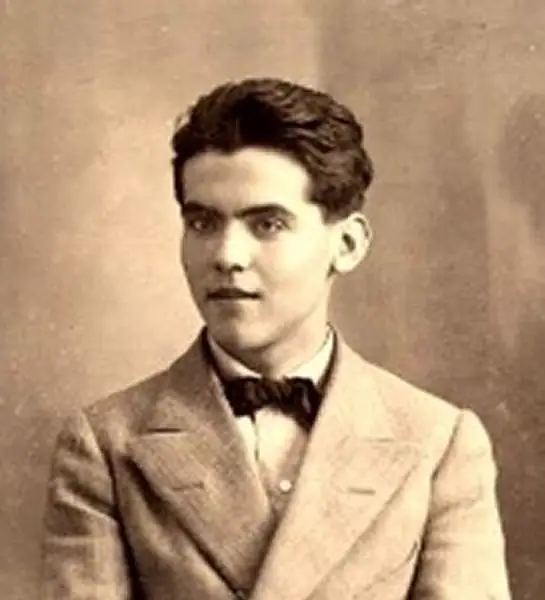
Federico Garcia Lorca in 1914, the Spanish poet and dramatist whose plays explored desire and repression and who was murdered in 1936. Anonymous photograph, 1914, University of Granada student file. Public domain, via Wikimedia Commons.. Public domain.
Global reach & the ballroom lineage
David Henry Hwang'sM. Butterfly opened on Broadway on March 20, 1988, inspired by the real relationship between French diplomat Bernard Boursicot and Beijing opera performer Shi Pei Pu and refracting Puccini's Madama Butterfly. Interrogating Orientalism, gender performance, and the construction of desire, it won the 1988 Tony Award for Best Play, with B.D. Wong winning for Best Featured Actor, a landmark of Asian-American and gender-questioning theater. Verified
A precision flag, and a duty of care
Paris Is Burning (1990, dir. Jennie Livingston) is a documentary film, not a play: it chronicles Harlem's drag-ball and voguing "houses" and the people in them, Dorian Corey, Willi Ninja, Venus Xtravaganza, several of them poor, Black or Latinx, and trans. We include it as the documentary root of a performance lineage, and we carry its critical context honestly: there is lasting debate over how its subjects were represented, and Venus Xtravaganza was murdered during filming. That lineage reached the stage with Cats: The Jellicle Ball (2024, PAC NYC; co-directed by Bill Rauch and Zhailon Levingston), which reconceives the musical as a queer ballroom competition with cast members associated with FX's Pose. Recent; run dates to re-verify
An honest gap: our research is strong on British and American theater and on Asian-American work, but it did not surface adequately sourced records for queer theater traditions in Latin America, continental Europe, Africa, and South and Southeast Asia. We record that as a finding and a priority, and we will not let an Anglo-American canon stand in for the world. Coverage gap · finding
Sources: Wikipedia, Britannica, and Playbill on M. Butterfly; Wikipedia and the Criterion Collection on Paris Is Burning; Broadway.com and Broadway News on Cats: The Jellicle Ball.
Chapter VII
Center stage today (2015– )
The themes a 1927 law tried to padlock off the stage now win theater's highest honors, and they do it across a widening range of race, gender, and form.
Fun Home (Jeanine Tesori and Lisa Kron, 2015), adapted from Alison Bechdel's 2006 graphic memoir, dramatizes a young woman's discovery of her own lesbianism alongside her relationship with her closeted gay father. It won the 2015 Tony for Best Musical, the first Best Musical centered on a lesbian protagonist, and Tesori and Kron became the first all-female writing team to win the Tony for Best Original Score. Indecent (Paula Vogel, 2015/2017) recounts the troupe behind The God of Vengeance and the 1923 obscenity prosecution from Chapter I, reclaiming the suppressed lesbian love scene as a point of pride, from an openly lesbian playwright. Verified
The Inheritance (Matthew López, London 2018; Broadway 2019), inspired by E.M. Forster's Howards End, follows three generations of gay men reckoning with the legacy of AIDS, and won four Tonys including the 2020 Best Play; López was the first Latino playwright to win it. A Strange Loop (Michael R. Jackson), about "Usher," a fat, Black, queer musical-theater writer writing a musical about a fat, Black, queer musical-theater writer, won the 2020 Pulitzer Prize for Drama, the first musical to win it without a Broadway run and the first by a Black writer, then the 2022 Tony for Best Musical and Best Book. VerifiedLiving writers · public facts only
1927
a law banned "sex perversion" from the New York stage
2015
a lesbian-led musical wins Best Musical
2020
a Black queer musical wins the Pulitzer Prize for Drama
Sources: Wikipedia, Variety, and CBS on Fun Home; Wikipedia and American Theatre on Indecent; Wikipedia, the Tony Awards, and Playbill on The Inheritance; Wikipedia, the Pulitzer Prizes, and the Tony Awards on A Strange Loop.
Chapter VIII
The through-line
Step back, and a single shape emerges from the whole century: suppression, code, visibility, mainstream, multiplicity.
Censorship law, the Wales Padlock Law and the Boston, Chicago, and London bans, forced queerness into subtext (Williams, Inge). That code broke open just before Stonewall with The Boys in the Band (1968), found liberation-era voices in Churchill, Sherman, and Fierstein, was galvanized by AIDS into Kramer, Kushner, and Larson, then globalized and complicated identity with M. Butterfly, drew on the ballroom and drag lineages, and arrived at a Pulitzer- and Tony-canonized multiplicity of race, gender, and form with Fun Home, The Inheritance, and A Strange Loop.
Suppression → code → visibility → mainstream → multiplicity. The same stage, a century apart.
The arc of queer theater
It is a hopeful arc, and we resist making it too tidy. The same century that produced these triumphs also has its silences, named in the next chapter, and the gains were neither inevitable nor evenly shared. The arc is real; so are its gaps. Synthesis of the sourced record above
Chapter IX
How we know, and what we are still confirming
Allies named as alliesMethod
Mae West, Lillian Hellman, and Jonathan Larson wrote landmark queer works but are documented as straight; we credit them as authors, not claim them.
A few facts to pin before printVerifying
A dedicated biographical source for William Inge's sexuality; the exact transfer dates for As Is; the final run dates and venue for Cats: The Jellicle Ball; and the titling of Mae West's The Drag / Pleasure Man and the date of her legal challenge.
Production images need licensingRights
Posters and production photographs are held by producers and photographers; stills from Paris Is Burning are rights-held by Criterion. The portraits here are public-domain or Creative Commons, credited; everything else is described in text until cleared.
A dedicated global pass is owedFinding
Non-Anglophone queer theater, Latin American, continental European, African, South and Southeast Asian, is under-sourced here and flagged for its own research wave.
If you have a piece of this
A playbill, a production memory, a local queer theater history? Help us keep it, sourced and with care.
Key sources: Britannica; Wikipedia; the Pulitzer Prizes; the Tony Awards; Playbill; American Theatre; EBSCO Research Starters; the Jewish Women's Archive; the NYC LGBT Historic Sites Project. Full citations are held in the museum's research record.

 Museum